Andrew Ross Sorkin
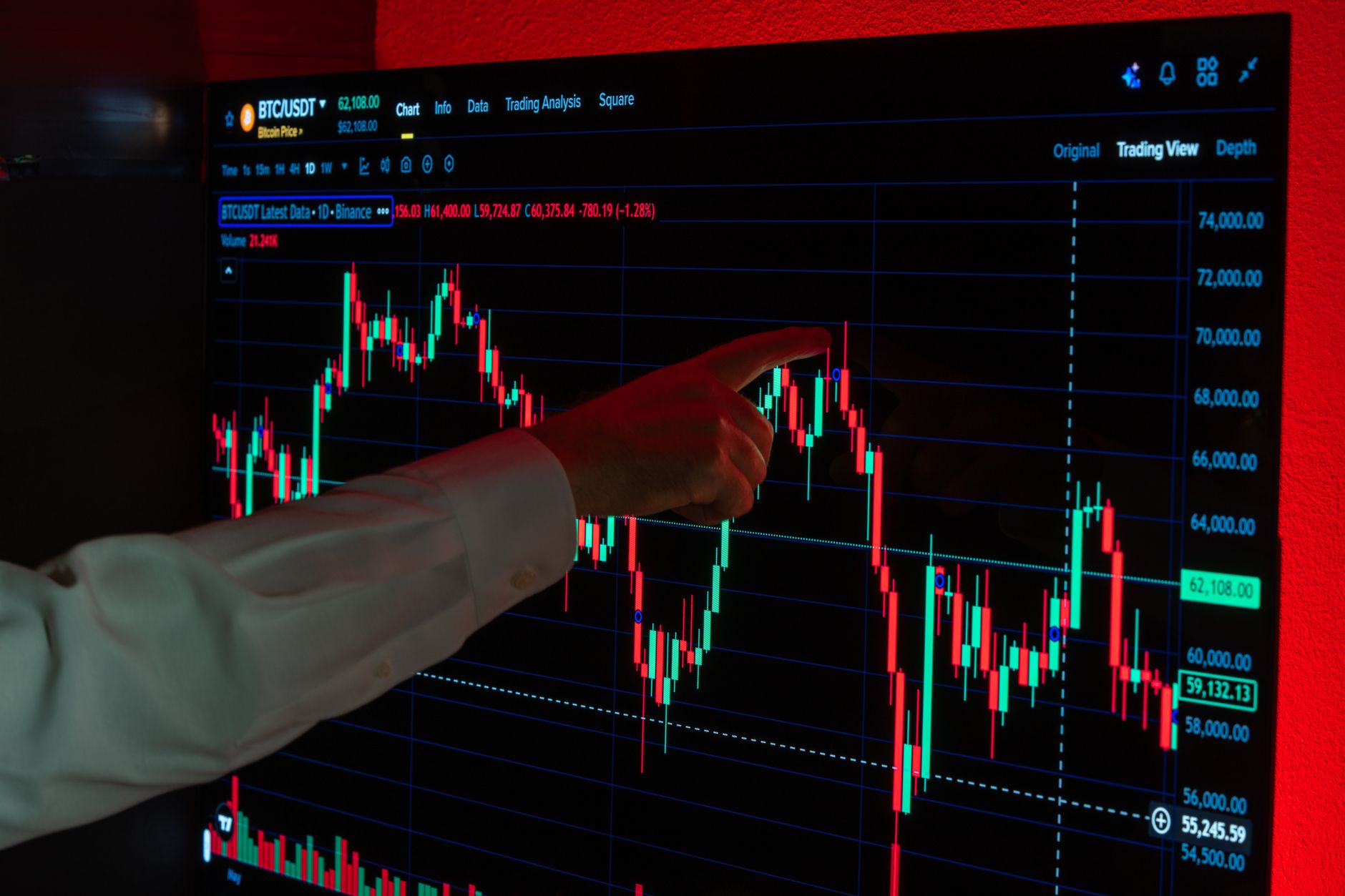
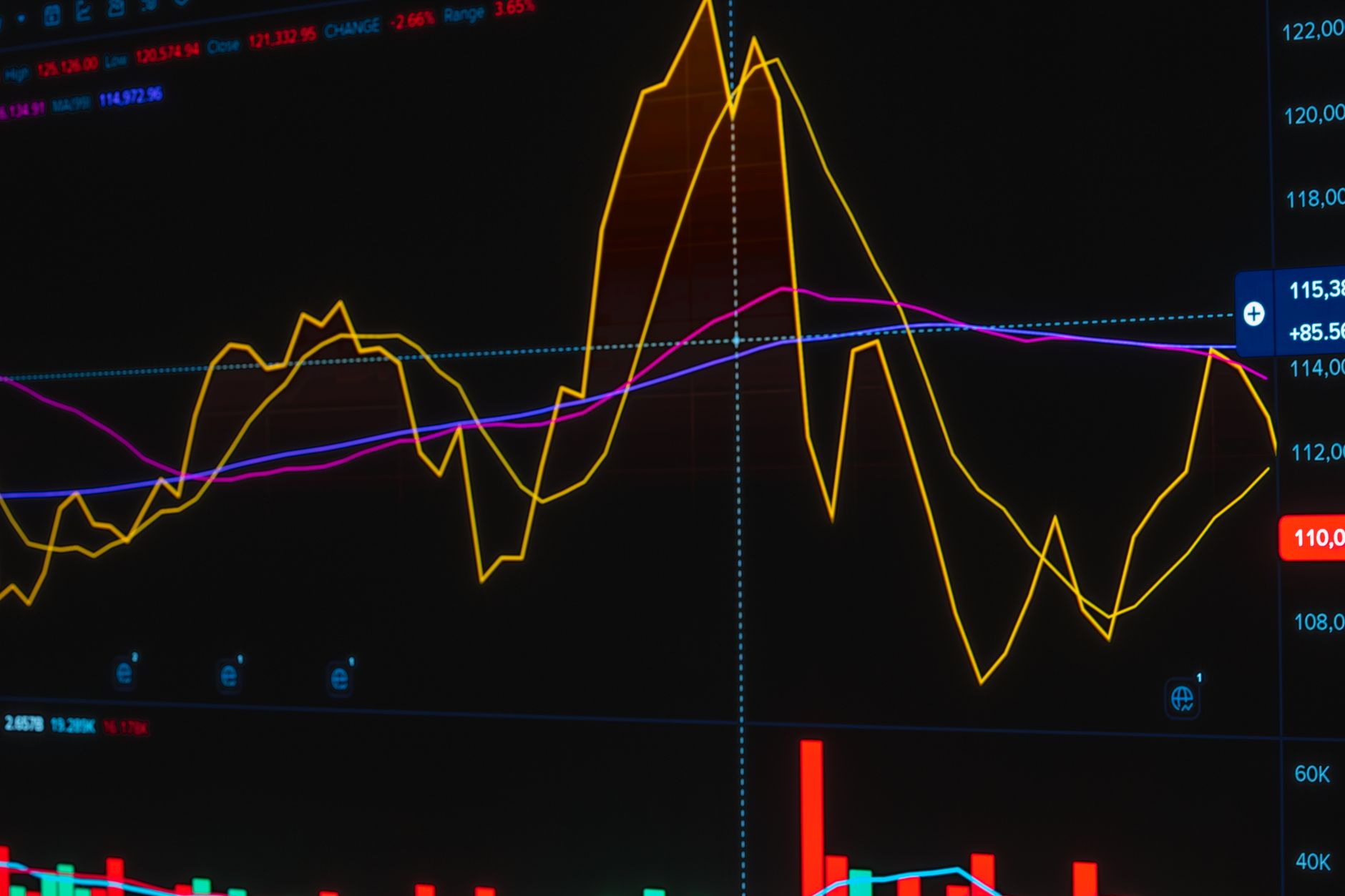
Semiconductor exchange-traded funds crossed a closely watched technical threshold on Friday, July 17, as sustained selling in chipmakers pushed the industry more than 20% below its June peak. The decline marked an abrupt reversal for a sector that had been one of the strongest areas of the global equity market during the first half of 2026, powered by expectations of continued investment in artificial-intelligence infrastructure, advanced memory and semiconductor manufacturing equipment.
The PHLX Semiconductor Sector Index, known by its SOX ticker, ended Friday at 11,673.89, down 1.63% for the session and 20.2% below its record closing level reached on June 22. A decline of at least 20% from a significant recent high is commonly described as a bear market. The index briefly fell as much as 5.7% during Friday’s session before recovering much of the intraday loss, illustrating both the intensity of the selling and the willingness of some investors to buy after the initial drop.
The drawdown was also visible in the largest semiconductor ETFs. The iShares Semiconductor ETF, which trades under the ticker SOXX, closed at $521.81 on July 17. Its reported 52-week high was $655.22, placing the fund approximately 20.4% below that level. SOXX’s net asset value declined 1.68% for the day to $521.28. The figures placed the ETF itself in technical bear-market territory, rather than merely reflecting a decline in a related industry benchmark.
SOXX remains a major component of the thematic ETF market. The fund reported net assets of approximately $45.06 billion as of July 17 and holds 30 securities. Its benchmark is the NYSE Semiconductor Index, which provides exposure across semiconductor designers, manufacturers and equipment suppliers. About 78.3% of the portfolio was classified as semiconductor exposure and 21.6% as semiconductor-equipment exposure, according to issuer data.
Trading activity accelerated during the decline. SOXX changed hands approximately 15.6 million times on July 17, compared with a 30-day average of about 10.3 million shares. That placed the day’s volume roughly 50% above the recent average, indicating heightened portfolio repositioning and short-term trading. High ETF volume does not, by itself, establish that investors withdrew money from the fund, because ETF shares can trade repeatedly between buyers and sellers without requiring the creation or redemption of underlying shares.
The distinction is important during volatile markets. Secondary-market volume measures trading in ETF shares, while primary-market flows measure whether authorized participants create new shares or redeem existing ones. A semiconductor fund can experience heavy selling pressure and exceptionally high turnover without recording an equivalent amount of net outflows. Conversely, persistent redemptions would require market makers to deliver ETF shares to the issuer in exchange for baskets of securities or cash, potentially transmitting allocation changes more directly to underlying stocks.
The VanEck Semiconductor ETF, or SMH, provides another measure of the scale of investor exposure to the theme. SMH reported $67.42 billion in assets and a net asset value of $556.28 as of July 17. Despite the recent retreat, the fund remained up 54.48% for the year, underscoring that the bear-market designation reflects a drop from a recent peak rather than a negative return for 2026.
That combination of a deep drawdown and a substantial year-to-date gain illustrates the exceptional path semiconductor shares have taken. Chip stocks advanced rapidly during the spring as investors sought exposure to companies supplying processors, networking components, memory, fabrication capacity and manufacturing equipment for AI data centers. The gains expanded beyond the most established market leaders, increasing valuations across several parts of the semiconductor supply chain.
By the end of June, SOXX had produced a year-to-date net-asset-value return of 113%, while SMH’s return through the same period exceeded 82%. Those gains created a high starting point for the July correction. Even after the subsequent decline, many chip companies and related funds remained well above their levels at the beginning of the year. The speed of the retreat nevertheless demonstrated the downside risk that can follow an unusually concentrated momentum rally.

ETF construction has become increasingly relevant as investors assess that risk. SMH held 26 securities as of July 16, with Nvidia representing approximately 21% of assets. Taiwan Semiconductor Manufacturing accounted for about 9.2%, followed by Broadcom at 6%, Advanced Micro Devices at 5.6%, ASML at 5.2% and Applied Materials at 5.2%. A large position in Nvidia can amplify gains when the dominant AI-chip supplier rises, but it can also make the fund more sensitive to changes in expectations for a single company.
SOXX offers broader weight distribution across its 30 holdings, although it remains fully exposed to the same industry cycle. Its portfolio characteristics also show the level of risk investors accepted during the rally. The fund reported a three-year standard deviation of 35.47% and an equity beta of 2.00 as of June 30. A beta near 2 indicates that the fund has historically moved much more sharply than the broader equity market, although the relationship can change over time.
Valuation was another vulnerability. SOXX reported a price-to-earnings ratio of 67.7 and a price-to-book ratio of 11.5 as of July 17. Such figures can be influenced by index methodology, differences in constituent profitability and rapidly changing earnings expectations. Even so, elevated valuation multiples leave funds exposed when investors demand greater evidence that future earnings will justify current capital spending and share prices.
The July selloff was broad. Nvidia, Broadcom, AMD, Intel and Micron came under pressure before the opening bell on Friday, while Arm and several smaller high-growth chip companies recorded sharp intraday declines. Earlier in the retreat, Marvell Technology had fallen nearly 40% from its June level, while Micron had declined about 30% from its recent high. All 30 members of the SOX index had traded below their June 22 levels by the time the sector approached the bear-market threshold.
The weakness also extended outside the United States. Shares of chipmakers and equipment suppliers in Asia and Europe fell as investors reassessed the pace and profitability of global AI investment. Japanese, South Korean, Taiwanese and European semiconductor companies participate in the same interconnected supply chain, meaning concerns about memory pricing, fabrication spending or data-center demand can move multiple regional markets simultaneously.
Several pressures converged during the decline. Investors questioned whether enormous AI infrastructure commitments would generate acceptable returns for cloud providers and their customers. Rising memory costs created concern about margins for hardware producers, while competition from lower-cost artificial-intelligence models raised the possibility that future computing demand might not grow as quickly as the most optimistic forecasts assumed.
Broader market conditions added to the pressure. Technology shares weakened as investors rotated toward other sectors, while renewed geopolitical tensions contributed to higher energy prices and inflation concerns. Rising oil prices can place upward pressure on interest-rate expectations, which is particularly relevant to high-valuation growth stocks because their prices depend heavily on profits expected many years into the future.
The correction followed an unusually strong second quarter. Bank of America analyst Vivek Arya described the retreat as a possible “summer reset” rather than a fundamental reversal, noting that semiconductor shares had historically experienced periods of third-quarter underperformance. The index’s roughly 80% second-quarter advance had also made some consolidation more likely, even without a material deterioration in industry demand.
Supporters of the sector continue to point to data-center construction, strong demand for advanced memory, expansion in semiconductor manufacturing equipment and the limited availability of leading-edge fabrication capacity. Cloud companies have not broadly announced reductions in their AI spending plans, and the industry’s largest customers are still expected to commit substantial capital to processors, networking systems and power-intensive computing infrastructure.

That argument does not eliminate the risk facing ETF holders. Chip funds combine multiple businesses with different economic exposures. Nvidia and AMD are closely tied to accelerators and AI computing. Micron and other memory producers are influenced by pricing cycles. Applied Materials, Lam Research and KLA depend partly on fabrication-equipment budgets. Texas Instruments, NXP Semiconductors and Analog Devices have greater exposure to industrial, automotive and analog-chip demand.
A sectorwide ETF can therefore decline even when the fundamental outlook for one portion of the industry remains strong. During the July retreat, weakness in AI leaders, memory producers and equipment companies reinforced one another. Index-linked funds then reflected the combined movement, creating a broad decline that could not be avoided through security selection within the same passive portfolio.
Alternative semiconductor ETF structures may produce different results. Market-cap-weighted funds generally give the largest companies the greatest influence. Modified weighting systems impose limits but still preserve significant exposure to industry leaders. Equal-weight funds allocate more evenly across constituents, reducing dependence on Nvidia and other megacapitalization stocks but increasing exposure to smaller companies that may have weaker balance sheets, lower liquidity or more cyclical revenue.
Investors may also distinguish between broad semiconductor funds and narrower products focused on fabless designers, memory chips, equipment manufacturers or options-based income strategies. Narrow funds can provide more precise exposure, but they can also magnify a specific industry shock. A memory-focused portfolio, for example, may outperform when pricing improves but become especially volatile when traders anticipate oversupply or weaker server demand.
The speed of the July move raises practical portfolio questions. Investors who used semiconductor ETFs as tactical momentum positions may respond differently from those treating them as long-term allocations. Short-term investors may focus on trend signals, moving averages and relative strength. Longer-term holders are more likely to examine earnings revisions, capital-expenditure plans and whether the selloff has brought valuations closer to sustainable levels.
The next major test will come from earnings reports and guidance issued by large technology companies and semiconductor manufacturers. Investors will closely examine spending by cloud providers, the expected deployment of AI accelerators, demand for high-bandwidth memory and the ability of customers to convert infrastructure investment into revenue. Statements from equipment manufacturers will also provide evidence about future fabrication capacity.
ETF flows around those reports will help show whether the July decline was primarily a leveraged trading event, a temporary profit-taking cycle or a more durable shift away from semiconductor exposure. Stabilizing shares accompanied by continued creations would suggest investors are using the drawdown to add exposure. Persistent redemptions, falling prices and weaker earnings estimates would point toward a broader reassessment of the sector’s portfolio role.
For now, the semiconductor ETF bear market is notable for occurring while annual returns remain exceptionally strong. That apparent contradiction reflects how far and how quickly the sector rose before the correction. The decline has removed part of the valuation premium built during the first half, but it has not resolved the central question facing investors: whether the earnings generated by AI and digital-infrastructure spending can ultimately match the scale of capital already committed to the trade.