Andrew Ross Sorkin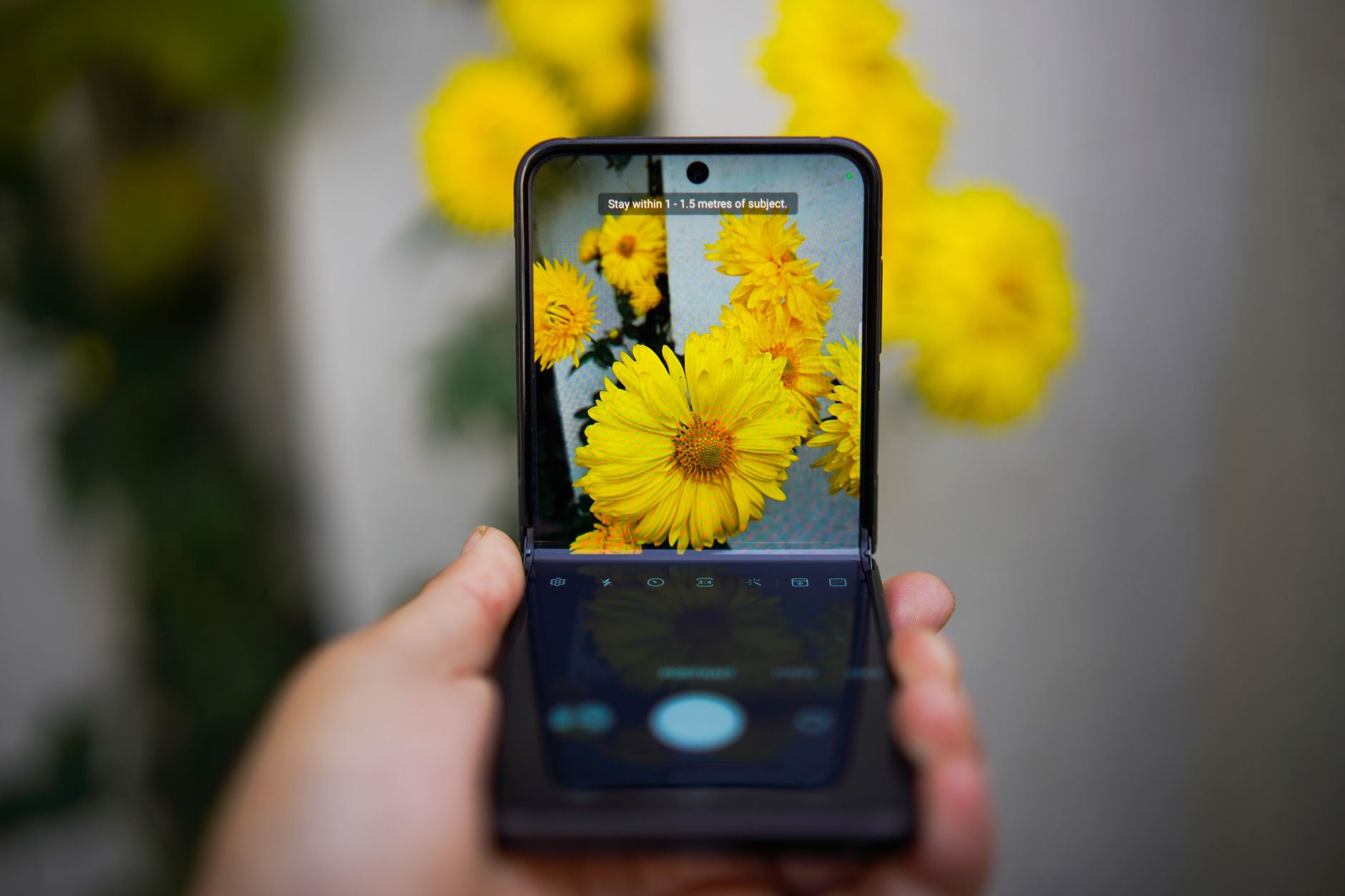
Samsung Electronics has introduced its broadest foldable smartphone portfolio to date, unveiling three Galaxy Z models built around distinct screen formats and a new generation of agentic artificial intelligence. Announced at Galaxy Unpacked in London, the Galaxy Z Fold8 Ultra, Galaxy Z Fold8 and Galaxy Z Flip8 extend Samsung’s effort to turn foldable phones from specialist premium products into a larger, more differentiated hardware category.
The launch marks a significant reorganization of Samsung’s foldable range. The Galaxy Z Fold8 Ultra effectively becomes the direct successor to the company’s previous full-size Fold devices, retaining the large book-style format and emphasizing productivity, cameras and flagship performance. The separately positioned Galaxy Z Fold8 introduces a shorter and wider design intended to make unfolded content consumption feel more natural. The Galaxy Z Flip8 continues the vertically folding format, with Samsung focusing on greater functionality while the handset remains closed.
Samsung’s segmentation strategy reflects a broader challenge facing the foldable market. Early devices were largely defined by the novelty of a flexible display, but manufacturers increasingly need to demonstrate why different folding designs are useful in daily work, entertainment and communication. Samsung is responding by presenting each model as a separate computing experience rather than offering only larger and smaller versions of the same product.
The Galaxy Z Fold8 Ultra sits at the top of the lineup. It has an 8-inch QXGA+ Dynamic AMOLED 2X main screen and a 6.5-inch cover display, both supporting adaptive refresh rates of up to 120Hz. The handset measures 4.1 millimeters thick when unfolded and weighs 215 grams, matching the weight of its predecessor while adding a larger 5,000mAh battery. Samsung describes it as the thinnest Galaxy Z Fold design it has produced.
The Ultra model is powered by Qualcomm’s Snapdragon 8 Elite Gen 5 Mobile Platform for Galaxy, a customized processor that combines upgraded central processing, graphics and neural-processing capabilities. Samsung said the platform provides a 21% increase in neural-processing performance, a 15% improvement in graphics performance and a 16% increase in CPU performance compared with the Galaxy Z Fold7. Those gains are intended to support on-device AI, simultaneous applications, gaming and high-resolution media work.
Samsung has also strengthened the Fold8 Ultra’s camera proposition, an area where foldables have sometimes lagged conventional flagship smartphones. The rear system includes a 200-megapixel wide camera, a new 50-megapixel ultra-wide camera and a 10-megapixel telephoto camera with 3x optical zoom. The main camera can capture high-dynamic-range images at its full resolution, while the ultra-wide sensor supports detailed landscape, group and macro photography.
For video creators, the Fold8 Ultra supports 8K recording using Samsung’s APV codec and includes Cine LUT controls for applying cinematic color profiles. Improved Nightography processing is designed to produce clearer low-light images and footage. The company is pitching the combination of a flagship camera system, a large preview surface and AI editing tools as a mobile workflow that can move from capture to production without requiring a separate tablet or computer.
The device includes a dual-path charging architecture and supports 45-watt wired charging, which Samsung says can restore as much as 67% of the battery in roughly 30 minutes under specified test conditions. It also supports 20-watt wireless charging. An expanded graphite cooling structure is intended to manage heat during sustained AI workloads, gaming and video production. Storage options range from 256 gigabytes to 1 terabyte, with the highest-capacity model including 16 gigabytes of memory.
The regular Galaxy Z Fold8 is a more substantial departure from Samsung’s previous designs. Instead of using the tall, narrow proportions historically associated with book-style foldables, the new model has a 5.5-inch cover display with a 10:16 aspect ratio and a 7.6-inch main display that opens into a 4:3 format. The device measures 4.5 millimeters thick when unfolded and weighs 201 grams, making it Samsung’s lightest Fold-branded handset.
Samsung says the new proportions are optimized for the way consumers switch among different forms of media. The cover screen is intended for messaging, browsing and short-form video, while the unfolded 4:3 display provides a larger canvas for films and games. Rotating the device creates a 3:4 orientation suited to articles, electronic books and websites. The design is effectively an attempt to make the folded device feel less like a narrow remote control and the unfolded device more like a compact reading or entertainment tablet.
The Fold8 uses the same Snapdragon 8 Elite Gen 5 for Galaxy platform as the Ultra and carries a 4,800mAh battery. Samsung estimates more than 26 hours of video playback, though actual endurance will vary with network conditions, display brightness and application use. The model supports 45-watt wired charging, 20-watt wireless charging, Wi-Fi 7, Bluetooth 6.0 and IP48 water and dust resistance.
Its camera configuration is less elaborate than the Ultra’s but remains positioned above many earlier foldables. The Fold8 has a 50-megapixel wide camera and a separate 50-megapixel ultra-wide camera, along with cameras on the cover and main displays. My FanCam, an AI-assisted video tool, allows a user to select a person in recorded footage and automatically reframe the video to keep that subject centered in a chosen aspect ratio. Dual Recording can capture the photographer and the subject at the same time.

The Galaxy Z Flip8 retains the more familiar clamshell format but expands what users can do without opening the phone. It has a 6.9-inch main display and a 4.1-inch Super AMOLED FlexWindow. At 6.1 millimeters thick when unfolded and 180 grams, Samsung describes it as its thinnest and lightest Flip model. The frame and hinge use new high-strength materials intended to improve durability without increasing the device’s size.
The Flip8 is powered by Samsung’s Exynos 2600 processor and includes 12 gigabytes of memory, with 256-gigabyte and 512-gigabyte storage options. Its 4,300mAh battery supports 25-watt wired and 15-watt wireless charging. The rear camera system combines a 50-megapixel wide sensor with a 12-megapixel ultra-wide camera, while a 10-megapixel front camera is available when the phone is open.
Samsung is positioning the FlexWindow as an AI-native interface rather than a secondary notification panel. Users can view schedules, weather, messages, market information, photos and selected applications while the phone remains closed. Now Brief organizes personalized information into cards and can surface suggested actions based on the user’s routines, appointments and interests. Gemini functions can also be activated from the cover display through the side key or natural-language commands.
The Flip8’s camera functions are built around the ability to use the device at different angles. Camcorder Grip provides a more stable one-handed recording position, while a Zoom Rocker offers additional control during filming. Super Steady includes a horizontal-lock feature designed to keep footage level, and Dual Recording can show simultaneous views of the creator and subject. A cover-screen preview lets both people see the framing before and during recording.
Across the three phones, Samsung is emphasizing agentic AI as the software layer that connects the hardware features. Traditional smartphone assistants generally answer questions or perform individual commands. Samsung’s newer approach is intended to recognize context, recommend a sequence of actions and coordinate tasks across applications while leaving important confirmations to the user.
On the Fold8 Ultra, Now Nudge can identify when a task would benefit from multiple applications and automatically propose a Multi Window layout. A message containing dinner plans, for example, could prompt the phone to open the conversation beside the calendar so the user can create an event without repeatedly switching screens. Samsung is using the large foldable display to make the AI’s proposed actions visible and easier to review.
On the Fold8, Samsung demonstrated a more autonomous travel-planning example. A user can share an image of a landmark with Gemini and request a nearby hotel matching particular criteria. The AI can continue searching while the user works in other applications, then return recommendations and request approval for actions that require confirmation. The example illustrates Samsung’s goal of moving mobile AI from information retrieval toward multi-step task execution.
Gemini Notebook is another central productivity feature, particularly on the Fold8 Ultra. Users can add meeting documents, PDFs or audio recordings and generate summaries of the material. The same source information can then be transformed into presentation slides, podcasts, quizzes, visual summaries or other formats. Split-screen drag-and-drop support allows multiple files and images to be added to a project while users review the generated output.
The phones ship with Android 17 and Samsung’s One UI 9 interface. One UI 9 includes an AI Assistant Activity dashboard that provides a centralized record of automations performed by AI services. Users can review completed actions and move directly to the relevant assistant or setting. The dashboard addresses an important governance issue for agentic systems: consumers need to understand what software has done on their behalf, particularly when services can interact with personal communications, schedules and accounts.
Samsung is also expanding privacy warnings to identify potentially unnecessary attempts by applications to obtain background permissions. The company’s Personal Data Engine supports personalized functions, while Knox Enhanced Encrypted Protection creates application-specific encrypted environments. Knox Vault provides a separate, tamper-resistant layer for sensitive information, and Knox Matrix is designed to extend security across connected Galaxy devices.
The privacy framework will be important to the commercial acceptance of agentic AI. The usefulness of proactive assistants depends on access to messages, calendars, location information, media libraries and usage patterns. Samsung is therefore trying to pair deeper personalization with clearer controls, activity records and a combination of on-device and user-controlled cloud processing. Whether consumers understand and trust those controls may be as important as the performance of the AI itself.

The devices also deepen Samsung’s relationship with Google. Buyers receive a six-month Google AI Pro trial, including access to Google’s higher-capability AI models and 5 terabytes of cloud storage. The promotion gives Samsung an immediate pool of advanced AI services for its premium hardware while providing Google with wider distribution for paid Gemini features. It also demonstrates how smartphone competition is increasingly shaped by partnerships among hardware manufacturers, chip suppliers, cloud platforms and AI model developers.
Samsung’s use of Qualcomm processors in both Fold models and its Exynos platform in the Flip8 highlights another strategic balance. Qualcomm supplies the high-performance platform for the most expensive multitasking devices, while Samsung continues to deploy its internally developed silicon in a high-volume premium model. Successful performance and power efficiency from the Exynos 2600 could support Samsung’s semiconductor ambitions and reduce dependence on external application-processor suppliers.
Preorders opened in selected markets on July 22. All three devices are available in Graphite and Cream, while the Fold8 Ultra adds Violet Shadow, the Fold8 adds Lavender and the Flip8 adds Pink. Samsung.com-exclusive options include Green Shadow for the Fold8 Ultra, Pistachio for the Fold8 and Mint for the Flip8. U.S. starting prices have been reported at $2,099.99 for the Fold8 Ultra, $1,899.99 for the Fold8 and $1,199.99 for the Flip8, with general availability scheduled for August 7.
The pricing keeps all three devices firmly within the premium market. Samsung is using trade-in credits, carrier financing and device-protection offers to reduce the immediate cost to consumers, but the Fold models remain considerably more expensive than conventional flagship smartphones. That price structure gives Samsung the potential for stronger revenue per device but also limits the addressable audience unless buyers see a clear productivity or entertainment advantage.
The Fold8 Ultra’s introduction creates an additional tier at the top of the portfolio, allowing Samsung to preserve an expensive flagship for business users, creators and technology enthusiasts. The newly designed Fold8 can then appeal to consumers who want a book-style foldable but find an 8-inch productivity device too large or too formal. The Flip8 remains the lowest-priced entry point and is likely to depend more heavily on design, portability and social-content features.
The launch arrives at a critical point for the foldable industry. Market researchers expect foldable shipments to grow at a double-digit rate in 2026, even as the broader smartphone market remains mature. Samsung is still expected to be a leading supplier, but its share is under pressure from Huawei in China, Motorola in flip-style devices and increasingly sophisticated models from Honor, Oppo and other manufacturers.
A potential foldable iPhone would add another challenge. Apple’s entry could expand awareness of the category, increase component volumes and validate foldable devices for a broader premium audience. It could also place Samsung under greater pressure in markets where Apple has a large installed base. Launching three differentiated devices before that competitive shift gives Samsung an opportunity to reinforce its design leadership, establish new use cases and lock more customers into its ecosystem.
The Fold8 generation does not rely on a single breakthrough. Its commercial case rests on accumulated improvements in thickness, weight, battery capacity, display durability, camera quality and software. Flex Titanium, redesigned hinges and revised magnetic and display-tension systems are intended to reduce crease visibility and make the devices easier to open. Those changes address practical objections that have slowed adoption, including bulk, fragility and compromises compared with conventional flagship phones.
The more consequential question is whether agentic AI can become the feature that makes foldable hardware feel necessary rather than experimental. Large screens provide space to review AI-generated material, compare information and supervise tasks across multiple applications. Cover displays provide faster access to recommendations and briefings. Samsung is betting that the physical flexibility of the devices will become more valuable as AI handles more complex workflows.
That proposition will depend on application support, reliability and user control. Suggestions that interrupt at the wrong time, automations that require extensive correction or inconsistent behavior across third-party applications could weaken the perceived benefit. Conversely, dependable task execution across calendars, messages, travel services, documents and media tools could give Samsung a stronger point of differentiation than yearly improvements in cameras or processor speed.
With the Galaxy Z Fold8 Ultra, Fold8 and Flip8, Samsung is attempting to define the next stage of the foldable market before rivals do. The company is no longer selling one book-style flagship and one compact alternative. It is building a three-tier portfolio around productivity, content consumption and fast, expressive interaction, with agentic AI serving as the common platform. The success of the strategy will show whether foldables can develop into a durable premium category or remain a high-priced niche within the global smartphone business.