Andrew Ross Sorkin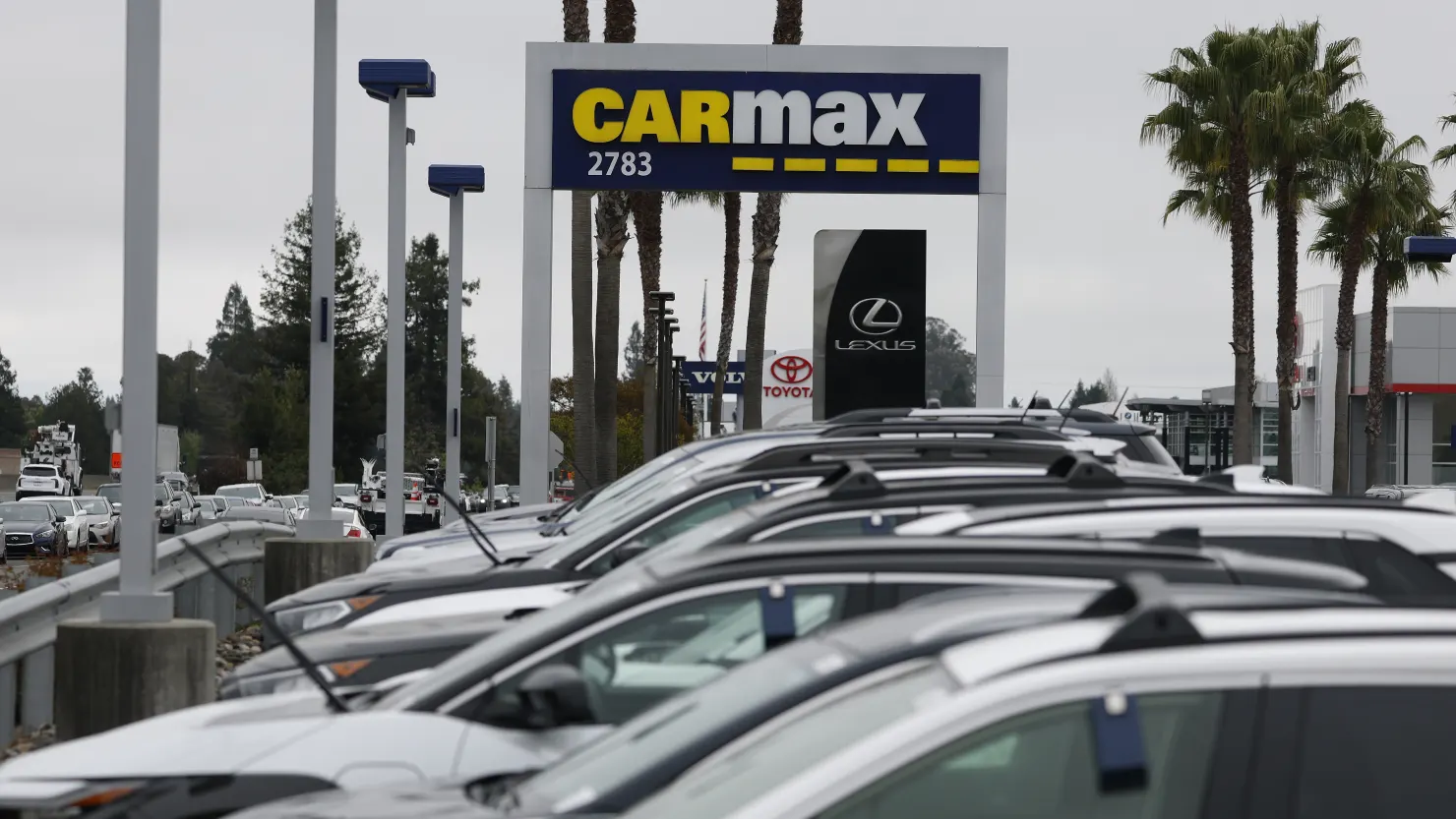
DETROIT — CarMax shares plunged nearly 20% on Thursday, marking the company’s steepest one-day drop in years, after the used car retailer reported quarterly earnings and revenue that fell short of Wall Street’s expectations. The disappointing results sent the stock to its lowest level in more than five years.
At the close of trading, CarMax shares stood at $45.60 — a level not seen since March 2020, when the pandemic brought U.S. auto production and retail activity to a halt. So far this year, the company’s stock has fallen about 44%, leaving CarMax with a market capitalization of roughly $6.84 billion.
According to LSEG data, the company’s revenue for the quarter came in at around $6.6 billion, a 6% decline compared to the same period last year. Adjusted earnings per share were reported at $0.99, falling short of analysts’ forecasts of $1.05 per share and revenue estimates of $7.01 billion.
Other key figures painted a similarly downbeat picture. Overall vehicle sales dropped 4.1% year over year, contributing to a 28% decline in net income to $95.4 million. Analysts noted that the slowdown in consumer demand, rising financing costs, and weakening used vehicle prices continue to weigh heavily on the auto retail sector.
In the company’s official statement, CEO Bill Nash characterized the fiscal second quarter, which ended on August 31, as “challenging.” He pointed to several contributing factors, including shifting market conditions, an early surge in sales driven by tariff concerns, and depreciation across CarMax’s vehicle inventory.
“For the quarter, each month was down year over year, and each month got a little weaker,” Nash said during the company’s earnings call. “However, we’re entering this quarter with a stronger inventory position and better pricing alignment, which should support more stability moving forward.”
CarMax’s performance also rippled across the broader auto retail sector. Shares of other major car retailers declined on Thursday as investors viewed CarMax’s results as a bellwether for the industry’s upcoming earnings season. The report reinforced concerns that cooling consumer demand, higher interest rates, and rising vehicle depreciation may continue to challenge the used car market in the months ahead.