Andrew Ross Sorkin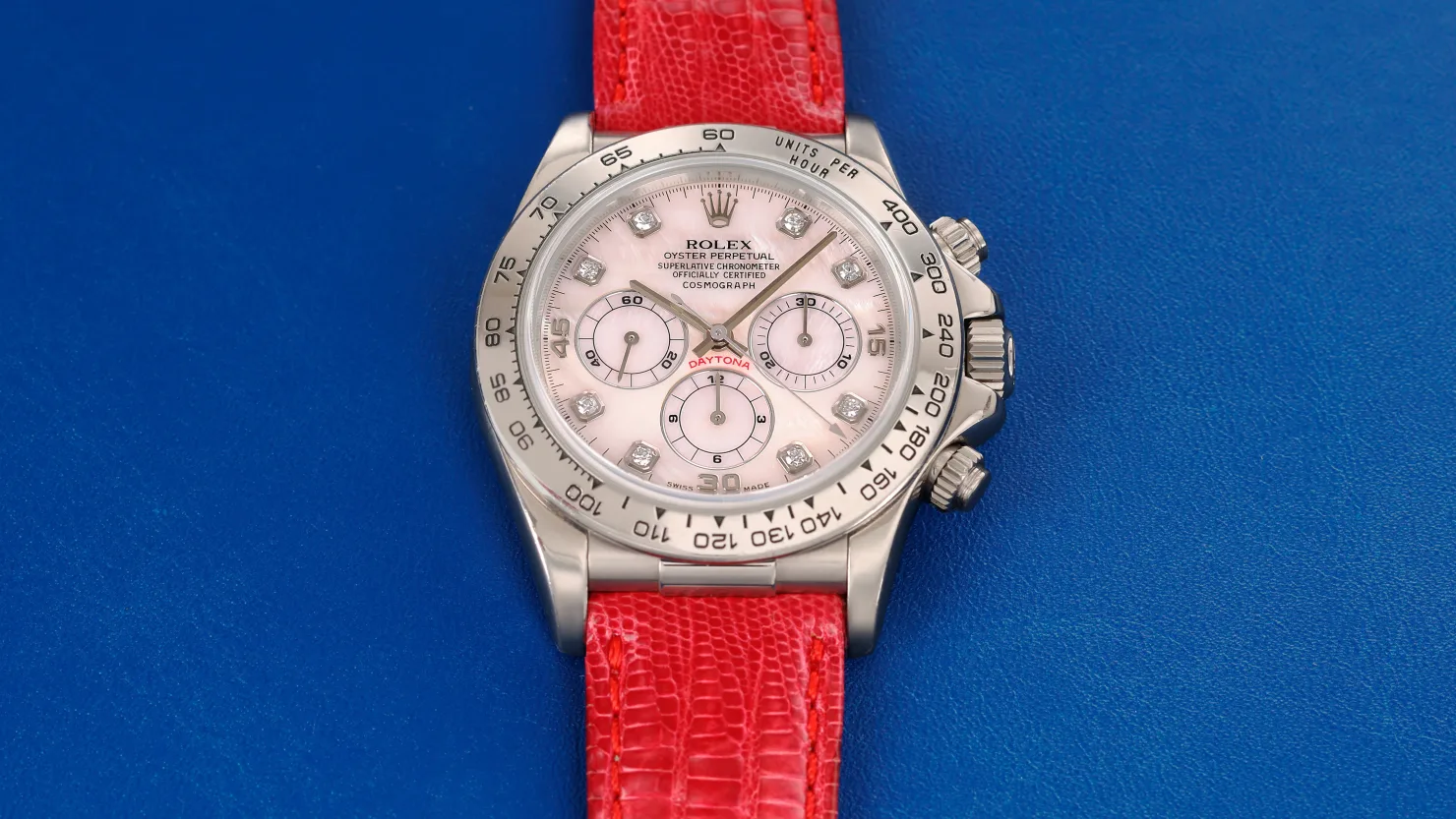
A remarkable chapter in horological history is about to be written once again.
This Sunday, a platinum Rolex Daytona crafted in 1999 will go under the hammer at Sotheby’s Geneva, with estimates suggesting it could fetch as much as $1.7 million.
The timepiece is extraordinary not just for its material — platinum, which Rolex did not officially use in Daytona models until 2013 — but for its origin. It was privately commissioned and custom-built for a client, a practice almost unheard of for Rolex, which is famously discreet and rarely deviates from its tightly controlled production line.
Pedro Reiser, senior watch specialist at Sotheby’s, noted that such a commission is a rarity in Rolex’s long history. “Other watchmakers might occasionally entertain private commissions,” he said. “But when it comes to Rolex, you almost never see it happen.”
Only four examples of this watch are known to exist, each crafted for the same family but featuring unique dials. The piece appearing in Geneva is the last of the quartet to be offered for sale. Its siblings have already set remarkable records, some selling for more than $3 million.
Collectors and enthusiasts are abuzz with anticipation. The watch is believed to have been designed during the tenure of Patrick Heiniger, who served as Rolex’s CEO from 1992 to 2008. Heiniger presided over a period of immense growth and prestige for the brand, transforming Rolex into a symbol of ultimate luxury and exclusivity.
Whispers in the watch community have long suggested that Heiniger himself may have ordered or even worn a similar platinum Daytona. However, Reiser is quick to clarify that such claims remain unverified. “That’s more of a legend than a fact,” he said. “I’ve never seen him wearing this particular model, though he was known to favor platinum watches — especially the Day-Date series. It’s a compelling story, but likely a myth.”
The intrigue surrounding this piece stems in part from its place in Rolex’s timeline. In 1999, the Daytona was available only in stainless steel, yellow gold, and white gold. The existence of a platinum version — and one featuring a Zenith El Primero movement — makes this watch a true anomaly in the brand’s catalog.
“This is the only known platinum Zenith Daytona,” Reiser said. “That alone makes it incredibly special.”
Even among the four commissioned pieces, this model stands apart. It is the only one to feature a diamond-set mother-of-pearl dial. The other three are adorned with rare stones — dark mother-of-pearl, lapis lazuli, and turquoise — but none carry the sparkle of diamonds.
The sale comes at a time when rare timepieces are increasingly viewed as serious investment assets. According to Knight Frank’s most recent luxury index, watches have appreciated by more than 125% in value over the past decade. This places them among the top-performing collectible categories, behind only rare whisky and designer furniture.
Though the market has cooled slightly — with growth slowing to 1.7% over the past year — watches have still seen a robust five-year rise of more than 50%, a sign of lasting collector confidence.
Reiser noted that interest in collectible watches has broadened significantly in recent years. “We’re seeing a younger generation of buyers, many under 30, entering the market,” he said. “The international demand has also expanded, with more collectors from Asia, the Middle East, and North America viewing these pieces as both cultural icons and long-term investments.”
For connoisseurs, this 1999 platinum Daytona is more than just a timepiece — it’s a glimpse into Rolex’s hidden world of craftsmanship and discretion. With its combination of rarity, mystery, and undeniable beauty, it represents the perfect blend of mechanical excellence and luxury storytelling.
When the auction begins in Geneva, all eyes will be on this singular masterpiece — a watch that has transcended its role as an instrument of time to become a symbol of artistry, secrecy, and timeless prestige.