Andrew Ross Sorkin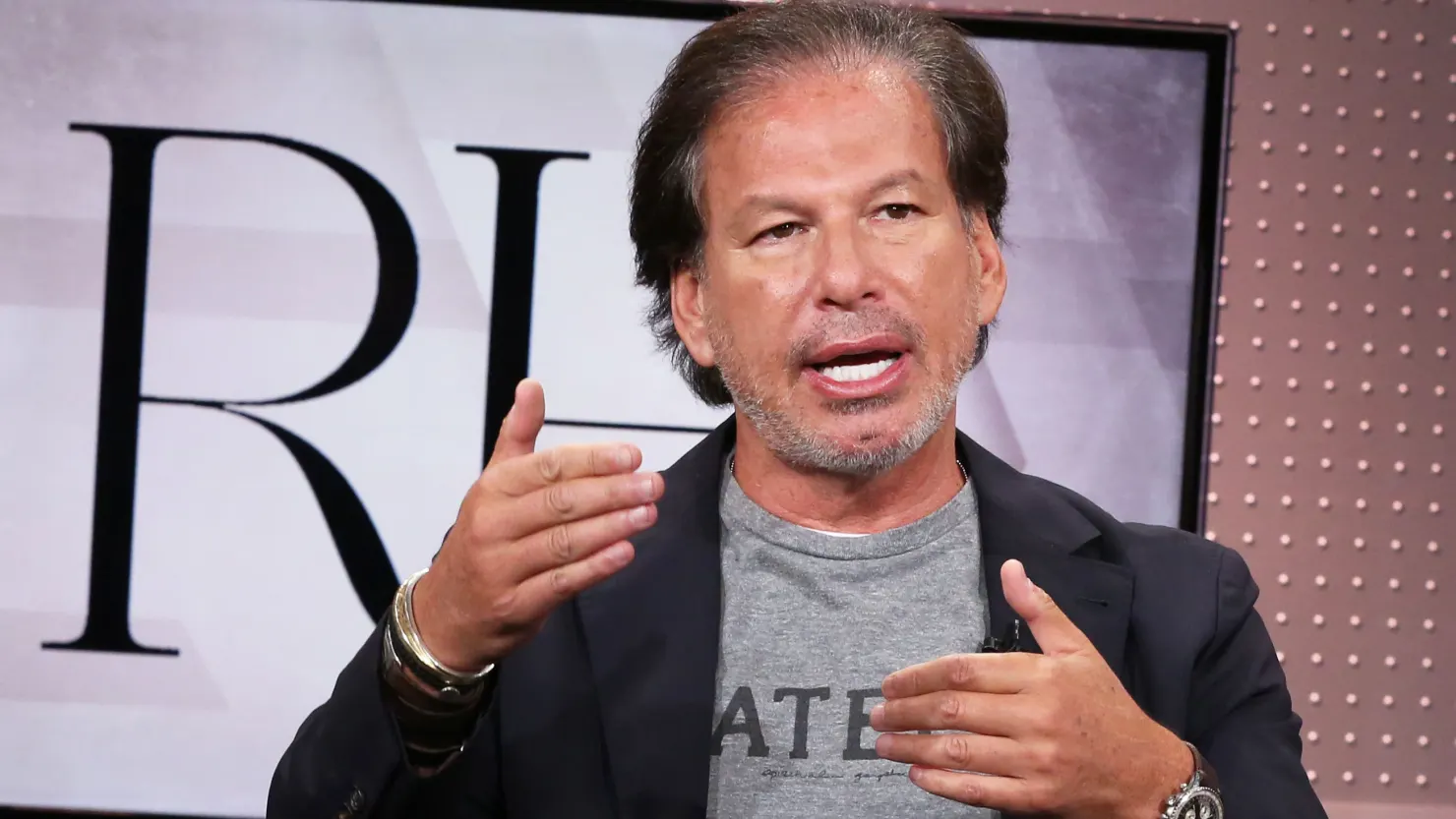
Shares of RH slipped slightly on Friday after the luxury furniture retailer posted disappointing fiscal second-quarter results, missing Wall Street’s revenue expectations and revising its full-year forecast downward.
In its Thursday announcement, RH revealed that it would take an additional $30 million hit due to tariffs—just three months after reaffirming its full-year projections in its previous earnings report.
The company now expects full-year revenue to grow between 9% and 11%, compared with its earlier guidance of 10% to 13%. Adjusted earnings before interest, taxes, depreciation, and amortization (EBITDA) margins are now projected between 19% and 20%, slightly below the earlier range of 20% to 21%.
For the quarter, RH reported revenue of $899 million, falling short of analysts’ expectations of $905 million. The company also announced a two-month delay in releasing its Fall Interiors Sourcebook, citing ongoing adjustments to product pricing amid tariff uncertainties.
“We now expect roughly $40 million in revenue to shift from the third quarter into the fourth quarter and the first quarter of fiscal 2026,” CEO Gary Friedman wrote in a letter to shareholders.
Adding to the uncertainty, President Donald Trump has recently renewed his push for additional tariffs on imported furniture. In late August, he stated that his administration had launched a 50-day investigation to determine new tariff rates, aiming to “bring the furniture business back” to the United States.
“Just when it seemed the tariff discussion might be over, a new investigation was announced,” Friedman noted. “The potential for additional tariffs on furniture, combined with new steel and aluminum tariffs, is being justified as a way to restore U.S. furniture manufacturing. However, the reality is that large-scale production of high-quality wood and metal furniture currently doesn’t exist domestically.”
Although RH’s second-quarter report accounted for current global tariff impacts, it did not include projections for the possible changes if new tariffs are implemented. The company said it is continuing to move operations away from China and exploring alternative manufacturing options, including in India.
“While uncertainty remains until the tariff investigations conclude, we have demonstrated that we are well positioned to perform strongly under any market conditions,” Friedman emphasized.