Andrew Ross Sorkin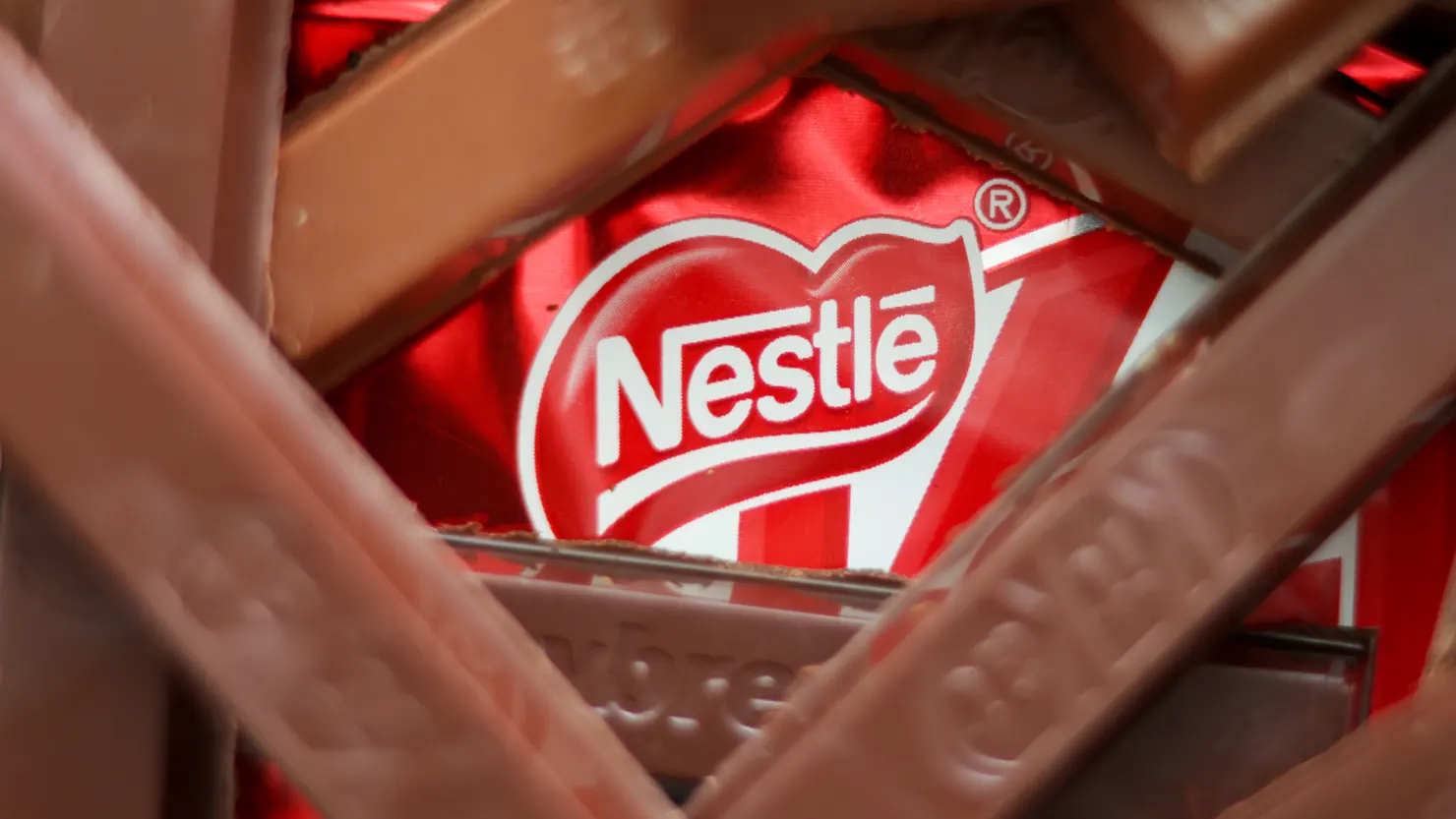
Nestlé has announced a significant restructuring plan that includes cutting 16,000 jobs worldwide, as newly appointed CEO Philipp Navratil takes swift action to reposition the global consumer goods leader for long-term growth. The company confirmed on Thursday that approximately 12,000 white-collar positions will be eliminated, with an additional 4,000 roles phased out over the next two years in an effort to streamline operations and enhance efficiency.
In a post summarizing the firm’s latest earnings update, Navratil emphasized that the organization is undergoing a major transformation. “We are reshaping how we operate. Our goal is to simplify our structure and accelerate automation across key processes,” he noted. While the company has not provided specific details on the implementation of automation within corporate divisions, Nestlé spokesperson Chiara Valsangiacomo clarified to CNBC that the initiative is not purely about replacing human roles with artificial intelligence, but rather involves a broader reorganization of the company’s operating model.
Across various sectors—particularly in technology—companies have increasingly turned to AI-driven systems, leading to substantial workforce reductions. According to a report by Challenger, Gray & Christmas, more than 17,000 job cuts this year have been directly linked to AI-related shifts in operations. However, Nestlé insists that its strategy extends beyond automation and aims to create a more agile and performance-focused structure.
The market responded positively to the restructuring announcement. Nestlé’s shares rose by 9.3% on Thursday, significantly lifting the broader European food and beverage sector, which closed 4.2% higher.
Before Navratil took over, former CEO Laurent Freixe had already introduced a cost-cutting initiative valued at 2.5 billion Swiss francs ($3.14 billion). Under the new leadership, the company has accelerated this target to reach 3 billion francs by the end of 2027.
Nestlé’s latest financial results showed encouraging signs of recovery. Organic sales increased by 4.3% during the third quarter, outperforming market expectations despite economic uncertainties, U.S. tariffs, and rising raw material costs for cocoa and coffee. Additionally, real internal growth (RIG) returned to positive territory at 1.5%, indicating that the company’s investments in growth-focused initiatives are beginning to generate returns. This rebound was also supported by easier comparative figures from the previous period.
Earlier in the year, a weaker RIG performance in the second quarter had led to a drop in share value. Analysts at HSBC had previously anticipated a recovery in volume growth, citing easing comparisons, improved internal initiatives, and reduced resistance to pricing changes.
Despite the broader recovery, Nestlé’s performance in Greater China continued to lag, negatively impacting overall organic growth by 80 basis points and RIG by 40 basis points. The company confirmed that new leadership has been appointed in the region and that a turnaround strategy is being actively implemented.
Commenting on the company’s trajectory, Jon Cox, head of European consumer equities at Kepler Cheuvreux, said that the third-quarter performance signals a potential inflection point. He noted that the company’s strategy of focusing on high-performing segments while addressing underperforming areas appears to be yielding results. According to Cox, the improved financial performance may help reduce investor concerns that emerged during a turbulent leadership transition period.
A Leadership Shake-Up Amid Pressure from Investors
Nestlé has faced growing scrutiny from shareholders after underperforming relative to competitors. The company’s stock has declined more than 40% since its peak in December 2021 and registered a 9% drop over the past year.
The company also experienced internal turmoil this year following the removal of former CEO Laurent Freixe in September due to an undisclosed romantic relationship. Navratil, who previously headed Nestlé’s Nespresso unit, was appointed to lead the company forward. He has expressed strong commitment to executing the existing strategic roadmap and accelerating turnaround efforts to boost shareholder value.
Shortly after Freixe’s departure, Chairman Paul Bulcke was also prompted to leave his position earlier than planned, following pressure from institutional investors dissatisfied with the company’s handling of the leadership controversy. Bulcke transferred leadership responsibilities to Vice Chairman Pablo Isla, a former Inditex CEO, who was originally scheduled to assume the role after Nestlé’s 2026 annual general meeting.
Market analysts note that the new leadership team will need to rebuild investor confidence through clear execution and transparent communication. Deutsche Bank analysts commented that long-term investors may remain cautious until the new CEO, who is still relatively unfamiliar to broader financial markets, demonstrates sustained operational improvements.
In the near term, investors are expected to monitor developments in volume recovery and progress in China. Longer-term considerations include updates on Nestlé’s partial divestment plans for its water division, improvements in its underperforming vitamins segment, and strategic decisions regarding its 20% stake in L’Oréal.
In a statement accompanying the earnings report, Navratil reiterated his commitment to strengthening performance. “We must accelerate our momentum and prioritize opportunities with the highest return potential,” he said. He emphasized a disciplined resource allocation strategy designed to maximize value creation in key business segments.
As Nestlé moves forward under new leadership, the company aims to strike a balance between cost efficiency, innovation, and long-term market competitiveness, signaling the beginning of a decisive new chapter in its global operations.