Andrew Ross Sorkin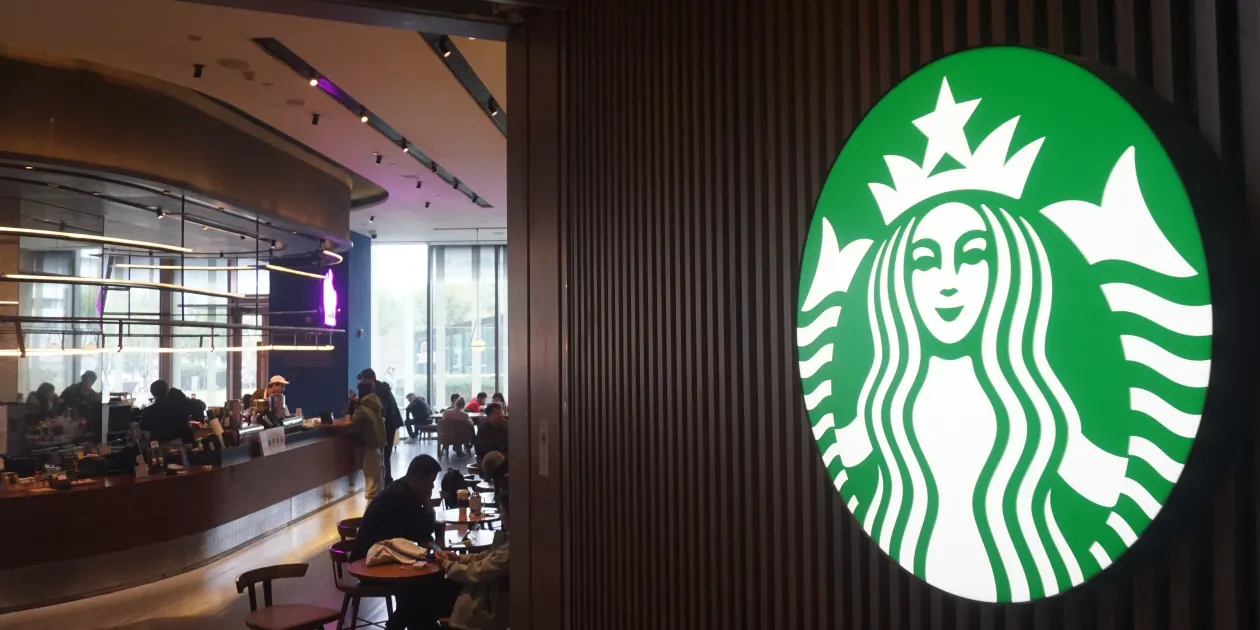
Starbucks announced on Monday that it will form a new joint venture with Boyu Capital to manage its operations across China, marking one of the coffee giant’s most significant moves in the region in years. The agreement, valued at $4 billion, represents a major step in Starbucks’ evolving China strategy amid shifting consumer dynamics and growing competition from local coffee brands.
Under the terms of the agreement, Boyu Capital, a leading alternative asset management firm, will hold up to a 60% stake in the joint venture, while Starbucks will retain a 40% share. The U.S. coffee chain will continue to license its brand and intellectual property to the new entity, maintaining a strong presence and influence in its Chinese business operations.
The decision follows an extensive internal review that explored strategic partnerships to sustain long-term growth in China. Starbucks has valued its China business at over $13 billion, a figure that includes the proceeds from selling the controlling stake, the value of its retained ownership, and the ongoing licensing fees expected from the joint venture. The deal is projected to close in the second quarter of fiscal 2026, pending approval from Chinese regulatory authorities.
Starbucks first entered the Chinese market in 1999 with a single store in Beijing. By 2015, China had become the company’s second-largest market, surpassed only by the United States. The rapid expansion reflected both the growing middle class’s appetite for Western-style coffee culture and Starbucks’ strong localization strategy.
“Building on our positive business momentum, our partnership with Boyu will enable Starbucks China to fully unlock the vast market opportunity,” said Molly Liu, CEO of Starbucks China, in an official statement. She emphasized that the collaboration will allow Starbucks to better adapt to the evolving Chinese consumer landscape and strengthen its operational flexibility.
Currently, Starbucks operates about 8,000 stores across China. However, the company has far more ambitious plans. CEO Brian Niccol told CNBC in September that he envisions China hosting as many as 20,000 to 30,000 Starbucks locations in the long run, signaling continued confidence in the market’s potential despite recent setbacks.
The path forward, however, has not been without obstacles. In recent years, Starbucks’ performance in China has been hit hard by the pandemic, government restrictions, and intensifying competition from local chains such as Luckin Coffee. Luckin has overtaken Starbucks in the number of stores nationwide and has attracted customers with its lower prices and tech-driven ordering system, reshaping China’s coffee landscape.
Despite these challenges, Starbucks’ most recent quarterly report showed a modest recovery. Same-store sales in China rose 2% during its fiscal fourth quarter, supported by a 9% increase in customer traffic. However, the company’s efforts to compete through discounts have led to a decline in average spending per customer, putting pressure on profit margins. While sales volume is rising, the company continues to navigate the balance between growth and profitability.
Executives remain optimistic about the long-term potential of the Chinese market, even as its short-term performance has dragged down the company’s overall global results. China’s vast population, expanding middle class, and growing taste for premium coffee continue to make it one of the most valuable regions for Starbucks’ future growth.
The broader business environment for U.S. companies in China has also shifted in recent years. Once seen as a land of boundless opportunity, China has become a more complex and competitive market. Economic growth has slowed, and home-grown brands have become increasingly sophisticated, forcing foreign companies to rethink their strategies.
In the fast-food industry, several global players have made significant adjustments. Earlier this year, Restaurant Brands International, the parent company of Burger King, acquired its struggling China operations from TFI Asia Holdings with the intention of selling them to a new operator better positioned to drive local growth. In contrast, McDonald’s took the opposite route two years ago, increasing its minority stake in its China business from 20% to 48%, betting on long-term expansion opportunities.
For Starbucks, the partnership with Boyu Capital represents both a strategic and symbolic shift. Rather than managing every aspect of its Chinese operations directly, the company is now positioning itself as a powerful global brand with a more flexible, localized structure. This move could allow it to better navigate China’s evolving retail environment while sustaining brand value and customer loyalty.
As the deal moves toward completion, analysts view the joint venture as a calculated effort by Starbucks to realign its strategy in one of its most critical markets. While the company faces mounting challenges from local competitors and shifting economic conditions, its renewed approach underscores a key message: Starbucks remains committed to China for the long haul, adapting its model to ensure that the brand continues to thrive in the world’s fastest-growing coffee market.