Andrew Ross Sorkin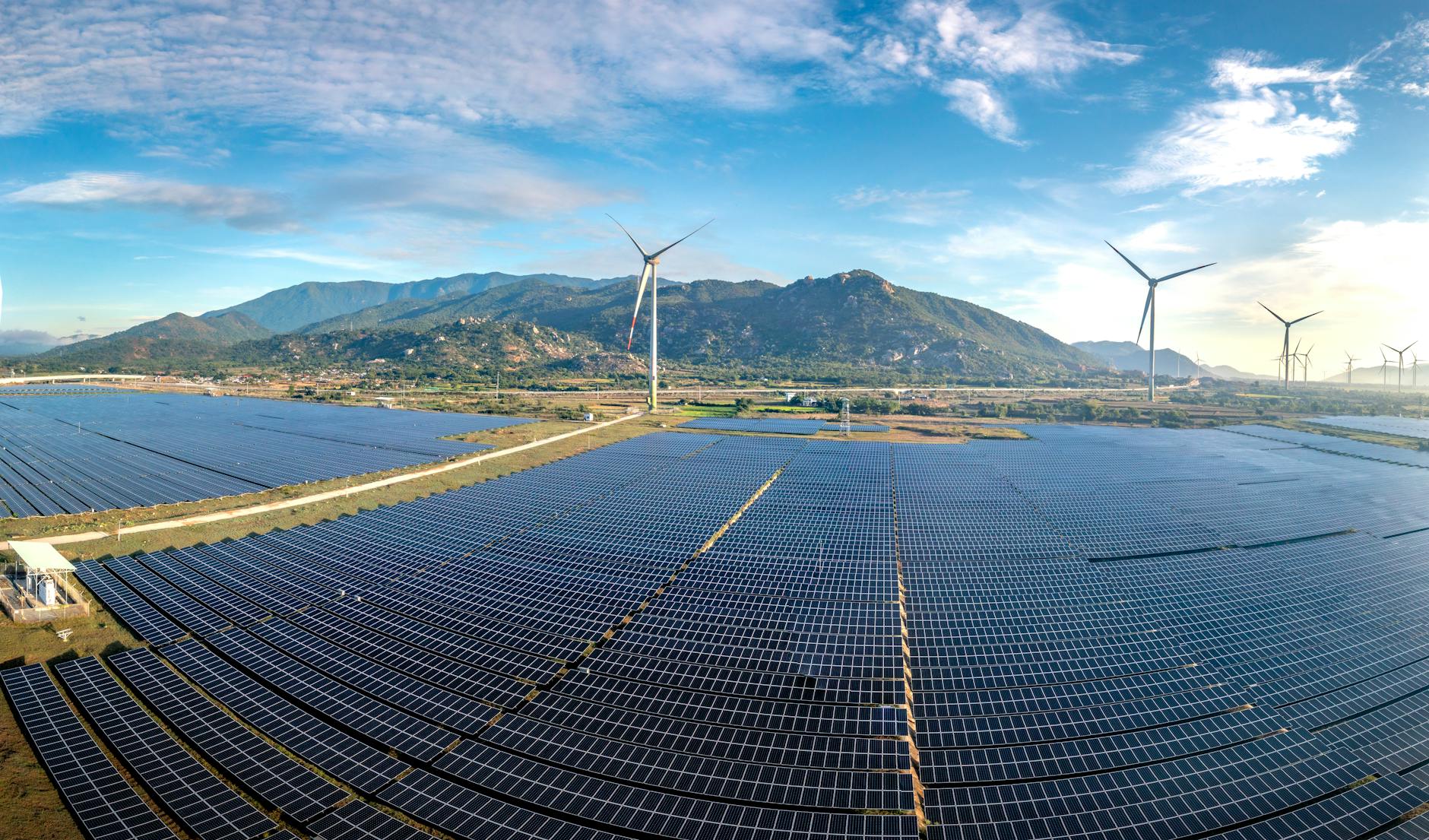
KKR has closed a $6.5 billion Asia-focused infrastructure fund aimed squarely at capitalizing on the region’s accelerating energy transition, marking a significant milestone in the firm’s strategy to expand its footprint in climate-aligned investing. The vehicle, raised from a mix of global institutional investors including sovereign wealth funds, pension plans, and insurance companies, reflects growing confidence in Asia’s infrastructure investment landscape despite persistent macroeconomic and geopolitical headwinds.
The fund will deploy capital across a spectrum of sectors tied to decarbonization and energy system transformation, including renewable power generation, transmission and distribution networks, battery storage, and adjacent digital infrastructure supporting electrification. These investments are expected to target long-duration, yield-generating assets that can deliver stable returns while benefiting from structural tailwinds such as urbanization, industrialization, and government-led energy policy reforms.
Asia represents a uniquely complex but high-growth opportunity for infrastructure investors. The region accounts for a significant share of global energy demand growth, driven by population expansion and economic development. At the same time, governments across markets such as India, Indonesia, Vietnam, and Japan have committed to ambitious carbon reduction targets, creating a substantial pipeline of investable projects. However, the financing gap remains large, with public capital insufficient to meet the scale of required investment, thereby opening the door for private equity and infrastructure funds to play a critical role.
KKR’s latest fundraise builds on its established presence in Asia, where it has been active across private equity, credit, and real assets. The firm has increasingly emphasized infrastructure as a core pillar of its global strategy, viewing the asset class as well positioned to deliver both defensive characteristics and exposure to long-term growth themes. The Asia infrastructure strategy, in particular, is designed to leverage local partnerships, regulatory insights, and operational capabilities to navigate market-specific risks.
Investors have shown sustained interest in infrastructure funds in recent years, particularly those aligned with ESG principles. Energy transition assets offer a combination of predictable cash flows, inflation protection, and policy support, making them attractive in an environment characterized by higher interest rates and economic uncertainty. The ability to secure contracted revenues or regulated returns further enhances the appeal of such investments relative to more cyclical asset classes.
The fundraising also highlights the competitive dynamics within the global alternatives industry. Large asset managers including BlackRock, Brookfield, and Macquarie have been scaling their infrastructure platforms, often targeting similar themes such as renewable energy and grid modernization. In Asia, where deal sourcing can be fragmented and execution risks are elevated, scale and local expertise have become key differentiators. KKR’s ability to raise a multi-billion-dollar vehicle signals strong investor confidence in its sourcing pipeline and execution track record.
Energy transition investments in Asia encompass a broad range of opportunities. Renewable power remains a core focus, with solar and wind projects continuing to attract capital due to declining costs and supportive regulatory frameworks. However, the investment landscape is evolving beyond generation assets to include enabling infrastructure such as transmission networks, which are critical for integrating renewable capacity into national grids. Energy storage is another area gaining traction, as intermittent generation requires balancing solutions to ensure reliability.

Digital infrastructure is increasingly intersecting with the energy transition theme. Data centers, for example, are becoming major energy consumers, prompting investment in efficient power solutions and renewable integration. Similarly, the electrification of transport and industrial processes is driving demand for charging infrastructure and grid upgrades. These interconnected trends expand the universe of potential investments for infrastructure funds, allowing for diversified exposure within a single thematic strategy.
Despite the strong structural tailwinds, investing in Asia infrastructure presents a set of challenges that require careful management. Regulatory environments can vary significantly across jurisdictions, affecting project approvals, tariff structures, and foreign ownership rules. Currency volatility is another key consideration, particularly for funds denominated in U.S. dollars but investing in local currency assets. Additionally, construction and execution risks can impact timelines and returns, especially in greenfield projects.
To mitigate these risks, firms like KKR typically adopt a disciplined investment approach that includes partnering with local developers, focusing on assets with established revenue frameworks, and employing active asset management strategies post-acquisition. The ability to navigate regulatory processes and align with government priorities is often critical to securing attractive deals and ensuring project success.
The timing of the fundraise is notable given the broader macroeconomic backdrop. Higher global interest rates have increased the cost of capital, potentially affecting infrastructure valuations and financing structures. At the same time, inflation has reinforced the attractiveness of real assets with pricing power or inflation-linked revenues. For institutional investors, infrastructure continues to serve as a portfolio diversifier, offering lower correlation with public markets and a hedge against volatility.
KKR’s Asia infrastructure fund also reflects evolving investor preferences toward sustainability and impact. Many institutional allocators are under pressure to meet net-zero commitments, driving demand for investment strategies that contribute to emissions reduction while generating competitive returns. Energy transition infrastructure sits at the intersection of these objectives, making it a focal point for capital deployment.
The scale of capital required to achieve global decarbonization goals is substantial, with estimates running into trillions of dollars over the coming decades. Asia, as the world’s largest and fastest-growing energy market, will account for a significant portion of this investment need. Private capital is expected to complement public funding and multilateral financing, particularly in areas where commercial viability can be demonstrated.

KKR’s ability to raise $6.5 billion for its Asia infrastructure strategy suggests that investors are willing to commit significant capital despite uncertainties. It also indicates confidence in the long-term fundamentals of the region, including demographic trends, economic growth prospects, and policy support for infrastructure development. The fund is likely to pursue a mix of platform investments and direct asset acquisitions, aiming to build scalable businesses that can deliver consistent returns.
Looking ahead, the deployment of the fund’s capital will be closely watched by market participants as an indicator of deal flow and valuation trends in Asia’s infrastructure sector. Competition for high-quality assets is expected to remain intense, potentially compressing returns in certain segments. However, the breadth of opportunities across geographies and subsectors provides scope for differentiated strategies and value creation.
In addition to traditional infrastructure investments, the fund may explore innovative financing structures and partnerships to unlock opportunities in emerging markets. Blended finance, for example, can help de-risk projects by combining private capital with support from development finance institutions. Such approaches are increasingly relevant in regions where investment risks are higher but growth potential is significant.
The fundraising milestone reinforces KKR’s position as a major player in global infrastructure investing and highlights the firm’s commitment to expanding its presence in Asia. As the energy transition accelerates, the ability to identify and execute on investment opportunities in this space will be a key determinant of performance for infrastructure funds.
For the broader market, the deal underscores the continued evolution of infrastructure as an asset class. Once dominated by traditional assets such as toll roads and airports, the sector is now being reshaped by technological change, policy priorities, and investor demand for sustainability. Energy transition investments are at the forefront of this transformation, offering both challenges and opportunities for capital providers.
As KKR begins deploying capital from its new fund, the success of its investments will depend on its ability to navigate the complexities of Asia’s diverse markets while capitalizing on the region’s growth trajectory. The fund’s progress will serve as a barometer for investor sentiment and the pace of infrastructure development in one of the world’s most dynamic regions.