Andrew Ross Sorkin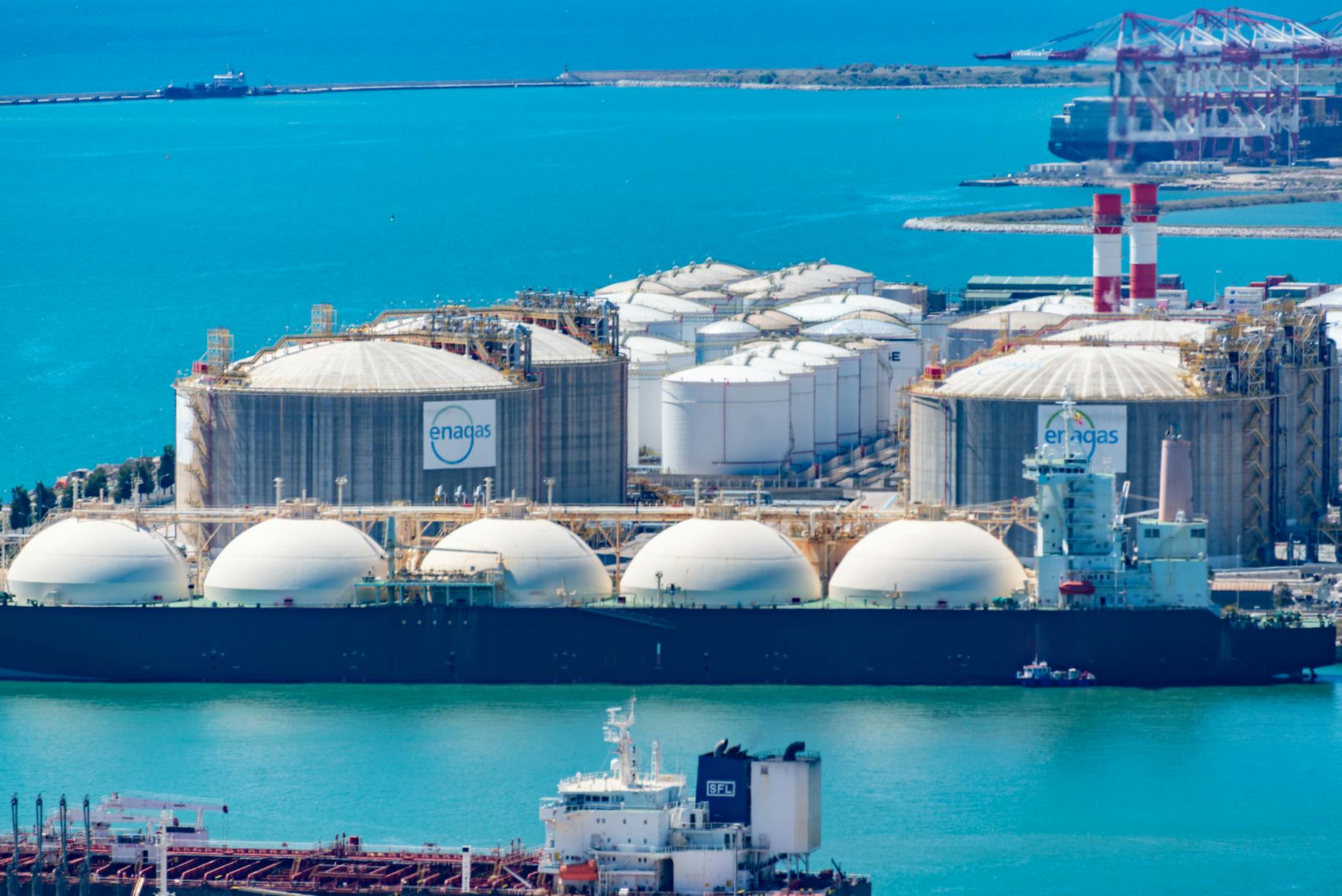
Woodside Energy’s delayed Browse LNG project is now expected to cost A$48.7 billion, or about $35.2 billion, according to a newly released economic assessment that places the proposed development among the largest industrial investments under consideration in Australia.
The estimate, disclosed in a Deloitte Access Economics report commissioned by Woodside and released Monday, compares with a 2019 project estimate of A$27.3 billion. Reuters reported that the new figure uses different assumptions and a different base year from the earlier estimate, while the project’s design has also changed materially since then, including the addition of a large carbon capture and storage component in 2023.
The Browse development is significant because it is intended to unlock Australia’s largest undeveloped offshore gas resource and supply the existing North West Shelf LNG infrastructure in Western Australia. The project has been under regulatory review for years and remains exposed to environmental scrutiny, project-cost escalation, negotiations over processing arrangements and a changing global LNG market in which buyers are balancing long-term energy security with emissions commitments.
Woodside’s proposal would draw gas from the Calliance, Torosa and Brecknock fields off northwest Australia and transport it through an approximately 900-kilometre pipeline to the Karratha Gas Plant, part of the North West Shelf complex. The Woodside release said the development would be connected to two floating production storage and offloading facilities and would have forecast production capacity of 11.4 million tonnes per annum across LNG, LPG and domestic gas, with a peak condensate production rate of 50,000 barrels per day.
The cost update gives investors and policymakers a clearer view of the capital intensity attached to the long-deferred project. At A$48.7 billion, Browse would sit in the category of nationally significant megaprojects rather than a conventional upstream tieback, particularly because the plan includes offshore production systems, a long pipeline connection, processing through existing LNG infrastructure and a carbon capture and storage scheme designed to manage reservoir carbon dioxide.
The scale of the revised estimate also underscores a broader challenge facing LNG developers globally: new supply remains strategically attractive, particularly for Asian utilities and industrial buyers seeking alternatives to coal, but construction costs, environmental approvals and financing scrutiny have risen sharply. Projects that were first framed under earlier cost assumptions now face a different operating environment, with higher contractor costs, tighter permitting requirements and greater investor focus on emissions intensity.
Woodside has sought to frame Browse as both an energy security project and a whole-of-economy investment. Its Monday release said Deloitte Access Economics estimated the project could contribute a long-term uplift of more than A$141 billion in gross domestic product nationally and more than A$56 billion in taxes. The report also estimated around A$147 billion in gross state product uplift for Western Australia and approximately A$56.2 billion in taxes, royalties and excise, including about A$19.8 billion in petroleum resource rent tax.
The company also highlighted expected employment and supply-chain effects. According to Woodside’s release, the Deloitte modelling estimated up to 4,760 direct and indirect full-time equivalent jobs across Australia at peak operations, with about 80% of economic impacts flowing to industries outside oil and gas, including construction, services and public services.
That economic case is likely to be central to Woodside’s argument as it seeks to move the project toward front-end engineering and design. The company said the project remains in the concept definition phase, with key activities continuing to support progress toward FEED entry. That means the capital estimate is not the same as a final investment decision, but it gives regulators, partners and investors a working figure for the development’s potential scale.

Woodside Chief Executive Officer Liz Westcott said in the company’s release that Browse represented Australia’s biggest undeveloped offshore gas resource and a major national opportunity at a time when energy security had become increasingly important. She said the project had the potential to support homes and businesses, Australian jobs and government revenue while helping manage the risks and costs of the energy transition.
The project’s relationship with the North West Shelf LNG facility is a critical part of the business case. The North West Shelf complex is one of Australia’s most important LNG export assets, but its long-term operating profile depends on securing sufficient gas supply as existing sources decline. Reuters reported that Woodside has proposed using Browse fields to supply the ageing North West Shelf LNG facility, which received a 40-year life extension to 2070 last year.
That linkage gives Browse a broader strategic role than a stand-alone field development. If approved and developed, Browse could help extend utilization of established LNG infrastructure, potentially reducing the need for an entirely new onshore processing complex. At the same time, its dependence on existing facilities also means the project remains tied to regulatory conditions, processing terms and the long-running public debate over industrial emissions from the Burrup Peninsula and associated LNG operations.
The proposed carbon capture and storage component is one of the most important changes since the earlier cost estimate. Reuters reported that the CCS component aims to inject up to 4 million metric tons a year of carbon dioxide emissions back into Browse reservoirs and reduce direct emissions by 47%. Woodside’s release said the incorporated CCS solution is expected to enable a reduction of 53 million tonnes of carbon dioxide equivalent greenhouse gas emissions compared with the project’s 2019 Scope 1 emissions estimate.
The inclusion of CCS may help Woodside address emissions concerns, but it also adds complexity and cost. Carbon capture systems require additional engineering, compression, transport, injection and monitoring infrastructure, and they can become a major part of a project’s regulatory and commercial risk profile. For investors, the key question is whether the CCS design meaningfully improves the project’s approval prospects and long-term emissions profile without making the development too expensive to justify.
Environmental opposition remains a major obstacle. Reuters reported that environmental groups have argued Browse could threaten nearby Scott Reef, an ecologically sensitive area associated with endangered pygmy blue whales and green turtles. Critics have also challenged whether new long-life gas production is consistent with emissions reduction goals, even when paired with carbon capture technology.
The regulatory timeline is now central to the market story. Reuters reported that Australia’s environment department is due to give final advice to the government on whether to approve or reject the project as soon as next month, citing public broadcaster ABC. A positive decision would not automatically guarantee development, but it would remove one of the project’s most significant barriers. A rejection or onerous conditions could delay the project further and force Woodside and its partners to reassess the development pathway.
The Browse joint venture includes several major international energy companies. Reuters identified Woodside’s Browse partners as BP, Japan’s Mitsui & Co. and Mitsubishi, and the international arm of PetroChina. Their involvement reflects the project’s importance to regional LNG supply chains and to Asian energy buyers that have historically relied on Australian LNG for long-term contracted supply.

For Asian markets, Browse is relevant because LNG demand remains shaped by a mix of energy security, coal displacement, industrial demand and decarbonization policy. Woodside’s release said Browse gas could play a role in helping Australia’s trading partners in the Asia Pacific reduce reliance on coal-fired power while supporting regional energy security. That argument is commonly advanced by LNG developers, though it remains contested by climate advocates who argue that new gas supply risks locking in fossil-fuel use for decades.
For Western Australia, the domestic gas angle is also important. Woodside said Deloitte’s modelling indicated additional domestic gas from Browse could support a more stable and reliable energy system by generating electricity, backing up renewables, supporting a more orderly scale-up of renewable energy and supplying energy-intensive industries such as critical minerals processing. The state’s industrial base, population growth and emerging demand from advanced manufacturing and data centres are expected to increase pressure on energy supply over coming decades.
The revised cost estimate also arrives as governments and investors have become more sensitive to LNG project economics. Large gas developments typically require long lead times, long-term offtake arrangements and durable confidence in regulatory settings. A higher capital estimate can affect expected returns, financing structure, partner alignment and customer negotiations. It can also change the political discussion: supporters may emphasize job creation and tax revenue, while opponents may point to rising costs and environmental exposure as reasons to reject or defer development.
The comparison with the 2019 estimate is likely to attract scrutiny, but the figures are not strictly like-for-like. Reuters reported that the new A$48.7 billion estimate uses different assumptions and a different base year than the A$27.3 billion figure from 2019. The addition of CCS and the broader inflationary environment also complicate a direct cost-escalation calculation. Even so, the headline increase reinforces the view that the project has become larger, more complex and more expensive as it has remained in the approval process.
For Woodside, Browse is part of a broader portfolio balancing established Australian LNG assets, international growth opportunities and shareholder expectations for disciplined capital allocation. The company must demonstrate that a project of this scale can compete for capital against other energy investments, including brownfield expansions, international LNG opportunities and lower-carbon projects. The revised cost estimate will therefore be read not only as a regulatory data point but also as a test of management’s willingness to pursue high-cost legacy growth options.
The next decisive moment is likely to be the regulatory advice expected in the coming weeks. Approval would move Browse closer to engineering and commercial milestones, though a final investment decision would still require partner alignment, processing arrangements and confidence in the long-term LNG market. Further delay would keep one of Australia’s largest undeveloped gas resources in limbo and extend uncertainty for the North West Shelf’s future supply base.
The Browse cost update therefore sits at the intersection of several market-moving themes: global LNG supply, Australian energy policy, project inflation, carbon management, domestic gas security and the future of one of the country’s most important export industries. The A$48.7 billion estimate does not resolve whether Browse will be built, but it clarifies the scale of the bet now facing Woodside, its partners and Australian regulators.