Andrew Ross Sorkin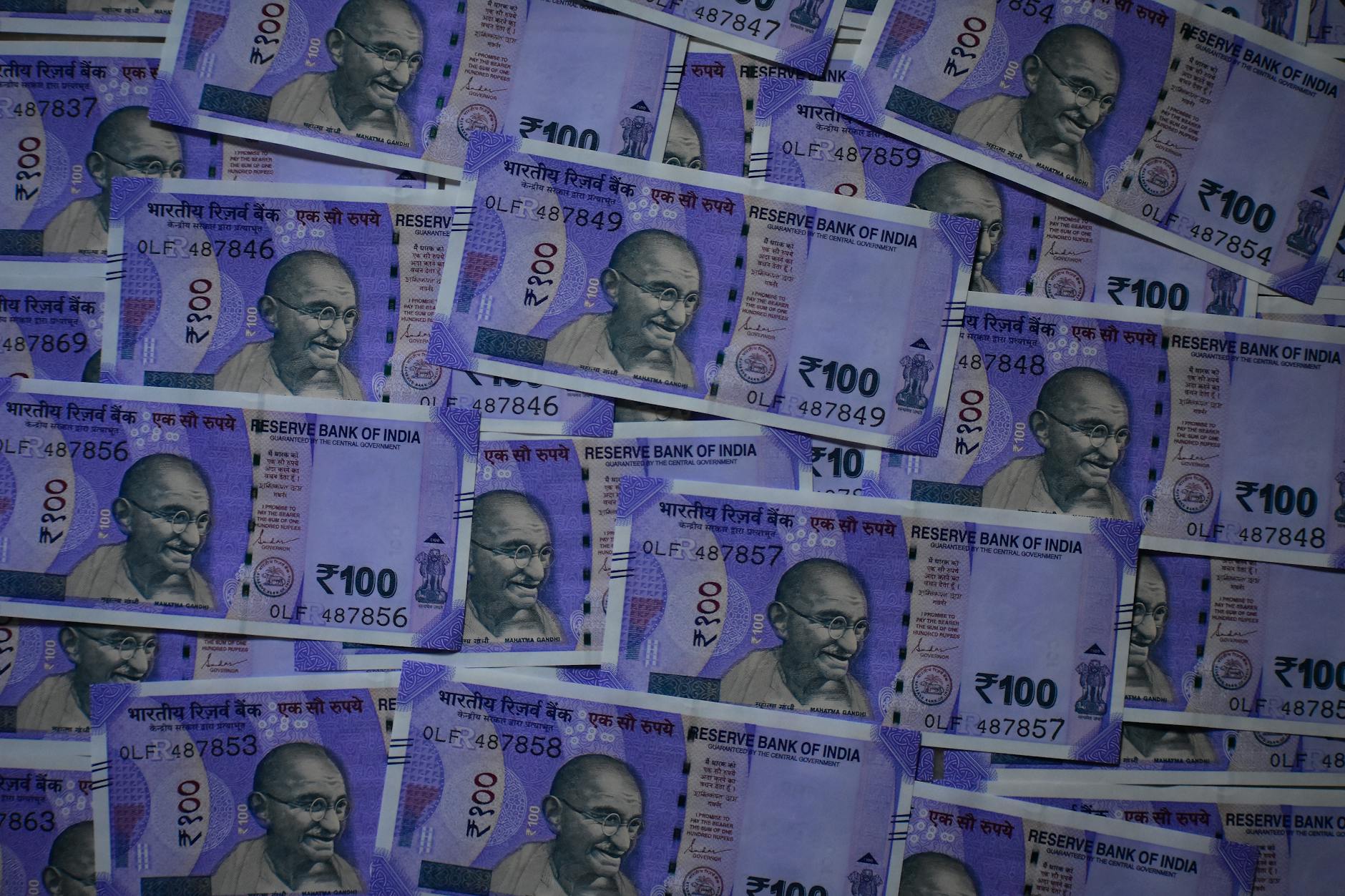
India’s central bank is preparing markets for a more conditional policy path as higher global oil prices threaten to turn what has so far been a manageable inflation backdrop into a more durable macroeconomic risk. Reserve Bank of India Governor Sanjay Malhotra said monetary policy can generally look through short-lived supply shocks, but may need to respond if inflation pressures become deeper and more persistent following the recent surge in oil prices linked to the Iran war.
The remarks, delivered at a conference in Switzerland and reported by Reuters on Wednesday, mark a shift in emphasis from the RBI’s April wait-and-watch posture toward a more explicit readiness to act if energy costs start feeding through the economy. Malhotra said the central bank’s approach would remain nimble and flexible, with decisions increasingly made on a meeting-by-meeting basis as policymakers assess whether the oil shock remains temporary or begins to alter inflation expectations.
For investors, the signal is important because India entered the latest oil shock with headline inflation still contained. Official data released by the Ministry of Statistics and Programme Implementation showed consumer price inflation at 3.48% in April, up from 3.40% in March but still below the RBI’s 4% medium-term target. Food inflation, measured by the Consumer Food Price Index, rose to 4.20% in April from 3.87% in March, while the transport category remained broadly muted in the official data, suggesting limited retail fuel pass-through so far.
That benign starting point gives the RBI some room to avoid an immediate reaction, but Malhotra’s comments indicate the central bank is alert to second-round effects. India is among the world’s largest crude importers, which means a sustained rise in oil prices can affect the economy through several channels at once: a larger import bill, weaker currency pressure, higher freight and logistics costs, increased input costs for industry, and potentially higher government spending if fuel prices are kept below market-clearing levels.
The governor’s message also highlights the policy trade-off facing New Delhi. If the government absorbs higher oil costs through taxes, subsidies or delayed fuel-price adjustments, near-term consumer inflation can remain contained but fiscal pressure may rise. If the costs are passed on more fully to consumers and businesses, headline inflation can accelerate and make the RBI’s task harder. Malhotra said fiscal and monetary policy coordination is important in the current environment, a point that reflects how administered energy prices can affect the timing and scale of inflation transmission.
At the April monetary policy review, the RBI chose to wait for more evidence rather than respond immediately to the oil shock. Malhotra said it was still early at that stage to judge the full economic impact. That stance was consistent with headline CPI remaining inside the central bank’s tolerance framework and below target, but the latest remarks suggest policymakers are not treating low current inflation as a sufficient reason to disregard forward-looking risks.
The distinction between temporary and persistent inflation is central to the RBI’s reaction function. A one-off jump in oil prices can lift the price level without creating a sustained inflation process if it fades quickly, if expectations remain anchored and if firms do not raise wages and prices broadly in response. But a prolonged oil shock can move through the economy in stages, first through fuel, then transport and goods distribution, and eventually into services, wage bargaining and household inflation expectations.

India’s April inflation report illustrates why the RBI can afford patience but not complacency. The all-India CPI index showed combined inflation at 3.48%, with rural inflation at 3.74% and urban inflation at 3.16%. Food inflation was higher than headline inflation in both rural and urban areas. Several major food categories and personal-care items showed elevated price pressures, while the broader housing and transport components were still restrained. That composition matters because it implies that the inflation risk from oil has not yet fully appeared in headline numbers.
The oil shock also has implications for the rupee and external accounts. A higher crude import bill can widen the current-account deficit, increase demand for dollars and intensify pressure on the currency. A weaker rupee, in turn, can make imported goods and energy more expensive, reinforcing inflation risks. For an emerging-market central bank, that feedback loop can complicate the policy outlook even when domestic demand is not overheating.
Bond markets are likely to read Malhotra’s comments as a caution against assuming a rapid return to an easing cycle. The RBI’s willingness to tolerate temporary shocks does not mean it will ignore persistent ones. If oil remains elevated, the central bank may need to preserve restrictive real rates for longer, delay rate cuts or, in a more severe scenario, consider tightening if inflation expectations become unanchored. The governor’s emphasis on gradualism suggests any response would be calibrated rather than abrupt, but it also signals that policy is not on a preset course.
For banks and corporate borrowers, the message points to a more uncertain funding environment. Stable or lower rates would support credit demand, capital expenditure and household borrowing, but a persistent energy shock could keep benchmark yields elevated and raise the cost of capital. Companies with high logistics, transport, chemicals, aviation, cement, metals or consumer-goods exposure are especially sensitive to fuel and input-cost pass-through. Firms with limited pricing power could face margin compression if they cannot fully pass higher costs to customers.
Households face a different version of the same risk. If retail fuel prices remain cushioned, the immediate effect on consumer budgets may be limited. But if crude prices remain high and the government allows more pass-through, fuel, transport and food-distribution costs could rise. That would be more consequential for lower- and middle-income households, which spend a larger share of income on essentials. The RBI will be watching whether any fuel adjustment changes inflation expectations, because expectations can make shocks more durable.
The timing is delicate because India’s growth outlook remains comparatively strong, but not immune to imported inflation. Higher oil prices can reduce household purchasing power, raise production costs and widen external imbalances. If the RBI tightens too early, it risks restraining credit and investment before the shock is clearly persistent. If it waits too long and inflation expectations shift, it could be forced into a sharper response later. Malhotra’s “data-dependent” framing is designed to preserve optionality across those scenarios.
The April CPI release also underscores the importance of the food-energy interaction in India’s inflation basket. Food prices are influenced by weather, crop output, storage conditions and distribution costs. Energy prices can affect food inflation indirectly through irrigation, fertilizer, cold-chain logistics and transport. Even when pump prices are held steady, higher diesel, freight or imported-input costs can surface elsewhere in the supply chain. That is why an oil shock can become broader than the fuel line in the CPI table.

Malhotra’s reference to gradualism reflects a broader central-bank principle in periods of geopolitical uncertainty. When the shock is external and still evolving, policymakers often avoid overreacting to early price movements. But gradualism does not mean inaction. It means building policy responses around incoming evidence, including inflation prints, currency movements, oil-price duration, fiscal choices, credit conditions and survey-based expectations. In India’s case, the next few months of fuel-pricing decisions and CPI data will be critical.
The government’s fiscal position is another key variable. India has followed a relatively prudent fiscal path, according to Malhotra’s comments, but an extended energy shock could test that stance. Keeping domestic fuel prices artificially low can reduce immediate inflation but shift the burden to public-sector oil companies, government revenues or future price adjustments. Passing costs through quickly protects fiscal metrics but risks a more visible inflation spike. The RBI’s ability to maintain price stability depends partly on how that trade-off is handled.
Foreign investors will also be watching whether the central bank’s communication stabilizes expectations around the rupee and rates. A credible signal that the RBI is prepared to act if necessary can help anchor market pricing even before any policy move occurs. Conversely, if oil prices stay high and inflation expectations rise, investors may demand higher yields to hold rupee assets. That would tighten financial conditions independently of an official rate change.
The central bank’s near-term challenge is therefore not the April inflation number in isolation, but the trajectory that follows it. A 3.48% CPI print gives policymakers breathing space. But the combination of higher food inflation, geopolitical oil risk, possible fuel-price pass-through and external-account pressure creates a less comfortable outlook than the headline rate suggests. Malhotra’s comments are best read as a warning that the RBI’s tolerance for supply shocks has limits once they begin to affect broader inflation behavior.
For now, the RBI appears to be preserving flexibility rather than pre-committing to either easing or tightening. The central bank can justify patience as long as inflation stays below target and oil-price effects remain contained. But if fuel prices are raised, crude remains elevated, the rupee weakens further or food and transport costs accelerate, the policy debate could shift quickly. That makes the next inflation releases, oil-market developments and government fuel-pricing decisions central to India’s monetary outlook.
The broader economic message is that India’s inflation environment remains under control, but the balance of risks has changed. The RBI is not signaling panic; it is signaling readiness. By drawing a line between temporary shocks and entrenched pressure, Malhotra has placed markets on notice that the central bank will tolerate volatility only so long as it does not threaten the inflation target or expectations. In an oil-importing economy facing a geopolitical energy shock, that distinction may define the next stage of India’s rate cycle.