Andrew Ross Sorkin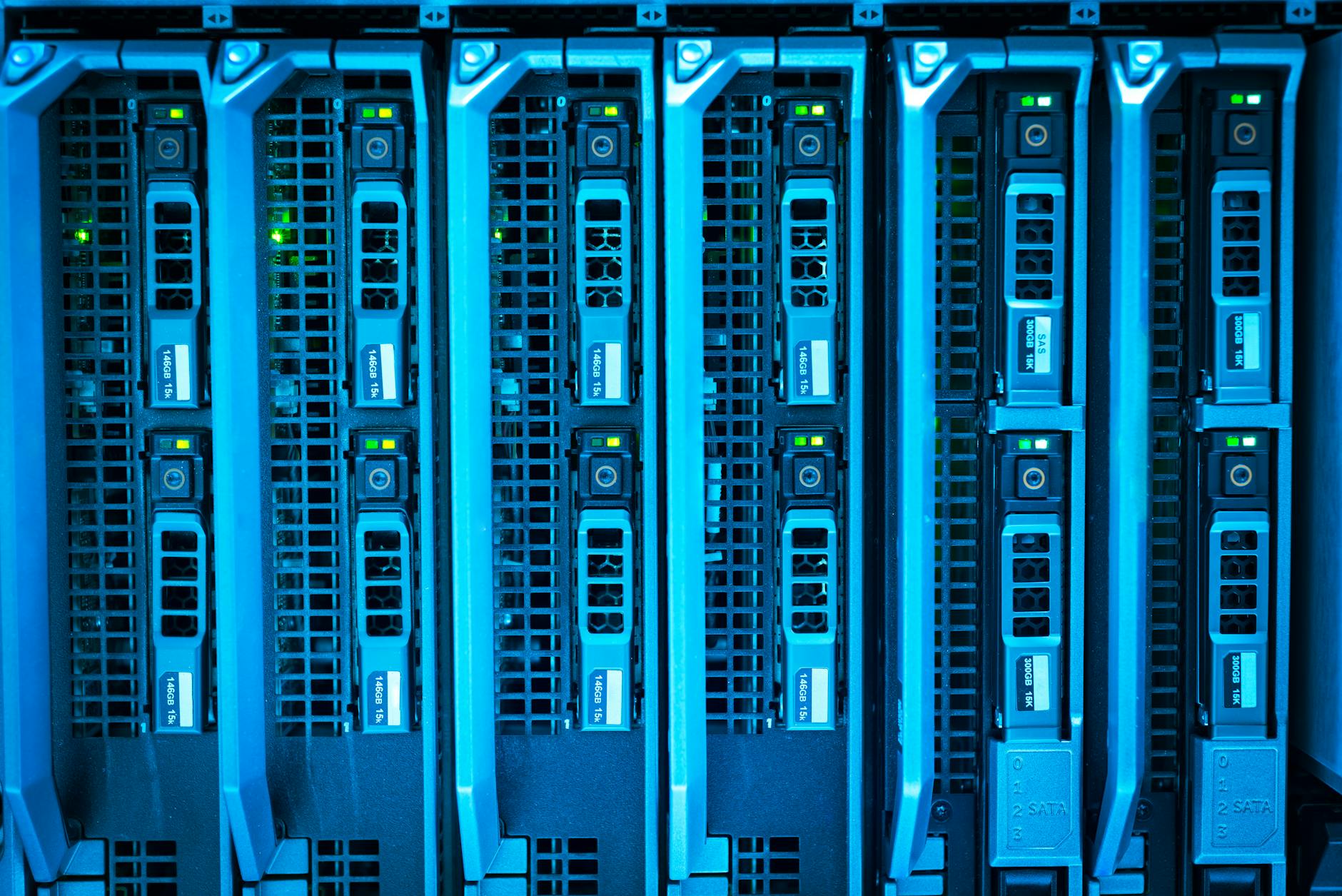
Dell Technologies Inc. delivered one of the most consequential earnings reports in its recent history on May 28, 2026, as demand for artificial intelligence infrastructure redefined the company’s revenue mix and future outlook. For the first quarter of fiscal 2027, which ended May 1, Dell reported total revenue of $43.84 billion, an 88% year‑over‑year increase that significantly exceeded Wall Street expectations. Adjusted earnings per share came in at $4.86, far above consensus estimates and providing a striking demonstration of the magnitude of Dell’s AI‑driven growth trajectory.
The highlight of Dell’s performance was its AI‑optimized server business, where revenue soared to $16.1 billion, up a staggering 757% from the prior year. That figure not only illustrated the exponential growth of the company’s AI hardware sales, but also marked the first quarter in which AI server revenue overtook Dell’s traditional PC segment, which generated $14.6 billion. Industry observers interpret this shift as a structural realignment in Dell’s business, underscoring the dominance of enterprise AI workloads and cloud infrastructure spending in shaping hardware demand.
In response to this performance, Dell raised its full‑year fiscal 2027 revenue forecast to a range of $165 billion to $169 billion, up sharply from a prior outlook of $138 billion to $142 billion. The company also boosted its expected full‑year adjusted earnings per share to $17.90 from $12.90, reflecting confidence in sustained growth across its infrastructure offerings. Crucially, Dell updated its forecast for AI server revenue, now targeting approximately $60 billion for the fiscal year, compared with the previous estimate of $50 billion.
Executives emphasized that the revenue mix shift was not a one‑off. Growth was broad‑based across the company’s Infrastructure Solutions Group, which includes servers, storage, software and networking, and posted a 181% year‑over‑year increase in quarterly revenue. In contrast, the Client Solutions Group — home to Dell’s PC business — grew 17%, a respectable gain but now overshadowed by the explosive growth of AI infrastructure sales.
The market reaction was immediate and significant. Dell’s shares surged sharply in extended trading following the earnings release and guidance update, one of the largest single‑day gains since the company’s return to the public markets in late 2018. Analysts noted that Dell’s ability to capitalize on the AI server buildout — particularly through strategic pricing and supply chain prioritization — positioned it as a key beneficiary of the ongoing enterprise and hyperscale data center expansion.

Industry spending on AI infrastructure has reached unprecedented levels, with major technology companies and cloud providers committing hundreds of billions to data center buildouts capable of training and serving generative AI models. According to market intelligence cited by Reuters, U.S. tech giants alone plan to spend over $700 billion on AI infrastructure in the current period, driving strong demand for server OEMs such as Dell, Super Micro Computer, and Hewlett Packard Enterprise.
Analysts have drawn parallels between Dell’s performance and broader technology demand patterns. The company’s AI server backlog, which represents orders received but not yet fulfilled, expanded significantly during the quarter, giving Dell enhanced visibility into future revenue streams and indicating that demand is not likely to abate quickly. This backlog development suggests a sustained investment cycle in AI compute hardware as enterprises and cloud providers race to build competitive capabilities in large language models, machine learning and other AI workloads.
From a competitive perspective, Dell’s momentum reverberated across the server ecosystem. OEM peers such as Super Micro and Hewlett Packard Enterprise experienced share price gains in sympathy with Dell’s results, as investors reassessed the strength of AI infrastructure demand across hardware vendors. Market intelligence also suggests that Dell’s share of the OEM AI server and systems market may be approaching significant proportions, potentially outpacing competitors as enterprise AI deployments proliferate.
Despite the strong overall performance, Dell executives acknowledged ongoing challenges. Memory and semiconductor component supply constraints have created pricing pressures and supply chain complexity, which the company has managed through daily repricing strategies and prioritization of high‑value orders. While these tactics have helped Dell capture market share and drive revenue growth, they also underscore a broader industry dynamic in which component shortages and lead‑time pressures could temper near‑term supply fulfillment.

For the PC business, the narrative is one of resilience amid transformation. While AI server revenue stole the spotlight, Dell’s PC segment continued to grow, buoyed in part by enterprise refresh cycles and demand for AI‑ready endpoints. However, the relative magnitude of the server segment’s expansion suggests that the company’s future growth profile will rest increasingly on infrastructure and enterprise solutions rather than traditional hardware categories.
The implications of Dell’s earnings extend beyond the company itself. As a major channel to enterprise and hyperscale customers, Dell’s performance reflects broader trends in IT capital expenditure, where investments in AI and cloud‑native infrastructure are displacing legacy upgrade cycles. This trend is reshaping vendor priorities, supply chain allocations, and investment targets across semiconductors, memory, networking, and storage technologies.
Looking forward, Dell’s raised forecasts have prompted multiple analyst firms to revisit their price targets and long‑term earnings models. Several brokerages have lifted Dell’s target prices based on the strength of the AI server narrative and enhanced growth visibility. These revisions indicate increased investor confidence in Dell’s ability to sustain high growth rates, even as industry component dynamics and competitive pressures evolve.
In summary, Dell’s May 2026 earnings report and subsequent guidance raises offer a snapshot of how AI infrastructure demand is reshaping the technology hardware landscape. By transitioning its revenue base from PCs to AI servers and data center solutions, Dell has not only exceeded market expectations but also established itself as a key driver of enterprise technology investment in the AI era. The company’s performance provides a leading indicator of broader structural shifts in tech capital expenditure, influencing hardware suppliers, cloud partners, and enterprise IT buyers as they navigate the intensifying race to build and deploy AI capabilities at scale.