Andrew Ross Sorkin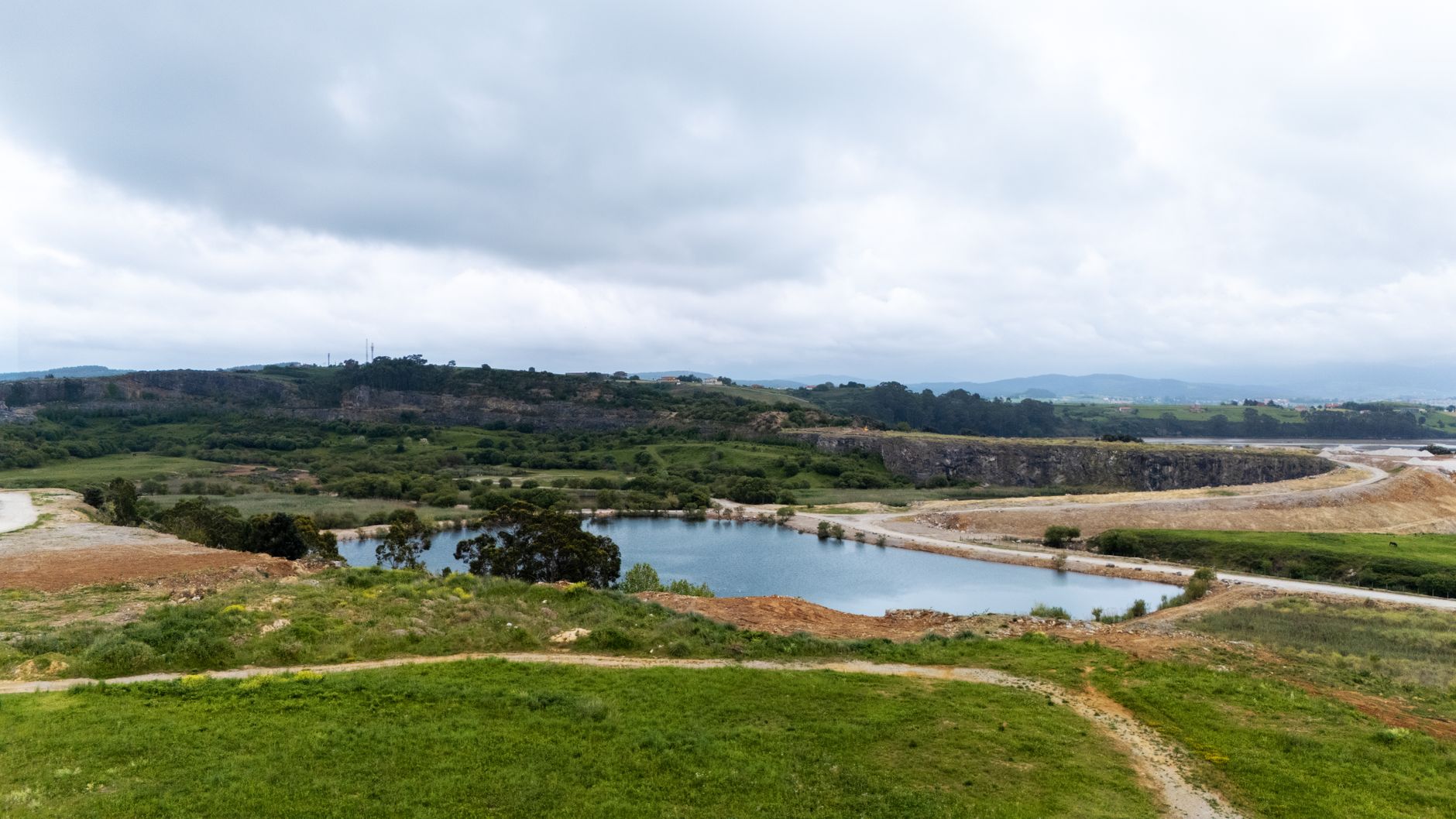
Almonty Industries Inc. has secured a long-term commercial outlet for tungsten expected to be recovered from waste material at its Los Santos Mine in Spain, signing a multi-year offtake agreement with Wolfram Bergbau und Hütten AG, a tungsten producer and processor owned by Sweden’s Sandvik Group.
The agreement centers on the retreatment, or recycling, of the existing tailings stockpile at Los Santos rather than an immediate return to conventional extraction from the mine itself. Almonty said the contract covers a minimum of approximately 1,720 tonnes of contained tungsten trioxide, commonly expressed as WO₃, and is structured on a take-or-pay basis. The arrangement also provides for a conditional one-time payment of $3 million for the offtake rights.
The structure gives Almonty a committed customer before the Spanish operation resumes production and provides capital that can contribute to reactivating the processing plant. For Wolfram Bergbau und Hütten, or WBH, the agreement offers an additional source of European-origin tungsten concentrate at a time when traceability, geopolitical exposure and access to non-Chinese raw materials have become increasingly important across the global critical-minerals market.
Los Santos is an open-pit scheelite skarn operation roughly 50 kilometers south of Salamanca in western Spain. The mine has been under planned care and maintenance since February 2020. Under Almonty’s current approach, the initial restart is focused on extracting additional tungsten from material that was mined and processed during the operation’s earlier producing life but left behind in tailings.
That distinction is commercially important. Bringing a traditional mine from discovery through permitting, construction and production can require years of development and substantial capital. A tailings-retreatment project can potentially bypass parts of that process because the material is already above ground and key site infrastructure may already exist. Almonty is therefore presenting Los Santos as a relatively rapid potential addition to Western tungsten supply rather than as a conventional new-mine development.
The company said continuing tests and trials have improved WO₃ recovery from the Los Santos tailings. The planned commercial restart would depend on successful plant reinstatement, satisfaction of the contract’s conditions and the ability to achieve the expected recovery performance at scale. Almonty’s regulatory filing also makes clear that the cumulative minimum volume commitment remains subject to the agreement’s terms, including provisions under which the arrangement could be terminated before the full volume has been delivered.
The take-or-pay structure nevertheless gives the project a more defined commercial framework than an uncontracted restart. Such agreements generally require a buyer to purchase agreed quantities or make contractual payments when committed volumes are not taken, subject to the specific terms and conditions governing the contract. Almonty has also said pricing is index-linked and includes a price floor, providing another layer of revenue visibility if production begins as planned.
For Sandvik’s tungsten operations, the deal expands access to feedstock for an established European refining and powder-manufacturing chain. WBH operates an underground scheelite mine at Mittersill in Austria and a recycling, refining and powder manufacturing complex at St. Martin im Sulmtal in Styria. The operation processes material from its own mine together with tungsten concentrate obtained from other sources and recycled secondary tungsten materials.
WBH has been part of the Sandvik Group since 2009 and produces tungsten oxide, tungsten metal and tungsten carbide powders. Those materials feed powder-metallurgy and hard-metal applications, including industrial tooling and other products where tungsten’s hardness, high melting point and density make it difficult to replace without performance tradeoffs.
The Los Santos arrangement also fits directly with WBH’s existing reliance on recycling. At its Austrian refining operation, primary concentrates are processed alongside secondary tungsten-bearing materials. Almonty’s project extends that recycling concept further upstream by recovering additional metal from tailings generated by an earlier mining and processing cycle.

The timing of the agreement is significant because tungsten supply chains are being reshaped by policy as well as industrial demand. China remains the dominant global tungsten producer. U.S. Geological Survey data show that China has accounted for more than four-fifths of world mined tungsten production in recent years, leaving downstream manufacturers heavily exposed to decisions affecting Chinese output, trade and export policy.
That concentration has become a more visible business risk as governments in the United States and allied markets seek to diversify strategic mineral supply. The USGS noted in its 2026 tungsten review that China remained the leading producer, importer and consumer of tungsten concentrates, while tungsten prices rose sharply during 2025 amid policy changes, including Chinese export controls on selected tungsten items and increased U.S. tariffs on certain Chinese tungsten products.
For companies serving defense-linked customers, the regulatory timetable adds further urgency. U.S. Defense Federal Acquisition Regulation Supplement rules become more restrictive beginning January 1, 2027. For specified tungsten products, the restriction extends through the supply chain to mining or production of tungsten ore or feedstock, including recycled material, when that material originates in covered countries.
The rules identify China, Russia, North Korea and Iran as covered countries under the relevant restrictions. The change increases the importance of being able to document raw-material origin rather than establishing compliance only at a later manufacturing stage. In that environment, concentrate recovered in Spain and processed in Austria may carry strategic value beyond the physical quantity of metal involved because its origin can be traced within the European Union.
Almonty said the agreement gives WBH a documented non-Chinese, EU-origin feed source for a refining system supplying Western hard-metal and powder-metallurgy markets. The company has explicitly connected the commercial logic of the contract to tightening defense procurement requirements and the broader industrial push to establish supply chains that are less dependent on restricted jurisdictions.
The minimum contracted quantity of about 1,720 tonnes of contained WO₃ is relatively modest compared with annual global mine production, but the project’s significance lies partly in how the metal is being sourced. Rather than waiting for a new deposit to move through a full mine-development cycle, Almonty is attempting to create incremental supply from material already accumulated at an established site.
If commercially successful, the approach could also strengthen the economics of historic mining assets whose tailings were created when recovery technology, commodity prices or processing priorities were different. Tailings can retain economically meaningful quantities of metal where earlier processing methods captured less of the mineral than more modern techniques can recover.
Almonty has indicated that it views Los Santos as a model that could potentially be applied elsewhere. Chief Executive Lewis Black said the company could consider similar technology at its Panasqueira operation in Portugal and at other European sites with existing tailings inventories. Such expansion remains prospective, however, and the immediate transaction announced on September 17 relates specifically to the Los Santos stockpile and the WBH offtake agreement.
That focus is important for investors because the contract itself does not mean Los Santos has already restarted. The mine remains in care and maintenance, and commercial deliveries depend on the processing plant being returned to service and on tailings retreatment performing as intended. The $3 million payment is also described as conditional, meaning the financing benefit is tied to fulfillment of specified contractual requirements rather than representing unrestricted proceeds immediately detached from execution risk.
The deal therefore combines a strategic supply-chain narrative with conventional project-level operating risk. Almonty must reactivate equipment, process historic tailings successfully, meet concentrate specifications and deliver contracted volumes. WBH, meanwhile, is securing future feedstock rather than receiving tungsten from a currently operating Los Santos production line.

Still, securing an offtake customer before restarting the plant reduces one major uncertainty: where the recovered concentrate will be sold. A defined buyer can also support capital planning because prospective production has an identified route into a downstream processing system. The conditional upfront payment further aligns the buyer with the planned restart by sharing part of the financial burden associated with bringing the site back into operation.
The agreement also broadens Almonty’s positioning within the Western tungsten market. The company already operates the Panasqueira mine in Portugal and is developing its Sangdong project in South Korea, while pursuing other initiatives intended to increase supply outside China. Los Santos adds a different type of asset to that portfolio because its first phase is based on reclaiming historic material instead of relying on fresh mining.
For Sandvik, the contract supports vertical supply-chain resilience around tungsten, a core input for cemented carbide and advanced tooling. Sandvik’s exposure to machining and industrial customers makes reliable access to tungsten powders and upstream feedstock strategically relevant, particularly when raw-material markets are affected by trade controls, defense procurement rules and geopolitical concentration.
WBH’s Austrian operation already integrates mining, recycling, refining and powder production. Adding Spanish tailings-derived concentrate diversifies the feed mix while retaining an EU origin. The combination of primary mining and recycling is also consistent with the tungsten industry’s longstanding focus on recovering carbide scrap and other secondary material because tungsten is valuable, technically demanding to produce and often suitable for repeated recovery cycles.
The transaction comes as critical-mineral sourcing increasingly influences corporate procurement decisions that once centered more narrowly on price and technical specifications. Buyers are now assessing where material was mined, how it was processed, whether its origin can be verified and whether future regulations could prevent its use in sensitive end markets.
For tungsten, those considerations are particularly pronounced because of China’s dominant share of mine supply and the material’s importance in defense, industrial machinery, electronics and high-performance manufacturing. The narrowing of acceptable supply sources in certain U.S. defense applications increases the commercial value of material that can be traced to allied jurisdictions even when those volumes do not fundamentally alter the global supply balance.
Almonty’s agreement with WBH therefore represents more than a conventional sales contract for a restarted mine. It connects mine-waste recovery in Spain, industrial processing in Austria, a Swedish engineering group and changing U.S. defense sourcing requirements in a single supply-chain arrangement.
The next milestones will be operational. Investors and customers will be watching for evidence that the Los Santos processing facility can be reinstated on the expected schedule, that tailings recovery rates demonstrated during testing can be reproduced commercially and that first concentrate can move into WBH’s system under the agreed terms.
Until those steps occur, the 1,720-tonne minimum remains a forward contractual commitment rather than delivered production. But the agreement gives Almonty a buyer, a defined pricing framework and conditional customer capital before startup, while giving Sandvik’s tungsten subsidiary a future stream of documented European feedstock at a moment when origin is becoming an increasingly important component of tungsten’s market value.