Andrew Ross Sorkin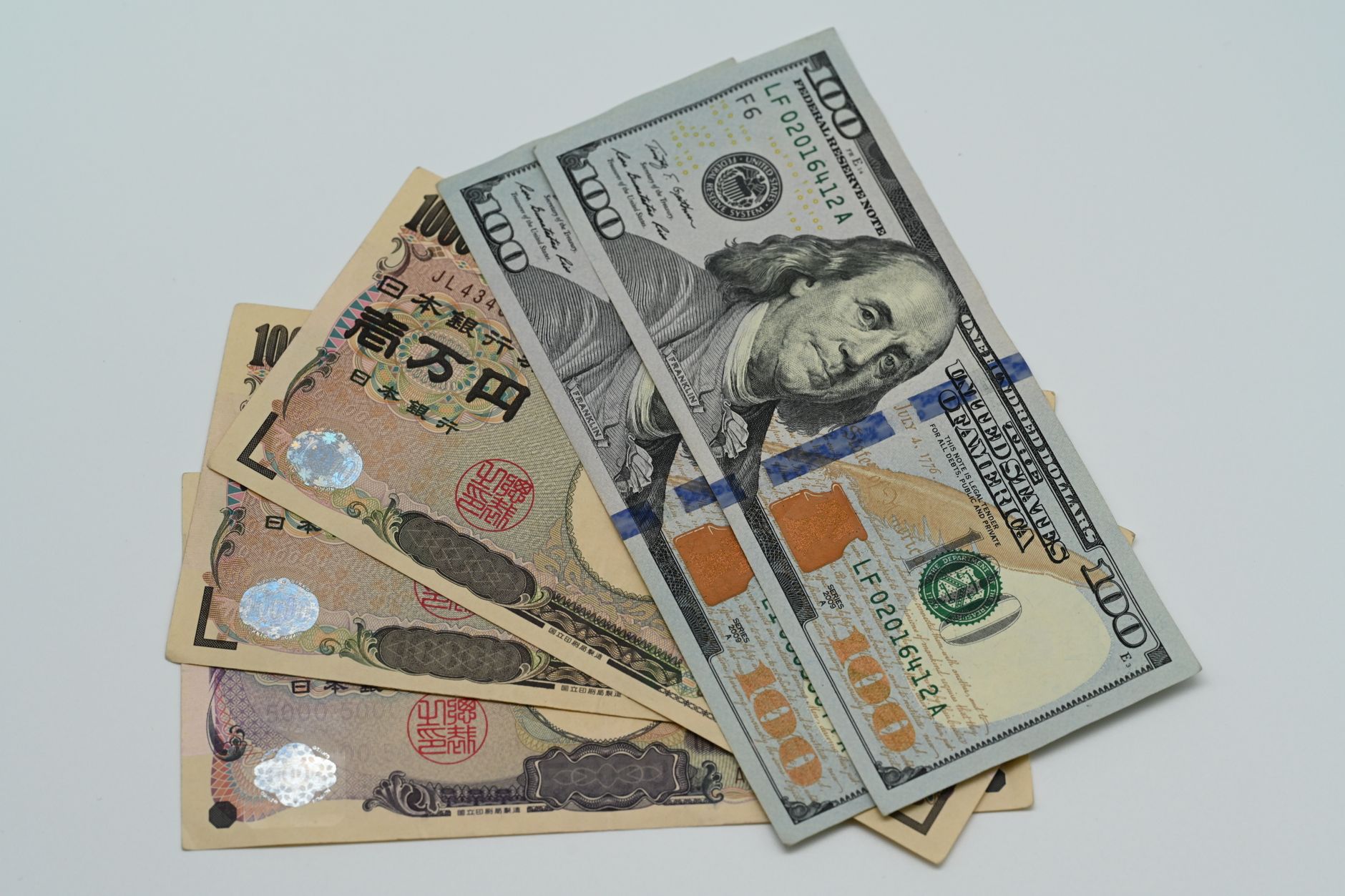
Tokyo — Japan’s real wages continued an upward trajectory in April 2026, extending a streak that now spans four consecutive months and strengthening the case for another interest rate increase by the Bank of Japan (BOJ) at its June meeting. Government data released Friday showed inflation‑adjusted wages rose 1.9 % from a year earlier, propelled by a combination of higher nominal earnings, one‑off special payments and sustained demand for labor. The persistent gains in real wages, alongside other recent macroeconomic indicators, have intensified scrutiny of the BOJ’s policy direction as it navigates a complex mix of inflation benchmarks, domestic consumption trends and external price shocks.
According to the Ministry of Health, Labour and Welfare, nominal cash earnings — which include base pay, overtime and special bonuses — increased 3.5 % in April year‑on‑year, the fastest pace recorded since December 2024. That marked the first time in over three decades that wage growth has exceeded 3 % for three successive months, highlighting a significant pickup in compensation trends that policymakers have been monitoring closely. Special payments — one‑off bonuses that can reflect corporate profitability and labor market tightness — jumped 7.4 %, reversing a revised decline in March and contributing materially to the overall earnings figure.
Base earnings for full‑time workers rose 3.4 %, a figure that has remained above the 3 % threshold for several months, suggesting that underlying wage pressures are not solely due to sporadic bonus payments but also reflect structural improvements in labor compensation. Overtime pay expanded by 4.2 %, indicating strong labor utilization amid tight labor market conditions in key sectors. Taken together, these wage dynamics underscore renewed momentum in household income, a necessary foundation for broader consumer demand and inflation persistence.
Consumer price inflation, however, paints a more nuanced picture. Official inflation measures used to calculate real wage adjustments showed annual headline inflation at roughly 1.5 % in April, slightly down from March’s reading, and still below the BOJ’s 2 % target. Various sectors of consumer prices — including transport, housing and recreation — recorded slower year‑over‑year increases, influenced by government subsidies designed to offset the cost of energy and food following import price pressures from the yen’s weakness. MEANWHILE, core inflation measures that strip out volatile food and fuel components have remained below target for several months.

The divergence between strengthening wages and subdued headline inflation presents a central paradox for the Bank of Japan as it weighs the timing and magnitude of further policy tightening. Unlike many advanced economies that have grappled with inflation overshooting targets, Japan has struggled for decades to generate sustained price pressure, owing in part to entrenched deflationary expectations and structural labor market characteristics. Real wage gains have been intermittent in recent years, with substantial contraction throughout 2025 as wage increases lagged rising prices. The recent string of positive real wage prints thus marks a meaningful shift in economic dynamics.
Monetary policy deliberations in Tokyo have reflected these competing forces. The BOJ exited an extended era of near‑zero interest rates and ultra‑loose stimulus in 2024 and has undertaken a series of gradual rate hikes since, lifting the policy rate to 0.75 %. At the April policy meeting, however, the BOJ held rates unchanged but revealed internal debate and hawkish sentiment among several board members advocating for earlier and more decisive tightening. Signals from Governor Kazuo Ueda in recent speeches and policy discussions have underscored the central bank’s attentiveness to inflation risks, particularly those stemming from external cost shocks such as energy price spikes linked to the ongoing Middle East conflict.
Market expectations — reflected in pricing for interest rate futures and currency markets — increasingly anticipate another BOJ rate increase at the June 15–16 meeting. Traders and economists have placed meaningful probability on the BOJ lifting rates to at least 1.0 %, citing steady wage growth and ongoing price pressures from imported inflation as critical inputs. Nonetheless, the BOJ’s historical caution in balancing inflation concerns against risks to economic growth and financial stability continues to temper expectations for a more aggressive tightening cycle.
Beyond monetary policy, Japan’s broader economic performance has shown mixed signals. First‑quarter GDP figures released earlier in May surprised to the upside, with growth outpacing forecasts on the back of stronger private consumption and export performance. While this suggests underlying resilience in the economy, analysts note that external risks — including geopolitical tensions and oil price fluctuations — could dampen activity in coming quarters. Persistent strength in wage growth, however, offers a counterbalance, supporting household purchasing power and underpinning consumption trends that have been volatile in recent years.

The yen’s exchange rate remains a focal point for markets and policymakers alike. A sustained weakness in the yen — trading around critical levels against the U.S. dollar — has elevated import costs and influenced inflation dynamics, while prompting warnings from Japanese authorities about potential market intervention. The interplay between currency movements, inflation trajectories and monetary policy settings presents a complex challenge for the BOJ, particularly as real wages rose against a backdrop of currency volatility.
Economists emphasize that real wage growth must be sustained and broad‑based to have lasting impacts on domestic demand and inflation expectations. Temporary or bonus‑driven gains provide limited assurance of a structural shift. Nonetheless, the consistency of real wage increases over multiple months — a pattern not seen in decades — has shifted the narrative among policymakers and market participants toward a more optimistic view of Japan’s labor market and consumption outlook. Sustained real income growth could eventually feed through to higher services prices, loosening the persistent grip of low inflation that has long characterized the Japanese economy.
As the Bank of Japan approaches its next policy meeting, all eyes will be on how fresh wage and price data are interpreted against the backdrop of global economic uncertainty and domestic policy objectives. A rate hike in June would signal a further departure from Japan’s protracted era of ultra‑loose policy and reinforce the view that the central bank is prepared to act decisively in anchoring inflation expectations. Whether this translates into a sustained series of tightening measures remains contingent on forthcoming economic signals, particularly regarding consumer prices and broader demand trends.