Andrew Ross Sorkin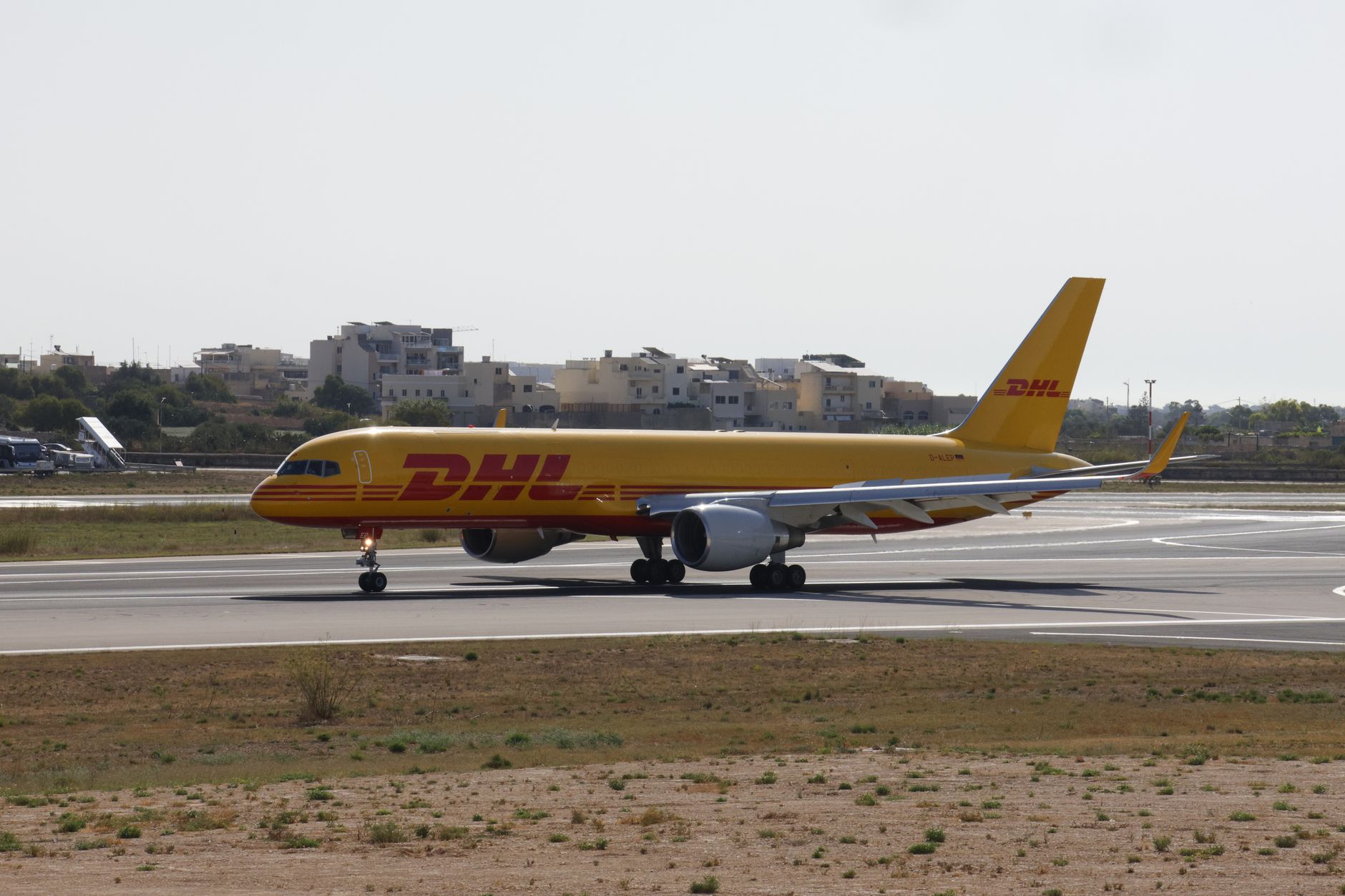
Amazon has suspended cargo operations with 21 Air following the deadly runway overrun of an Amazon-branded Boeing 767 at Miami International Airport, removing a carrier that had become part of the retailer’s expanding air-freight network and shifting attention toward how quickly that flying can be reassigned. Amazon spokesperson Kelly Nantel said the company had spent time supporting the investigation and reviewing circumstances surrounding the accident before deciding to pause operations with 21 Air, the operator of Flight 7598. Amazon’s public update announcing the decision was posted Sept. 13.
The suspension follows the Sept. 6 accident involving 21 Air Flight 7598, a Boeing 767-33A operating a cargo flight from San Juan, Puerto Rico, to Miami under federal Part 121 rules. The aircraft overran the end of Runway 30 while landing, continued beyond the airport pavement and struck vehicles. Five people died and five others were injured. According to the Associated Press, all five fatalities were occupants of a van carrying workers for an aircraft-cleaning company. The accident immediately became both a major aviation-safety investigation and a significant issue for Amazon because the aircraft was operating within its branded air logistics network.
Amazon’s action does not amount to a final determination about what caused the crash. The National Transportation Safety Board has emphasized that the information released from the cockpit voice recorder and flight data recorder is preliminary and subject to change. The agency’s investigation remains open, and its eventual probable-cause determination will consider a much broader set of evidence than the recorder excerpts released during the first days after the accident. Investigators are expected to examine crew actions, air traffic control, aircraft maintenance, operating procedures, environmental conditions and the airline’s broader practices before reaching final conclusions.
The preliminary recorder evidence nevertheless provides a detailed picture of the final minutes of Flight 7598. The NTSB said that roughly one minute and 42 seconds before the cockpit recording ended, one pilot cautioned that the aircraft was too fast. Additional comments about excessive speed followed, and investigators said there was not a consistent verbal response to those comments. Automated cockpit warnings recorded during the approach included repeated “sink rate” and “too low terrain” alerts. Sounds consistent with touchdown were recorded about 31 seconds before the cockpit recording ended, followed approximately 16 seconds later by a pilot calling for a go-around.
Flight-data information released by the agency adds another layer to the sequence. The nose and right main landing gear touched down at a recorded groundspeed of 158 knots. Brakes were applied at 146 knots, while the left main gear touched down later at 134 knots. The brakes were then released and the throttles increased to a level consistent with go-around thrust before the throttles were reduced to idle and braking resumed. The aircraft was still traveling at 117 knots at that point. The NTSB said recorded data showed no indication that the speed brakes or thrust reversers were deployed before the recording ended.
Those data are significant because a runway overrun can result from a combination of factors rather than a single failure. Approach stability, touchdown point, aircraft configuration, braking effectiveness, runway conditions, weather, crew coordination and decisions about whether to continue an approach can all affect stopping distance. The NTSB has not assigned responsibility for the Miami crash, and its preliminary timeline should not be interpreted as a final finding about pilot actions, aircraft systems or 21 Air’s operating procedures. The agency has said it will produce a written cockpit transcript later in the investigation.
For Amazon, the immediate decision was whether to continue placing cargo aboard aircraft operated by 21 Air while those questions remained unresolved. The company initially said after the crash that it would cooperate with investigating authorities and coordinate with the carrier. By Sept. 13, Amazon had moved to a suspension. Nantel said safety was a priority both within Amazon’s own operations and when the company worked with partners, adding that Amazon would continue supporting the investigation and people affected by the accident.
The change matters because Amazon Air is structured around partnerships with certificated cargo airlines rather than an entirely self-operated fleet. Amazon typically supplies or arranges aircraft while partner airlines provide the crews, maintenance and insurance necessary to operate flights. That approach has helped Amazon develop an air network connecting distribution hubs and major markets without building a conventional airline from the ground up. It also means a safety or operational problem at an individual contractor can force Amazon to redistribute flying across other providers.

21 Air had been carrying Amazon freight since 2024. Associated Press reporting based on aviation analytics firm Cirium said the North Carolina carrier leases its 18-aircraft fleet, consisting of 13 Boeing 767s and five Boeing 757s, with at least six aircraft leased from Amazon affiliates and at least three from DHL. FreightWaves reported that the carrier had been operating seven 767-300s for Amazon before the suspension. The difference between an airline’s total fleet and the aircraft assigned to a particular customer is important because the pause affects dedicated capacity inside Amazon’s network rather than simply one airplane.
Replacing that capacity can be straightforward for individual flights but more complicated across a sustained schedule. Amazon already works with multiple cargo operators, giving it alternatives for reallocating routes. FreightWaves reported that two cargo-airline executives expected existing Amazon partners ABX Air and Air Transport International, both owned by Air Transport Services Group, to be among the carriers capable of absorbing some flying. That expectation has not been announced by Amazon as a formal replacement plan, however, and the exact allocation of 21 Air’s former routes has not been publicly detailed.
The timing adds another consideration. The retail and parcel sectors begin increasing capacity ahead of the holiday shopping season, with air networks typically becoming busier as inventories move and delivery volumes rise. FreightWaves cited a former Amazon logistics executive who said replacing all of 21 Air’s lift could become more difficult by the late-October start of peak shipping activity because airlines may have aircraft available but insufficient pilot capacity to add significant flying. Amazon, however, has indicated that the pause is expected to have little or no material impact on customers, suggesting the company believes its network has enough flexibility to absorb the interruption in the near term.
The distinction between a temporary suspension and a permanent termination is also important. Amazon has described its move as a pause rather than announcing that it has ended the commercial relationship. That gives the retailer room to evaluate further findings from investigators and conduct its own review of the contractor before making a longer-term decision. If Amazon ultimately chose to permanently reassign aircraft, the process could be more complicated than changing scheduled routes. FreightWaves reported that aviation experts said moving multiple leased aircraft from one airline’s operating certificate to another could require extensive regulatory, training and staffing work.
The implications also extend to 21 Air. Amazon was a substantial customer, and the loss of dedicated flying creates immediate commercial uncertainty for a carrier whose fleet is largely leased. The Associated Press reported that 21 Air also transports packages for DHL. DHL spokesman Robert Mintz declined to say whether the delivery company would continue using the carrier, citing the ongoing investigation and sensitivity surrounding the accident, while saying DHL routinely evaluates its network and service-provider relationships.
21 Air, for its part, has said it remains focused on supporting the families and others affected by the crash and on working with the NTSB and business partners. The carrier also said it was confident in its safety policies, procedures and training. That position illustrates why the federal investigation will be critical to the company’s commercial future: preliminary flight information can raise operational questions, but customers, regulators and insurers will ultimately be looking for a comprehensive account of what happened and whether any findings identify broader issues requiring corrective action.
The aircraft involved in the accident was itself part of a category of older passenger jets that have been converted for freight operations. AP reported that the 32-year-old Boeing 767 had originally been built as a passenger aircraft, operated for airlines outside the United States for more than two decades and was converted to cargo configuration in 2015. Aircraft age alone does not establish whether a jet is unsafe, and commercial freighters can remain in service for decades under regulated inspection and maintenance programs. Investigators will examine the specific maintenance and operational history of the accident aircraft rather than treating its age as a conclusion about causation.

The Miami accident also highlights the operational visibility that Amazon assumes when aircraft fly with its branding even though another company holds the operating certificate and employs the flight crews. To consumers, the aircraft form part of Amazon’s delivery infrastructure. From a regulatory standpoint, however, the certificated airline remains responsible for flight operations. That split makes contractor selection and oversight commercially important for Amazon because an accident involving a partner can quickly affect the retailer’s reputation, logistics planning and relationships with other aviation providers even before investigators determine responsibility.
Amazon has spent years building more control over transportation between fulfillment centers, sortation facilities and delivery stations, reducing its dependence on traditional parcel companies for portions of the shipping journey. Air freight is one component of that broader network alongside trucks, contracted delivery companies and increasingly sophisticated inventory-placement systems. The presence of multiple air operators gives Amazon redundancy, but incidents such as the Miami crash illustrate a tradeoff inherent in outsourced aviation: operational capacity can be diversified among partners, while safety performance and regulatory compliance remain dependent on each operator’s systems and workforce.
The near-term market question is therefore less whether Amazon can continue moving packages and more how efficiently it can replace the affected flying without creating additional cost or capacity pressure. Reassigning flights to existing operators may require additional crew hours, schedule changes or temporary network adjustments. If the pause lasts into peak season, Amazon may need to balance available aircraft against pilot staffing and maintenance requirements across its contractor base. No significant customer disruption has been announced, and the scale of Amazon’s broader logistics system gives the company options that would not be available to a smaller shipper dependent on a single airline.
For 21 Air, the stakes are proportionately larger. A temporary loss of Amazon flying removes a major source of aircraft utilization while the carrier continues dealing with an intensive federal investigation. Whether other customers alter their relationships could determine how significant the financial consequences become. At the same time, any commercial reaction will unfold before the NTSB reaches a final probable-cause determination, a process that often takes substantially longer than the initial investigative updates released after a major accident.
The central unresolved issue remains what caused Flight 7598 to overrun Runway 30. The NTSB has established a preliminary sequence showing speed concerns during the approach, a touchdown sequence at high groundspeeds, braking, an attempted application of go-around thrust and continued movement beyond the paved surface. It has not yet established why those events occurred or which factors were causal. Investigators still have aircraft records, company procedures, crew training, weather, air traffic communications and other evidence to analyze.
Until that work advances, Amazon’s suspension functions primarily as a risk-management measure rather than a judgment on the investigation’s outcome. It removes 21 Air from Amazon flying while federal investigators continue their work and while the retailer reviews the relationship independently. The commercial consequences will depend on the length of the pause, Amazon’s ability to distribute flights among other operators, the response of 21 Air’s remaining customers and, ultimately, what investigators conclude about the accident. For Amazon’s logistics business, the immediate test is maintaining network reliability. For 21 Air, the investigation and the decisions of major customers now carry potentially significant implications for its future operations.