The UK’s finance minister keeps public guessing over tax hikes

U.K. Chancellor Rachel Reeves outlined a new “Youth Guarantee” initiative to combat unemployment at the Labour Party conference, amidst looming fiscal challenges. Despite promoting youth employment, concerns persist over potential tax increases to address a £50 billion shortfall. Reeves faces pressure balancing economic commitments and public expectations ahead of the Autumn Budget.
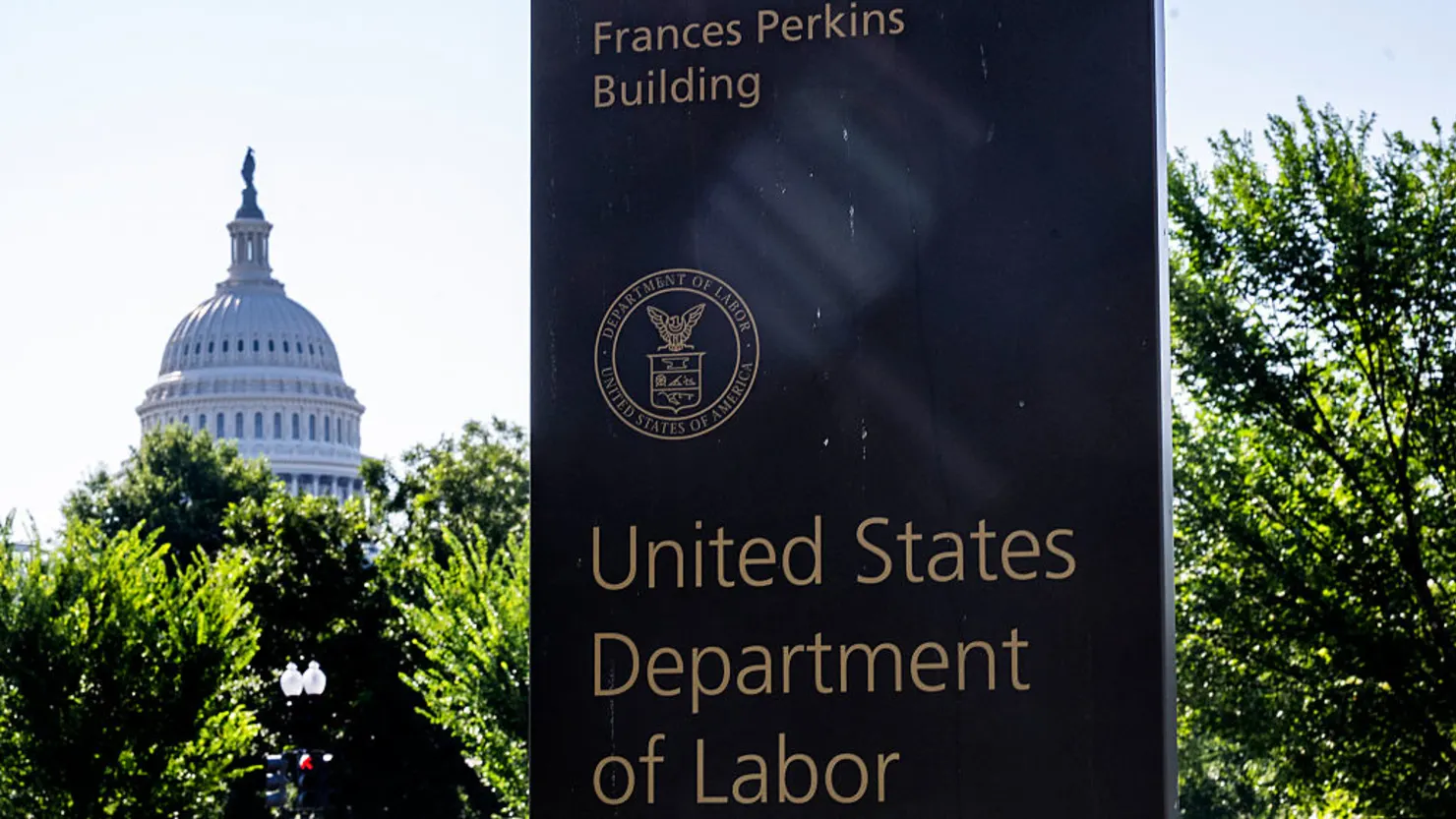
Labor Dept. won’t release Friday’s key jobs report, other data if government shuts down

The U.S. Department of Labor is preparing for a potential government shutdown that would halt crucial economic data releases, impacting investors and policymakers. The Bureau of Labor Statistics would suspend operations, delaying significant reports like employment figures and inflation data. This uncertainty threatens financial markets, especially ahead of the Federal Reserve’s upcoming meetings.

Government shutdowns usually have little economic impact. This time could be different

Government shutdowns usually cause limited economic impact, but this time, potential permanent layoffs of federal employees could lead to significant consequences. Historically minimal disruptions might be exacerbated by a strained labor market. The shutdown could also delay crucial data, impacting monetary policy and household financial stability more severely than previous instances.

Boston Fed President Collins sees caution on future interest rate cuts

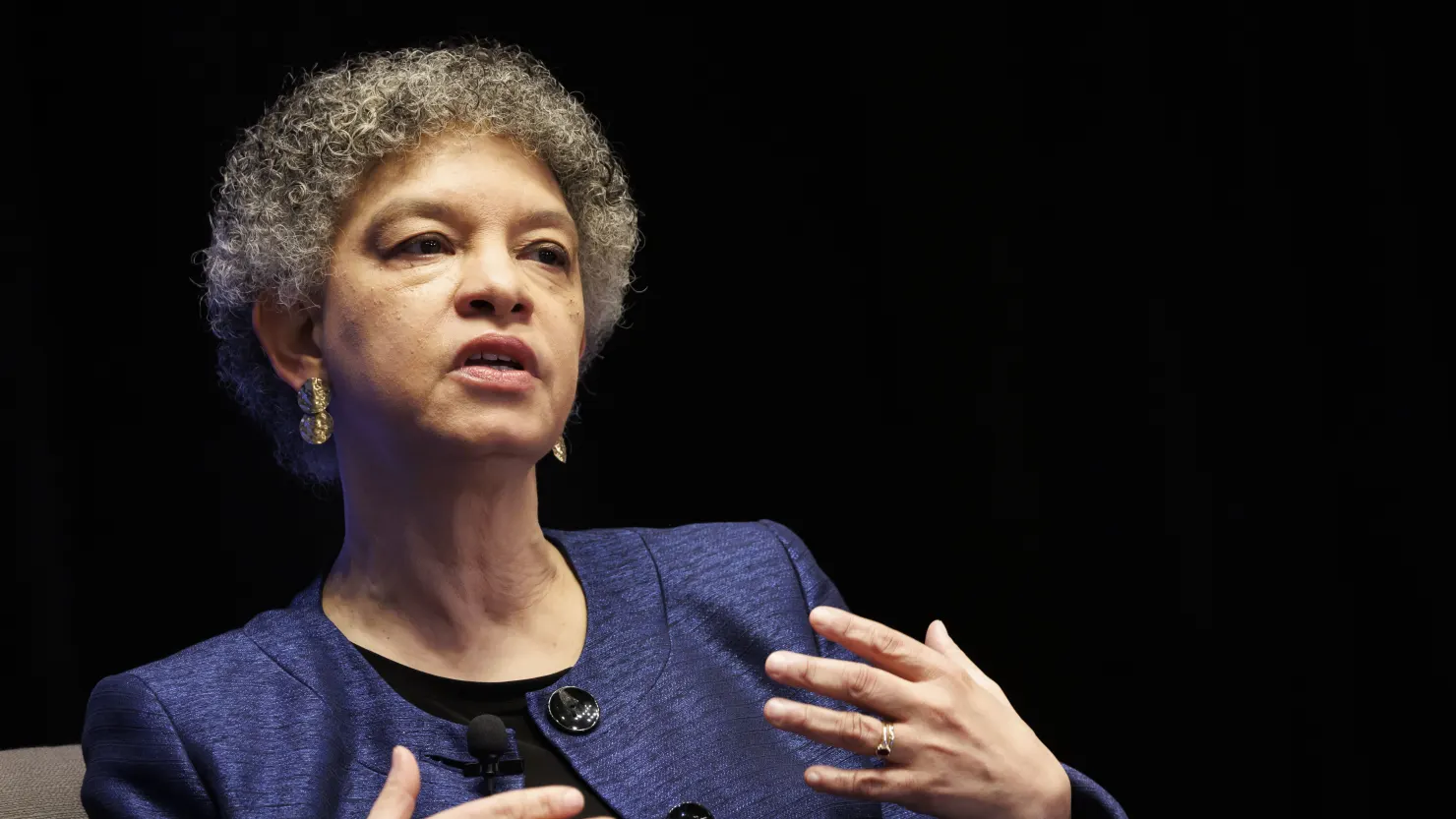
Boston Federal Reserve President Susan Collins supports the recent interest rate cut but warns future reductions must be cautious due to ongoing inflation. She acknowledges challenges from rising inflation and a cooling labor market, advocating a restrictive policy. Collins and Governor Jefferson foresee potential rate cuts amid economic uncertainties and risks.

Consumer confidence is lower than expected as Wall Street braces for shutdown data blackout

Consumer confidence in the U.S. dropped to 94.2 in September, influenced by concerns over a potential government shutdown. The present situation index reached its lowest in a year, indicating increased unease about employment and business conditions. Despite a slight rise in job openings, sentiment regarding personal finances has also weakened significantly.

Private payrolls declined in September by 32,000 in key ADP report coming amid shutdown data blackout

In September, U.S. private sector payrolls fell by 32,000, marking the largest decrease in two and a half years amid economic uncertainty due to a government shutdown. Job losses affected various sectors, while small businesses faced significant cuts. Despite the decline, wages rose 4.5%. Overall hiring momentum is diminishing, raising concerns.

The government shutdown is likely to cement additional Fed interest rate cuts

Analysts suggest that ongoing political gridlock in Washington increases the likelihood of the Federal Reserve cutting interest rates in October. A government shutdown delaying economic data raises concerns about labor market health, prompting cautious Fed actions. Futures indicate strong expectations for rate cuts, with potential ongoing reductions into 2025.

Treasury Secretary Bessent says U.S. GDP could take a hit from the government shutdown

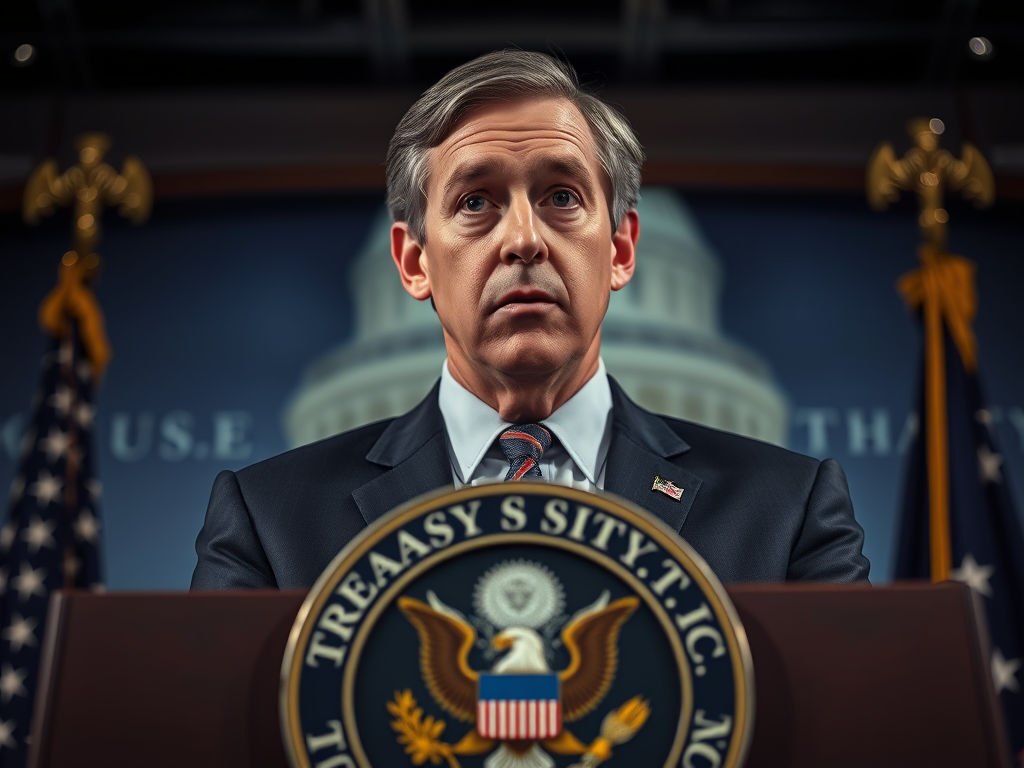
U.S. Treasury Secretary Scott Bessent warned that the ongoing government shutdown risks harming economic growth and workers’ livelihoods. With signs of recovery fading, he highlighted potential drops in GDP and rising challenges for the labor market. Bessent also noted future support for farmers and the ongoing search for a new Federal Reserve Chair.

Treasury Secretary Bessent says U.S. GDP could take a hit from the government shutdown

U.S. Treasury Secretary Scott Bessent warned that the ongoing government shutdown threatens economic growth, possibly reversing gains from recent quarters. While the economy had shown positive momentum, a prolonged shutdown could have severe impacts, especially on the labor market. Bessent affirmed that maintaining stability is crucial amidst political challenges.

Report shows hiring at lowest since 2009 as economists turn to alternative data during shutdown blackout

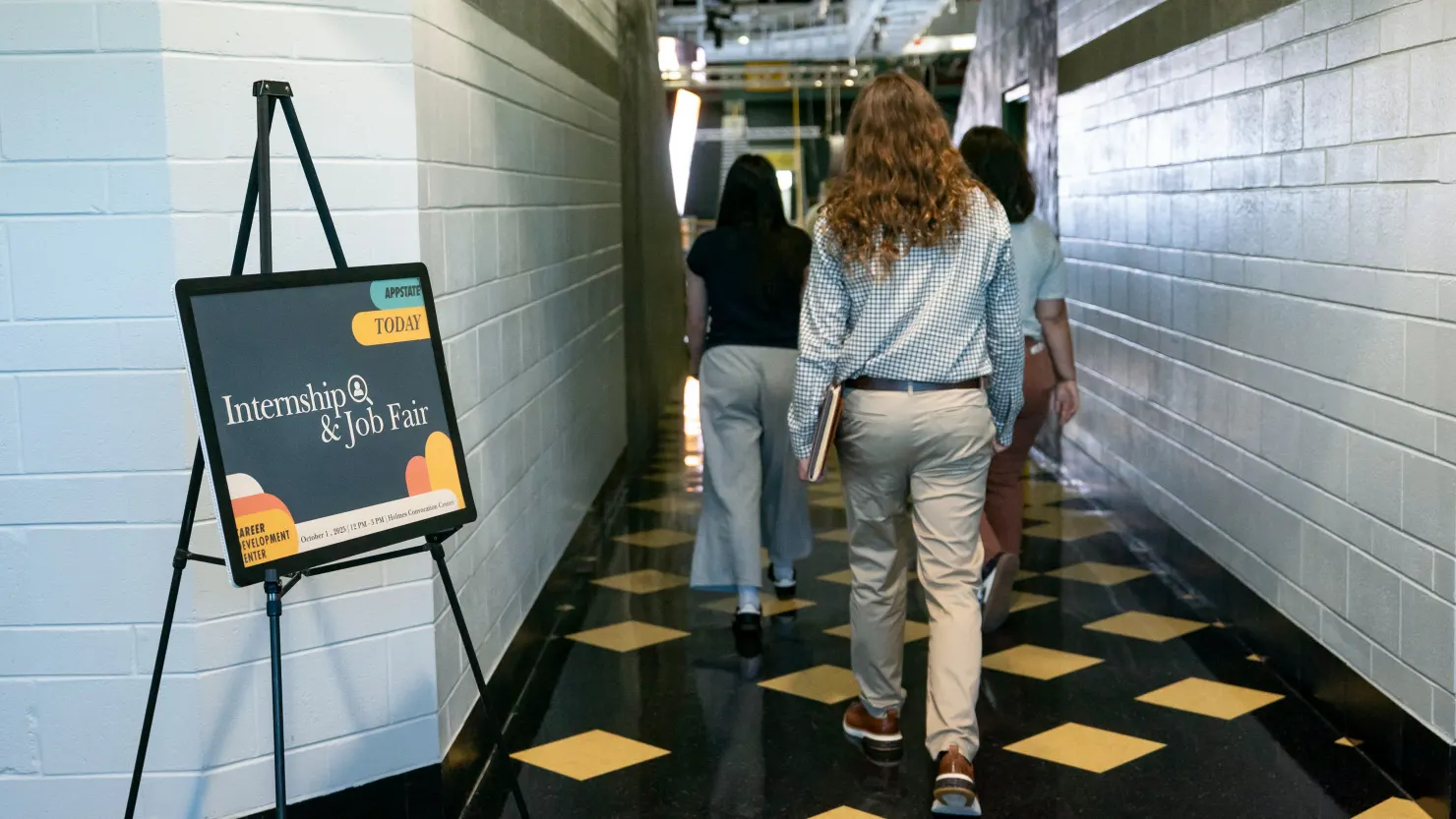
In September, the U.S. labor market remained stable, with the unemployment rate at 4.34%. Hiring slowed significantly, with only 204,939 new hires announced, a 58% drop from 2024, marking the weakest pace since 2009. Layoff announcements fell by 37%, yet total job cut plans in 2025 are at a concerning high.