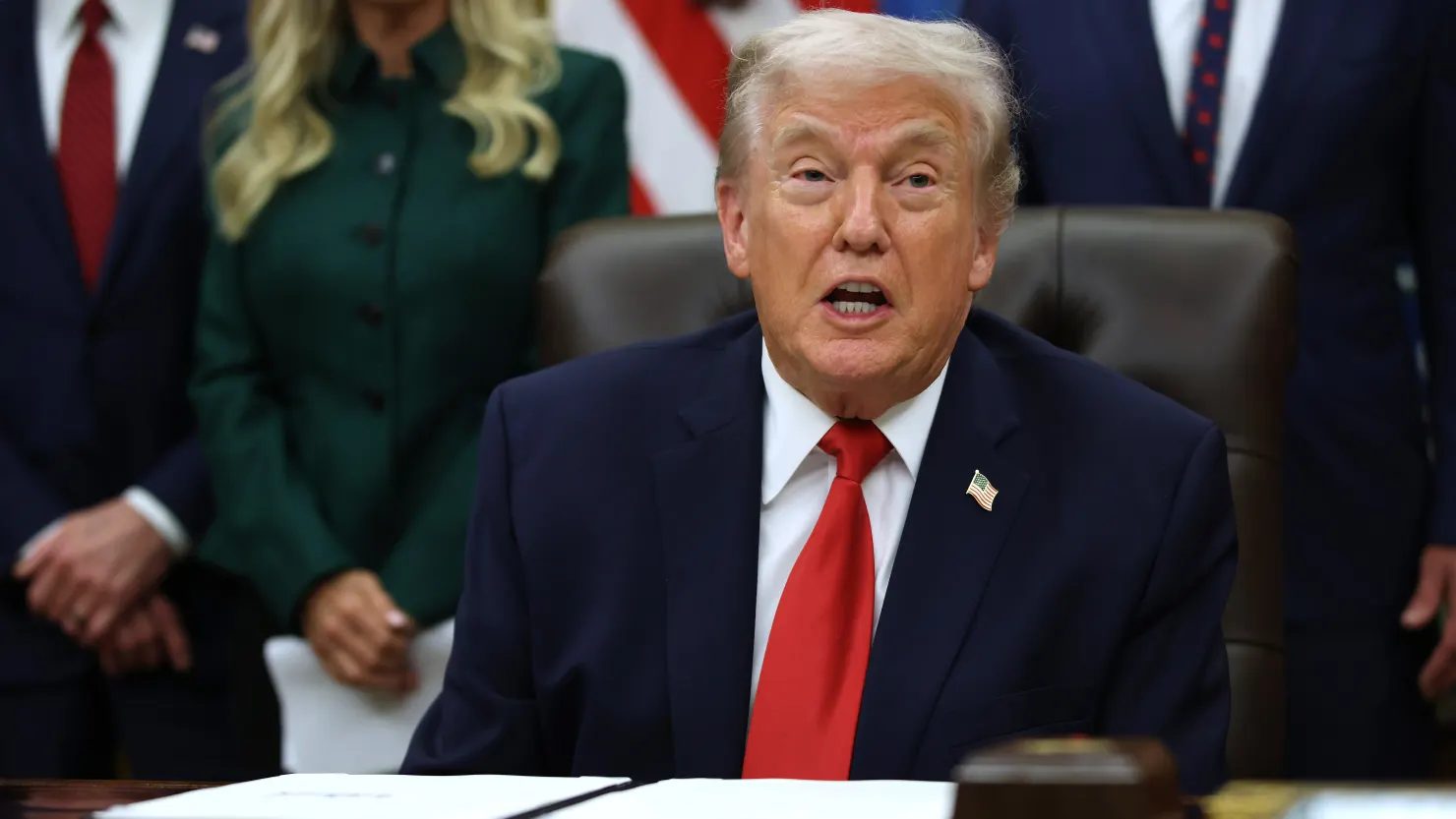
Trump to Announce New Fed Chair Tomorrow

President Donald Trump announced that the decision for the new Federal Reserve Chair is imminent, with an official reveal set for Friday. The selection process, which began in September, narrowed down potential candidates to four finalists, with Kevin Warsh currently leading in speculation. The new chair will significantly influence U.S. monetary policy.

AI spending wasn’t the biggest engine of U.S. economic growth in 2025, despite popular assumptions

Recent research challenges the view that artificial intelligence (AI) is the main driver of U.S. economic growth. While AI contributed to GDP increases, consumer spending remains the primary engine. Adjustments for imports reveal AI’s impact on GDP is smaller than perceived, indicating that strong consumer activity will continue to support economic resilience.

China’s Investment Slowdown: Impacts and Credit Risks

China’s investment slowdown is straining credit across sectors, particularly property and banking. Fixed-asset investment fell 3.8% in 2025, the first annual decline in decades, driven by a property slump and limited local government borrowing. Fitch Ratings downgraded China’s sovereign credit and expressed concerns over rising public debt and sluggish growth prospects.

China Holds Benchmark Rates Amid Economic Slowdown

China’s central bank has kept its lending rates unchanged for eight months, focusing on targeted support for key economic sectors amid slowing growth. Despite a slight GDP uptick, consumer activity remains weak, prompting concerns over domestic demand. While targeted monetary policies are being implemented, broader easing options remain on the table.

November Wholesale Inflation Cools Amid Strong Consumer Spending

In November, wholesale inflation showed signs of cooling, with the Producer Price Index rising 0.2 percent, below expectations. In contrast, retail sales increased by 0.6 percent, reflecting resilient consumer spending. This mixed economic picture highlights persistent inflation at the producer level, raising implications for future monetary policy amid ongoing consumer demand.

Trump’s Premature Job Data Disclosure Raises Concerns

President Trump prematurely disclosed private-sector employment growth data on Truth Social, raising concerns about adherence to federal rules on economic data release. The White House described it as an inadvertent disclosure, emphasizing positive economic trends and contrasting private-sector job growth with government employment declines. This incident highlights the sensitivity of economic statistics.

November Inflation Data Surprises: What It Means for the Market

The November U.S. consumer price data revealed a surprising decline in inflation, with readings lower than expected. However, the report faced scrutiny due to methodological issues stemming from a government shutdown, leaving economists uncertain about its implications. Concerns centered on housing-related inflation and potential biases affecting the results.

November CPI Release: What to Expect Post-Government Shutdown

Wall Street is closely watching the upcoming November Consumer Price Index report, the first inflation data since the U.S. government shutdown. Economists anticipate a 3.1% year-over-year inflation rate, but caution arises due to incomplete data. Mixed economic signals challenge clarity, and the report may influence market expectations for monetary policy in 2026.