Nvidia Flags Revenue Hit as New U.S. AI Chip Export Curbs Tighten on China
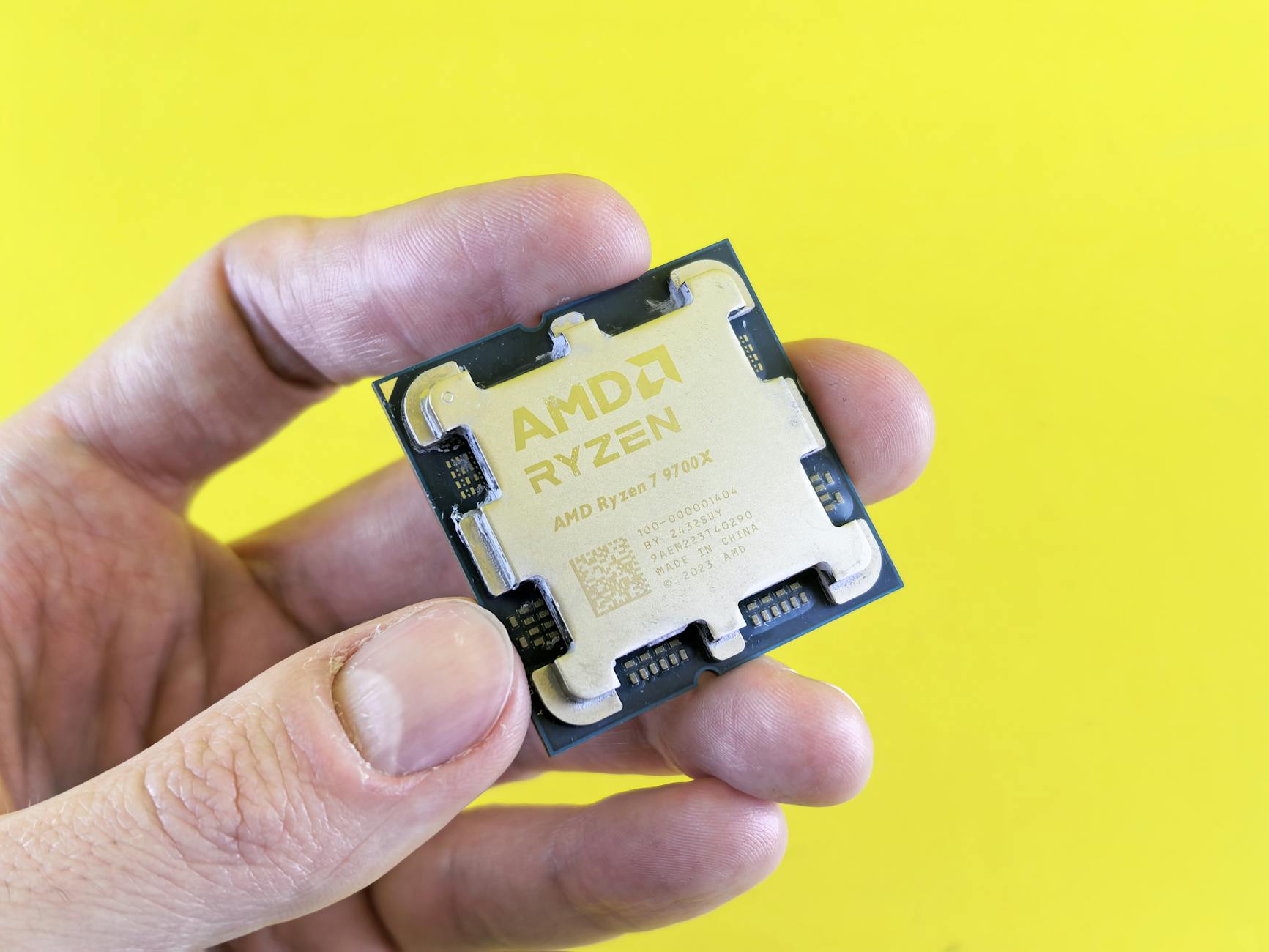
Nvidia’s latest warning about the revenue impact of tighter U.S. export controls on AI chips to China marks another turn in a long-running contest between Washi
Amazon Web Services (AWS) reported damage to two data centers in the UAE and one in Bahrain due to drone strikes, disrupting services regionally. The attacks affected critical services like EC2 and S3, complicating restoration efforts. AWS advised customers to implement resilience planning amid ongoing Middle Eastern tensions that threaten infrastructure security.
Anthropic’s CEO, Dario Amodei, emphasized ethical limits regarding AI use by the U.S. Department of Defense, rejecting unrestricted applications. Tensions escalated after the Pentagon issued a final offer amid the standoff. Anthropic seeks safeguards against autonomous weapons and surveillance, highlighting the ongoing debate on AI governance and military ethics.
Alphabet’s fourth-quarter results surpassed Wall Street expectations, driven by a 48% increase in cloud sales. However, plans for significant capital expenditures led to a 3% drop in shares. The AI sector faced challenges, with AMD’s stock falling 17.3%. Mixed market performance continued, while geopolitical tensions and economic strategies unfolded globally.
The U.S. and India have formed a new trade agreement, reducing tariffs on Indian goods and promoting American purchases. Despite improved relations, Disney faces overseas attendance issues. U.S. stock markets rose, while cryptocurrency struggles continue. Consumer sentiment diverges globally, with contrasting concerns about inflation in the U.S. and deflation in China.
Apple’s iPhone 17 Pro, featuring an 8x optical zoom, led to a 16% revenue increase in its first fiscal quarter, though investor response was cautious. Microsoft’s shares plummeted 10% due to spending plans and slow growth. Meanwhile, gold reached a record high, and oil prices rose amid geopolitical tensions.
Blue Origin, Jeff Bezos’ aerospace company, plans to launch a satellite constellation called TeraWave with 5,408 spacecraft aimed at enterprise clients and government agencies. Set to begin in late 2027, this network will provide 6 terabits per second data transmission, positioning Blue Origin against competitors like SpaceX’s Starlink.
OpenAI aims for “practical adoption” of AI by 2026, emphasizing real-world applications in sectors like healthcare and research, as stated by CFO Sarah Friar. The company reports unprecedented growth tied to increased computing capacity. While partnerships, such as with Nvidia, promise support, uncertainties about contracts and investments remain.
Elon Musk’s xAI has discontinued its chatbot Grok’s ability to generate sexualized images of real individuals following global backlash and investigations into potential nonconsensual content creation. New safeguards apply to all users, while image features will now be limited to paid subscribers, reflecting rising concerns about AI ethics and accountability.
Former President Donald Trump announced that Microsoft will implement measures to prevent rising electricity costs for U.S. consumers as it expands its data centers for AI. He praised their proactive steps and hinted at more announcements from tech firms to protect consumers. Rising electricity prices are a growing concern amid significant infrastructure expansion.