Andrew Ross Sorkin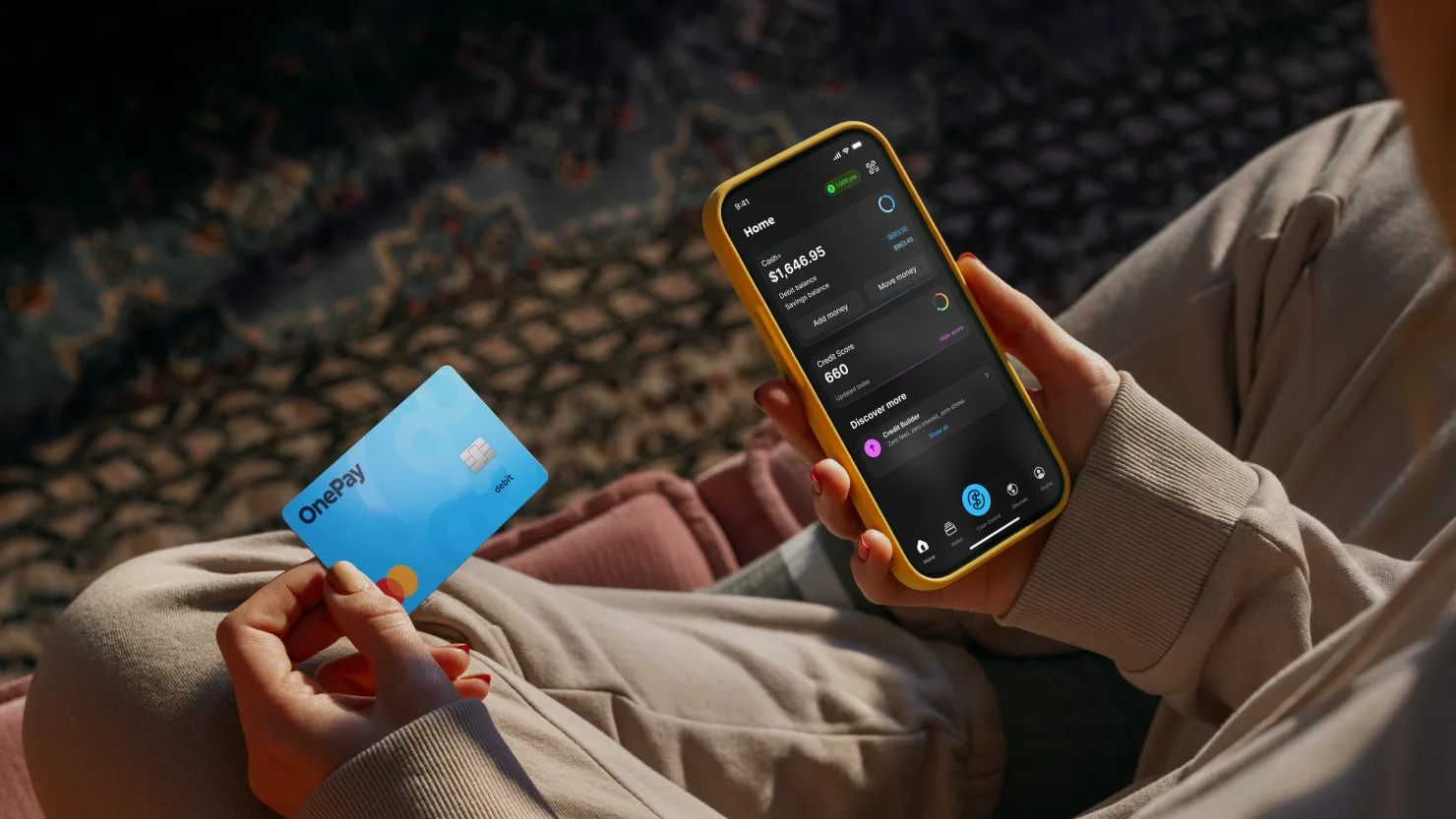
Retail Giant Expands Its Fintech Footprint into Digital Assets
OnePay, the financial technology venture majority-owned by Walmart Inc., is preparing to roll out cryptocurrency trading and custody features within its flagship mobile banking app, according to sources familiar with the matter.
The new service, expected to go live later this year, will initially support Bitcoin (BTC) and Ether (ETH) trading through a partnership with Zerohash, a Chicago-based digital asset infrastructure firm. The move underscores OnePay’s ambition to evolve into a full-fledged “super app” for U.S. consumers — integrating payments, savings, credit, and now crypto, under one platform.
A Strategic Push Toward the “Everything App” Model
Founded in 2021 by Walmart and Ribbit Capital, OnePay has steadily expanded beyond its original remit as a payments processor. Today, the company offers high-yield savings accounts, credit and debit cards, buy-now-pay-later (BNPL)loans, and even wireless plans.
By introducing digital asset functionality, OnePay is positioning itself alongside global “super app” ecosystems such as WeChat Pay and Alipay, where users can manage everything from retail transactions to financial investments within a single interface.
“Crypto functionality marks a key milestone in OnePay’s roadmap toward an all-in-one digital finance ecosystem,” said one New York fintech analyst briefed on the plan. “It gives Walmart a powerful on-ramp into decentralized finance while remaining within regulatory bounds.”
Crypto as Cash: Bridging Retail and Blockchain
The new integration will allow users to buy, hold, and convert crypto assets directly inside the OnePay mobile app, sources said. Customers will be able to convert Bitcoin or Ether into U.S. dollars, then spend those funds in Walmart stores, settle card balances, or transfer money through the platform’s peer-to-peer system.
This capability effectively blurs the line between digital asset management and real-world retail utility, a linkage that few U.S. financial apps have yet achieved at national scale.
Regulatory Context and Industry Momentum
OnePay’s crypto debut comes amid a broader reversal in U.S. regulatory sentiment toward digital assets. Following the election of President Donald Trump, federal regulators have adopted a more market-driven stance, clearing the path for traditional financial institutions to offer crypto products.
Major Wall Street players have quickly followed suit:
- Morgan Stanley announced plans to provide retail clients with direct crypto access via its E-Trade division.
- Interactive Brokers and Goldman Sachs are likewise expanding custody and trading capabilities.
- Zerohash, OnePay’s partner in the rollout, recently raised $104 million in a funding round led by Morgan Stanleyand Interactive Brokers, further integrating itself into the banking ecosystem.
Consumer Adoption and Competitive Positioning
Even before the crypto expansion, OnePay has been gaining momentum among U.S. consumers. It now ranks No. 5 in Apple’s App Store finance category, ahead of established incumbents such as JPMorgan Chase, Robinhood, and Chime.
Of the apps ahead of OnePay — including PayPal, Venmo, and Cash App — all already offer crypto functionality, underscoring how OnePay’s latest move closes a critical competitive gap.
What sets OnePay apart, however, is its built-in access to Walmart’s 150 million weekly customers. The app is integrated into the retailer’s online and in-store checkout systems, allowing seamless payment experiences while serving as a gateway for unbanked or underbanked consumers.
“OnePay’s edge is distribution,” said a fintech strategist at a Manhattan venture fund.
“No other U.S. banking app has such a direct physical and digital reach into households across all income segments.”
Corporate Separation, Broad Ambitions
While OnePay was incubated by Walmart, the company is structured as an independent entity, enabling it to operate beyond Walmart’s retail base and court mainstream banking users. Its stated mission focuses on financial inclusion, targeting Americans underserved by traditional financial institutions.
With crypto functionality on the horizon, OnePay aims to become the bridge between legacy retail finance and the blockchain economy, leveraging Walmart’s scale while embracing fintech’s agility.
Wall Street Implications
Analysts say the initiative could mark a turning point in mainstream crypto adoption, potentially prompting other U.S. retail and banking giants to embed digital assets directly into their financial ecosystems.
“If Walmart’s fintech arm can normalize crypto transactions at checkout, it would effectively embed digital assets in everyday commerce,” said a senior analyst at JPMorgan Private Bank.
“That could accelerate the convergence between consumer finance, retail, and blockchain-based payment infrastructure.”