Andrew Ross Sorkin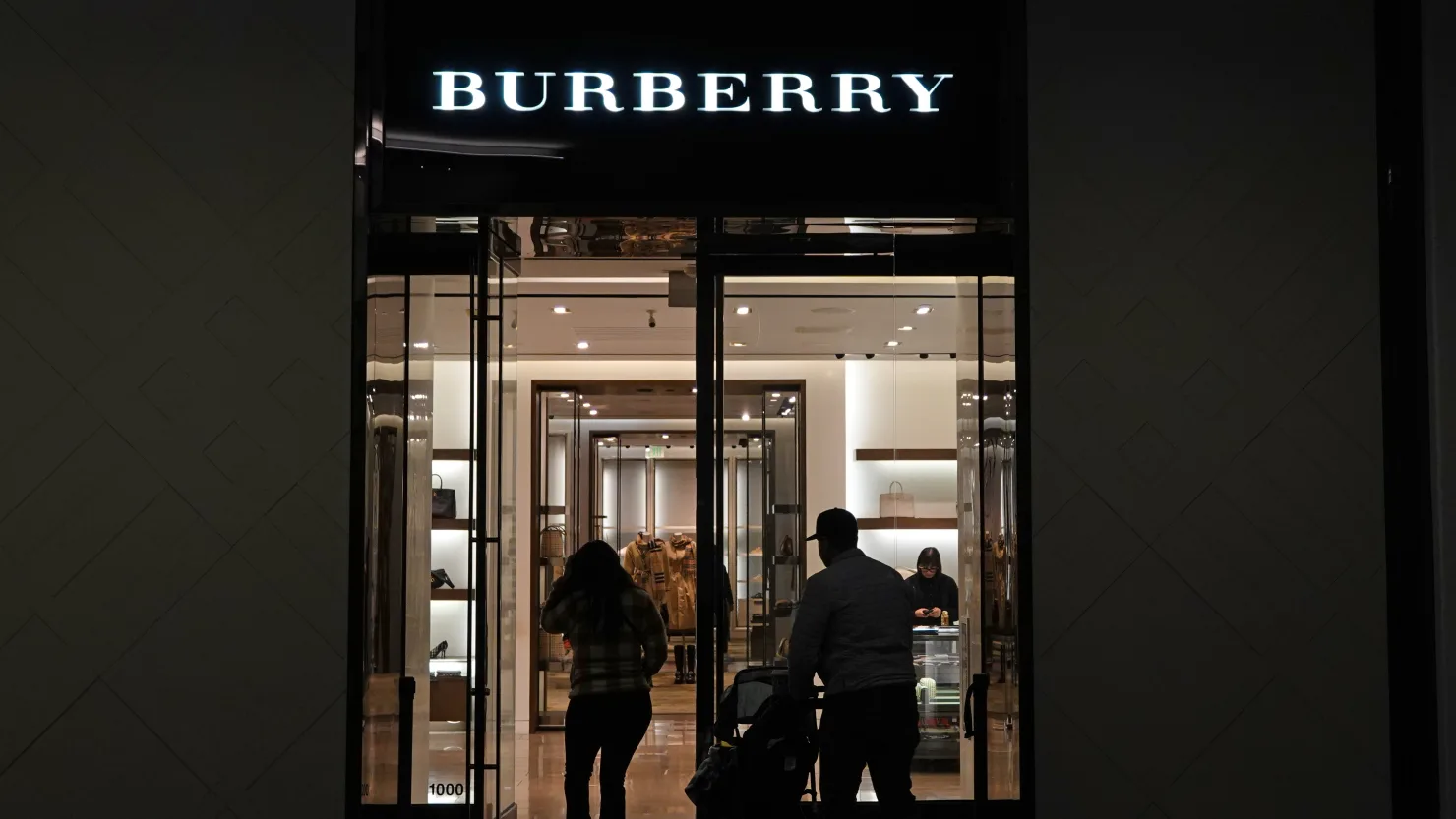
British luxury icon Burberry is making a comeback to the FTSE 100 index, just one year after losing its place in the U.K.’s top-tier benchmark. The move, announced by index provider FTSE Russell, reflects renewed investor confidence in the heritage brand as it undergoes a major transformation under the leadership of CEO Joshua Schulman.
The change is part of the London Stock Exchange Group’s quarterly index reshuffle, set to take effect after markets close on September 19, with trading adjustments beginning on September 22. Burberry will rejoin the prestigious index alongside Metlen Energy & Metals, replacing Taylor Wimpey and Unite Group, which will move down to the FTSE 250.
Just a year ago, in September 2024, Burberry’s 15-year tenure in the FTSE 100 came to an end amid falling sales and executive shake-ups. The company’s stock had plunged nearly 80% between April 2023 and September 2024, hit by a slowdown in the global luxury market and shifting consumer demand.
However, Schulman’s arrival in July 2024 marked the beginning of a steady recovery. The 169-year-old fashion house—renowned for its signature trench coats and iconic check pattern—has since started to show promising signs of revival.
In its first-quarter results released in July 2025, Burberry reported only a 1% year-over-year sales decline, a better-than-expected outcome driven by rising demand in both the U.S. and European markets. Analysts viewed the results as an encouraging indication that Schulman’s strategy is taking hold.
Since taking the helm, Schulman has focused on reviving Burberry’s core identity while modernizing its business operations. His strategy emphasizes the brand’s timeless classics, aiming to reconnect with loyal customers while appealing to younger luxury shoppers. Alongside this creative vision, he has implemented a disciplined cost-reduction program targeting £80 million in annualized savings by the end of fiscal year 2026.
Industry observers see Burberry’s return to the FTSE 100 as both a symbolic and financial milestone. It signals the market’s renewed faith in the company’s ability to adapt amid a challenging luxury landscape characterized by cautious consumer spending and evolving global tastes.
While Burberry’s stock remains below pre-2023 levels, investors are optimistic that Schulman’s turnaround plan—rooted in brand heritage, operational efficiency, and product focus—will continue to restore long-term growth and stability.
As Burberry prepares to re-enter the FTSE 100, the brand’s resurgence serves as a reminder that even the most established names in fashion can reinvent themselves when guided by a clear vision and strategic discipline.