Andrew Ross Sorkin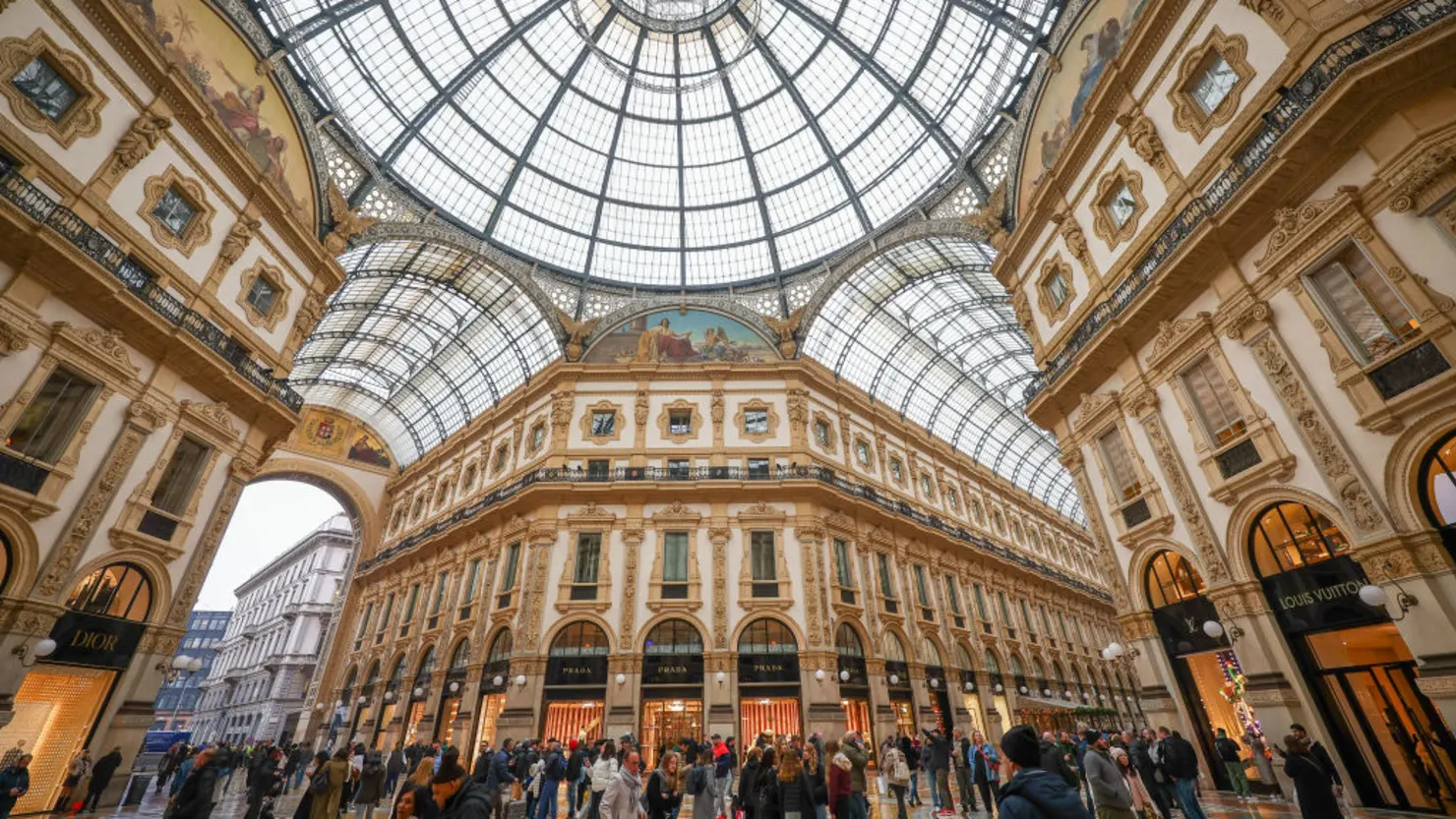
Italy, long admired for its art, cuisine, and Mediterranean charm, is now drawing a different kind of attention. In recent years, the country has quietly become one of the most attractive destinations for the ultra-wealthy, luring a new wave of millionaires and billionaires eager to enjoy “la dolce vita” under an investor-friendly tax regime and a booming luxury real estate market.
While many nations are tightening fiscal rules on high-net-worth individuals, Italy has taken the opposite route. Its generous flat-tax system and flourishing business environment have made it a magnet for global elites seeking stability, lifestyle, and opportunity. Even after the government doubled the annual one-time levy on foreign income for wealthy residents to €200,000 ($233,000) in 2024, demand remains strong.
“They operate on a level of wealth where €200,000 is almost symbolic,” said Matteo Pella, a senior broker at Berkshire Hathaway HomeServices in Italy. “It’s like raising the price of your morning coffee from two euros to four — you’re still going to drink it.”
The Rise of Italy’s Millionaire Migration
According to global citizenship consultancy Henley & Partners, Italy ranks among Europe’s top destinations for wealthy relocation in 2024. The firm estimates that as many as 3,600 new high-net-worth individuals could settle in Italy this year alone — a surge reflecting both the appeal of its tax incentives and its growing reputation as a financial hub.
Recent high-profile arrivals underscore this trend. Egyptian billionaire and Aston Villa co-owner Nassef Sawiris, as well as Goldman Sachs vice-chair Richard Gnodde, have reportedly joined the list of global elites establishing residency in Italy.
Introduced in 2017, the flat-tax regime was part of a broader national strategy to attract foreign investors and lure back Italian professionals who had left during the eurozone debt crisis. Under the system, individuals who move their tax residency to Italy can opt to pay a fixed €200,000 per year on all foreign income — regardless of total earnings — for up to 15 years. For global entrepreneurs and investors, that simplicity and predictability are key advantages.
Milan’s Transformation Into a Global Wealth Hub
The impact of this policy is perhaps most visible in Milan, Italy’s bustling financial and fashion capital. Once known mainly for its industrial roots, the city has evolved into a cosmopolitan center of innovation, luxury, and international investment.
“Milan has changed tremendously,” said Anna Cipriani, director of membership at Casa Cipriani Milano, a private club that opened its doors in 2022. “It’s not only about fashion anymore. Today, it’s a destination for creatives, investors, and an increasingly international crowd.”
This new wave of affluence has sparked a surge in high-end real estate development and exclusive social venues catering to the city’s elite. Alongside Casa Cipriani, The Wilde — another members-only club — has emerged to serve this expanding community of global business leaders, artists, and financiers.
Real Estate Boom: The New Gold of Italy
The influx of wealthy newcomers has driven property prices to record highs across Italy’s most desirable regions. From the rolling hills of Tuscany to the shores of Lake Como, luxury properties are being snapped up at unprecedented rates.
According to Tecnocasa, a leading Italian real estate group, property values in Milan have climbed nearly 49% since the flat-tax system was launched in 2017 — far outpacing the 10.9% average increase across other major Italian cities. Knight Frank projects that Milan’s prime property market will see an additional 3.5% price growth in 2025, maintaining its momentum.
At Lake Como, where Berkshire Hathaway HomeServices operates one of its most active offices, demand is equally intense. “We’re at all-time high prices,” said Pella. “In just five years, values have risen by double digits, and we expect steady 3% to 4% annual growth in the coming years.”
Buyers, Pella added, often make decisions based on emotion rather than pure investment logic. “For many, it’s about owning something truly unique — a home with an unforgettable view or a one-of-a-kind location. They don’t hesitate to overspend to secure it.”
Global Shifts in Wealth Migration
Italy’s success story is part of a larger global shift in wealth migration. Over the past decade, the number of millionaires relocating abroad has nearly tripled, reaching record levels in 2024.
This trend shows no sign of slowing. As governments around the world debate wealth taxes and inheritance reforms, a growing divide is emerging: countries like Italy are positioning themselves as havens for the ultra-rich, while others move in the opposite direction.
France, for example, has been considering expanding its wealth tax. Switzerland is discussing adjustments to its inheritance system. The United Kingdom, once a traditional safe haven for the rich, abolished its 200-year-old “non-dom” regime in April, stripping wealthy foreigners of tax exemptions on overseas income.
That decision has already prompted a migration of financiers and entrepreneurs from London to other European cities — particularly Milan, which now offers a compelling mix of lifestyle, access to markets, and favorable taxation.
“There are countries literally calling us and saying: ‘We want the U.K.’s millionaires — how can we bring them here?’” said Stuart Wakeling, managing partner at Henley & Partners UK. “Italy is one of the few that already figured it out.”
Simplicity as Italy’s Competitive Edge
While residency-by-investment programs vary widely around the world — often requiring complex, multi-million-euro investments or strict conditions — Italy’s appeal lies in its clarity.
Under the Italian flat-tax regime, foreign individuals or returning nationals who have lived abroad for at least nine years can access the 15-year program with minimal bureaucratic hurdles. The flat payment exempts them from broader taxes on global income and assets, making the system straightforward and attractive for wealthy families seeking stability.
That simplicity, coupled with Italy’s cultural allure and strategic location within the European Union, has made it an appealing alternative to traditional financial hubs.
The Uneven Side of Prosperity
However, this influx of affluence has sparked debate within Italy. Critics warn that the benefits are not evenly distributed and that the tax system contributes relatively little to national revenues compared with the country’s large fiscal deficit.
Some economists fear that the concentration of wealth in cities like Milan, Florence, and Rome could deepen inequality between regions. Others caution that if more countries adopt similar regimes, it could lead to a “race to the bottom” in global taxation, eroding public resources and accountability.
Yet supporters argue that the broader economic ripple effects — from job creation in hospitality and finance to the revitalization of property markets — could offset those concerns over time.
“It’s a cycle that keeps feeding itself,” said Cipriani. “When you have wealthy people moving in, new hotels, restaurants, and services open up. That, in turn, attracts even more people and creates new opportunities for everyone involved.”
A New Chapter in Italy’s Economic Story
As Italy embraces its role as Europe’s new millionaire magnet, the question remains whether this surge in foreign wealth will create sustainable long-term benefits. For now, the trend shows no sign of slowing.
Luxury car dealerships, private schools, and gourmet restaurants are expanding across Milan and the northern lakes. International investors are pouring capital into both urban redevelopment and countryside estates. And as more governments impose stricter tax measures elsewhere, Italy’s promise of “simple, elegant prosperity” continues to stand out.
In many ways, Italy has managed to turn its timeless charm into a modern economic advantage — transforming “la dolce vita” from a cultural expression into a global business model.