Andrew Ross Sorkin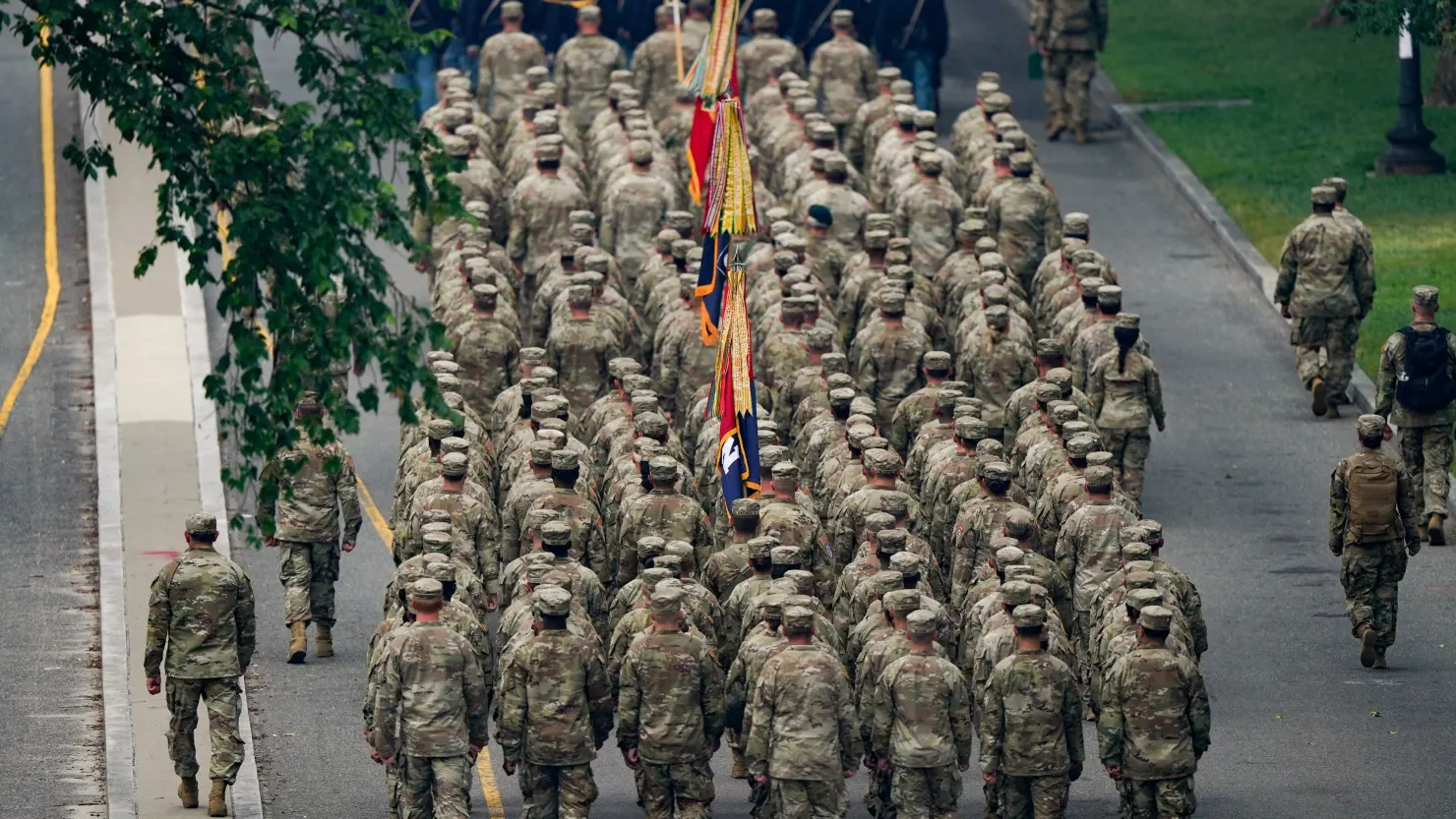
As the U.S. government shutdown stretches on with little sign of resolution, an unexpected turning point may emerge — not from a political breakthrough in Washington, but from a financial reality that hits at the heart of national security: military pay.
While no troops will be deployed to force lawmakers back to work, the mid-October paycheck for more than 1.3 million active-duty service members could become the key factor that finally drives Congress and the White House to end the stalemate. Missing this deadline could come at a steep political and public relations cost, putting intense pressure on both parties to compromise.
Economists at Goldman Sachs, Ronnie Walker and Alec Phillips, recently told clients that the October 15 military pay date could serve as “a critical forcing event” for Washington. They anticipate that the shutdown could end by mid-October as public outrage builds over the prospect of unpaid soldiers.
Prediction markets seem far less optimistic. According to Polymarket, traders currently see a 71% chance that the shutdown will continue beyond October 14, signaling skepticism that lawmakers will act quickly enough to prevent financial fallout.
A Political Crisis with a Personal Cost
The government shutdown has already led to suspended public services, furloughed workers, and halted economic data releases that policymakers depend on. Yet the issue of military pay could transform this from a bureaucratic gridlock into a deeply emotional and national concern.
If service members miss their mid-October paychecks, public outrage could surge across the political spectrum. The military has long been one of the few institutions that commands broad bipartisan respect, and any interruption in their pay would be seen as a failure of leadership on both sides.
Goldman Sachs analysts noted that even a temporary funding bill — known as a continuing resolution (CR) — could be passed to allow partial government operations and avert the crisis. However, they warned that if lawmakers cannot agree on even a short-term measure, the standoff could continue well beyond October, deepening the economic uncertainty.
“We expect pressure to build on both parties to reach a compromise before then,” the Goldman economists wrote. “If the Defense Department finds a way to pay troops despite the funding lapse, or if Congress passes a limited bill just to cover military pay, the momentum for a broader funding deal might fade.”
This creates a paradox: the military pay deadline could either spark a breakthrough or simply delay the inevitable — a longer and more complex fight over the federal budget.
Little Movement in Congress
Despite growing public concern, Capitol Hill remains at an impasse. The Senate has scheduled a vote for Monday evening, but few expect substantial progress. Lawmakers from both parties remain deeply divided over federal spending priorities, border security, and future tax policies.
Former President Donald Trump has warned that if no deal is reached, some of the temporary layoffs resulting from the shutdown could become permanent, raising the stakes even higher for federal employees.
The current political environment has become increasingly toxic, with both sides attempting to shift blame for the shutdown. Democrats accuse Republicans of holding the budget hostage to political demands, while Republicans claim that excessive spending and lack of fiscal restraint have pushed the country toward economic instability.
Meanwhile, millions of Americans are beginning to feel the ripple effects. Data collection by federal agencies has halted, delaying critical economic indicators such as inflation reports and employment data. Airport security could soon be affected if Transportation Security Administration (TSA) officers stop showing up for unpaid shifts. Essential programs such as food assistance and housing benefits face increasing strain.
The Broader Economic Fallout
While political tensions dominate headlines, the economic consequences of the shutdown are becoming harder to ignore. Each passing week of government closure compounds the effects on both consumer confidence and overall GDP growth.
A report from Raymond James policy analyst Ed Mills highlights that “concerns over military pay, TSA operations, or delayed mortgage payments for service members could become catalysts for compromise.” Mills believes that the most probable scenario remains a short-term continuing resolution, which would temporarily reopen the government while negotiations continue.
However, Mills also warns that the risk of a prolonged shutdown extending into November cannot be dismissed, especially if neither party is willing to make the first concession.