Andrew Ross Sorkin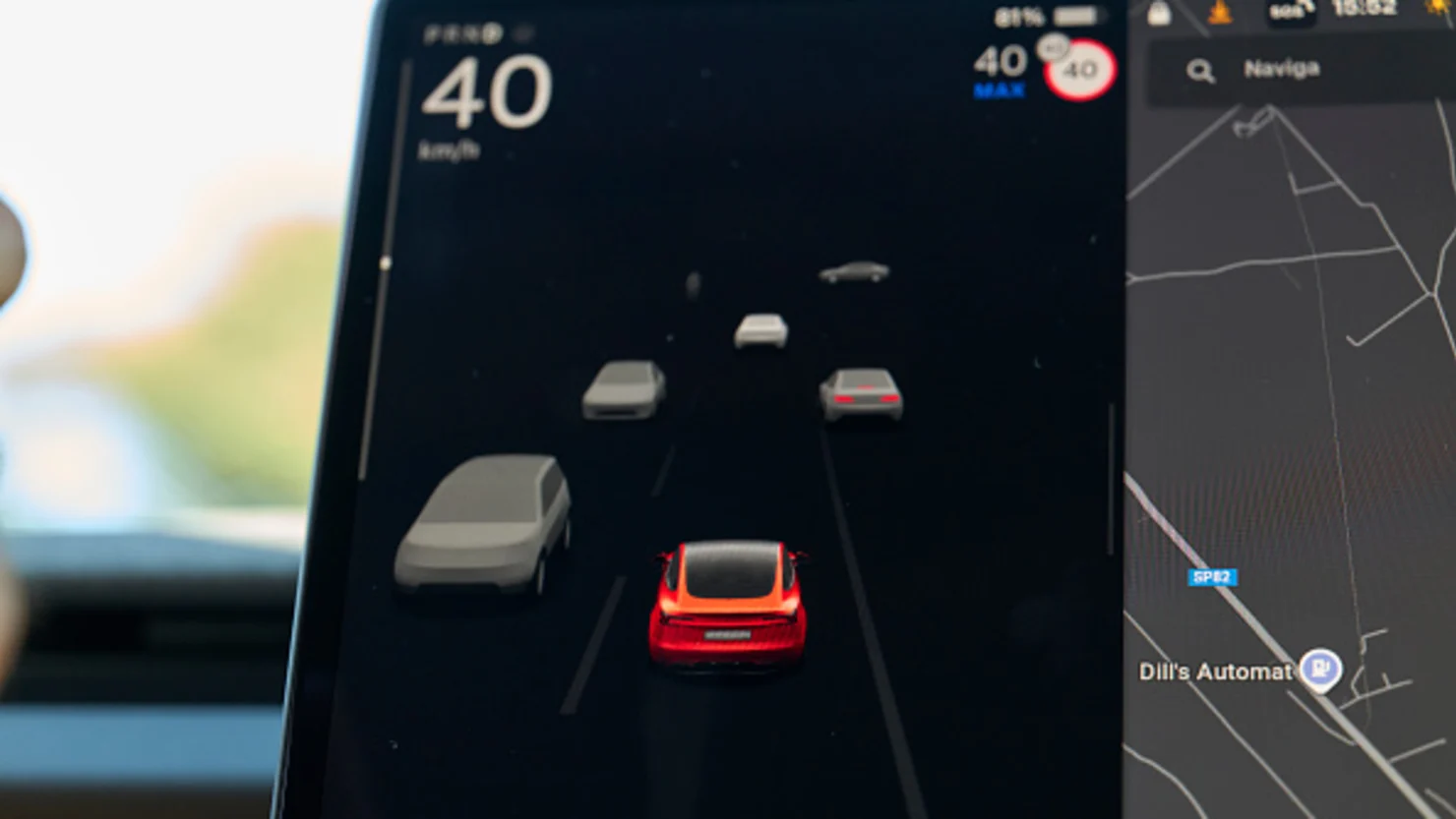
Tesla is under federal scrutiny once again—this time over potential safety issues involving its Full Self-Driving (FSD) system, officially known as FSD (Supervised). The U.S. National Highway Traffic Safety Administration (NHTSA) has opened a new investigation following dozens of reports suggesting the system may have contributed to serious driving errors and collisions.
According to documents posted by the NHTSA, 44 separate incidents have been linked to Tesla’s FSD feature. In these cases, drivers reported that their vehicles ran red lights, veered into oncoming traffic, or performed other unsafe maneuvers that resulted in crashes, some of which caused injuries.
The federal probe targets all Tesla vehicles equipped with FSD (Supervised) or FSD (Beta)—a group that includes an estimated 2.88 million electric cars. Despite the name, Tesla’s “Full Self-Driving” system still requires a human driver to remain alert and ready to take control at any moment.
In its official statement, the NHTSA’s Office of Defects Investigation (ODI) said it will evaluate whether Tesla’s system provides adequate warning and response time for drivers when unexpected behavior occurs. The review will also analyze how effectively FSD can recognize and react to traffic signals, lane markings, and wrong-way signs, as well as whether drivers receive proper alerts about the system’s actions in real time.
Tesla has not issued a public comment regarding the investigation. However, the company recently rolled out an updated version of its software—FSD version 14.1—to existing customers.
For years, Tesla CEO Elon Musk has promoted the vision of a fully autonomous future, promising that Tesla vehicles would one day transform into self-driving robotaxis capable of generating passive income for owners. Musk claimed this could be achieved through a simple software update. Yet, the long-promised robotaxi era has not arrived. In recent months, Tesla has informed owners that achieving full autonomy may require both hardware upgrades and new software releases.
Tesla has begun testing its Robotaxi-branded ride-hailing service in Texas and several other locations. However, these trials still include human safety operators who monitor performance and manually intervene when necessary.
Meanwhile, earlier this year, President Donald Trump and Elon Musk reportedly implemented federal workforce reductions that affected NHTSA’s resources. According to The Washington Post, these cuts have limited the agency’s ability to conduct safety investigations and enforce regulations on autonomous vehicles, adding further complexity to an already controversial issue.
As the investigation unfolds, regulators, automakers, and consumers alike are watching closely. The outcome could shape the future of autonomous driving technology—and determine whether Tesla’s ambitious vision for FSD can truly live up to its name.