Andrew Ross Sorkin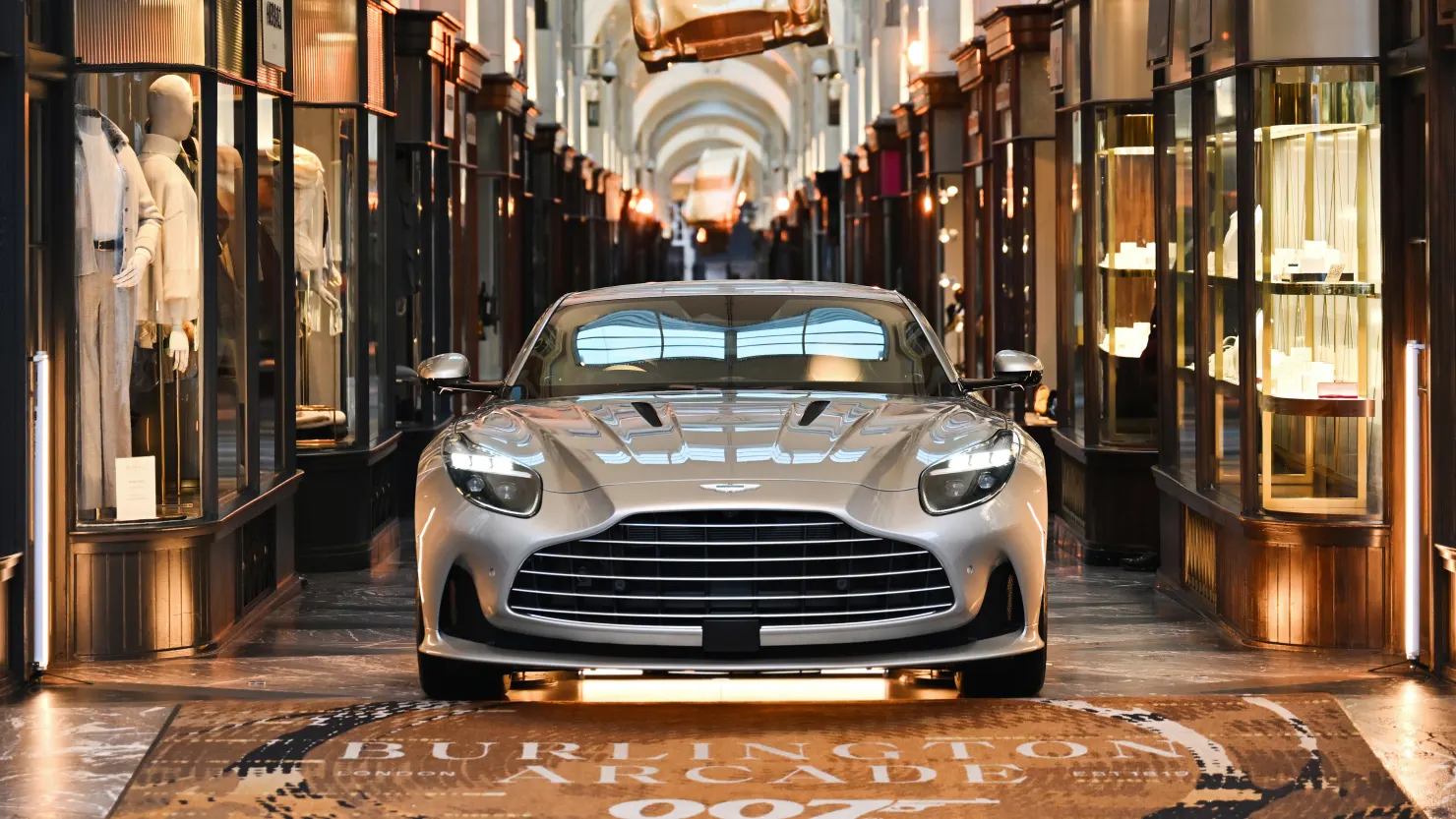
Aston Martin, the British luxury automaker synonymous with James Bond’s signature style, saw its shares tumble by as much as 10% on Monday following the release of a fresh profit warning. The company cited an increasingly difficult global business environment and persistent uncertainties over trade tariffs as key reasons for its financial downgrade.
According to its latest statement, Aston Martin now expects its 2025 wholesale volumes to decline by a “mid-to-high single-digit percentage” compared to the 6,030 vehicles sold last year. The automaker also announced it no longer anticipates generating positive free cash flow in the second half of the year, leading to an immediate review of both future costs and capital expenditure plans.
This comes as analysts had projected the company to post an earnings-before-interest-and-taxes (EBIT) loss of approximately £110 million (about $148 million). The revised outlook underscores ongoing pressures facing the global automotive sector amid economic volatility and geopolitical uncertainty.
A Challenging Global Environment
In its statement, Aston Martin emphasized the headwinds facing the luxury car market: “The global macroeconomic environment remains challenging, with uncertainties around the potential economic impact of U.S. tariffs, China’s revised ultra-luxury car taxation, and increased risks within the global supply chain.”
By mid-morning in London, Aston Martin shares were trading roughly 7% lower, marking a year-to-date decline of around 29%. The drop adds to a turbulent year for the automaker, which continues to battle persistent cost pressures, fluctuating demand in key markets, and evolving trade regulations that threaten its international competitiveness.
Tariffs and Trade Uncertainty
The recent economic uncertainty stems largely from U.S. President Donald Trump’s tariff policies, which have disrupted global supply chains across industries. The automotive sector, in particular, is highly exposed due to its intricate web of international production and sourcing.
Earlier this year, the U.S. and U.K. reached a trade agreement that capped tariffs on up to 100,000 British-made cars annually at 10%. While the deal provided some initial relief, it also introduced a quota mechanism that Aston Martin says complicates its ability to forecast financial performance for the remainder of the year—and potentially for future quarters starting in 2026.
The company noted that it has been in ongoing discussions with both the White House and the U.K. government to gain greater clarity on tariff implementation and compliance expectations. According to Aston Martin, the talks with U.S. officials have been “constructive and positive,” but more concrete assurances are still needed to provide the company with long-term operational stability.
Seeking Stronger Support from the U.K.
Aston Martin also appealed to British lawmakers for what it described as “more proactive support” in addressing the unique challenges faced by low-volume, high-end manufacturers. The company emphasized that firms like Aston Martin play a crucial role in sustaining local employment and contributing to the wider U.K. automotive supply chain.
“Small-volume manufacturers are vital to local economies and innovation within the U.K. automotive industry,” the company stated. “We need continued government backing to ensure our competitiveness in an increasingly volatile global market.”
The U.K. government responded by reaffirming its commitment to the nation’s car industry. A spokesperson highlighted that the automotive sector had been a top priority during the recent trade negotiations with the U.S. “We remain the only country with a tariff rate as low as 10% for car exports, protecting thousands of jobs across the sector,” they said.
They added that the government is “working closely with manufacturers to ensure the industry can make full use of the quota system, while maintaining the U.K. as a leading destination for automotive investment.”
A Pivotal Moment for the Iconic Automaker
For Aston Martin, this latest setback comes amid ongoing efforts to restore profitability and strengthen its position within the global luxury automotive segment. The company has faced years of financial turbulence, including repeated restructurings, ownership changes, and fluctuating investor confidence.
Despite strong brand recognition and a prestigious legacy, the automaker has struggled to maintain consistent profitability. Its push into electrification and new model launches—such as the DB12 grand tourer and upcoming hybrid and electric vehicles—aims to modernize the brand while meeting evolving regulatory and consumer demands.
However, global macroeconomic instability, supply chain disruptions, and policy shifts continue to complicate these efforts. Analysts warn that unless tariff and cost pressures ease, Aston Martin may find it difficult to achieve its long-term financial goals.
Looking Ahead
As the company re-evaluates its spending priorities, the focus will likely shift toward protecting margins, optimizing production efficiency, and accelerating the rollout of next-generation vehicles. The outcome of its discussions with both U.K. and U.S. authorities will be critical in determining how much flexibility Aston Martin retains in navigating the new trade landscape.
Industry observers suggest that the company’s next strategic update will be closely watched by investors eager for signs of recovery. A successful adjustment to the evolving global trade environment—coupled with effective cost control and product innovation—could help Aston Martin regain stability after years of financial strain.
Still, with the automotive industry entering a new era of electrification, regulation, and geopolitical tension, even legacy brands like Aston Martin must adapt rapidly to survive. The company’s current review of costs and capital investments marks a decisive moment—one that could determine whether this storied British marque can transition from volatility to long-term resilience in a shifting global market.