Andrew Ross Sorkin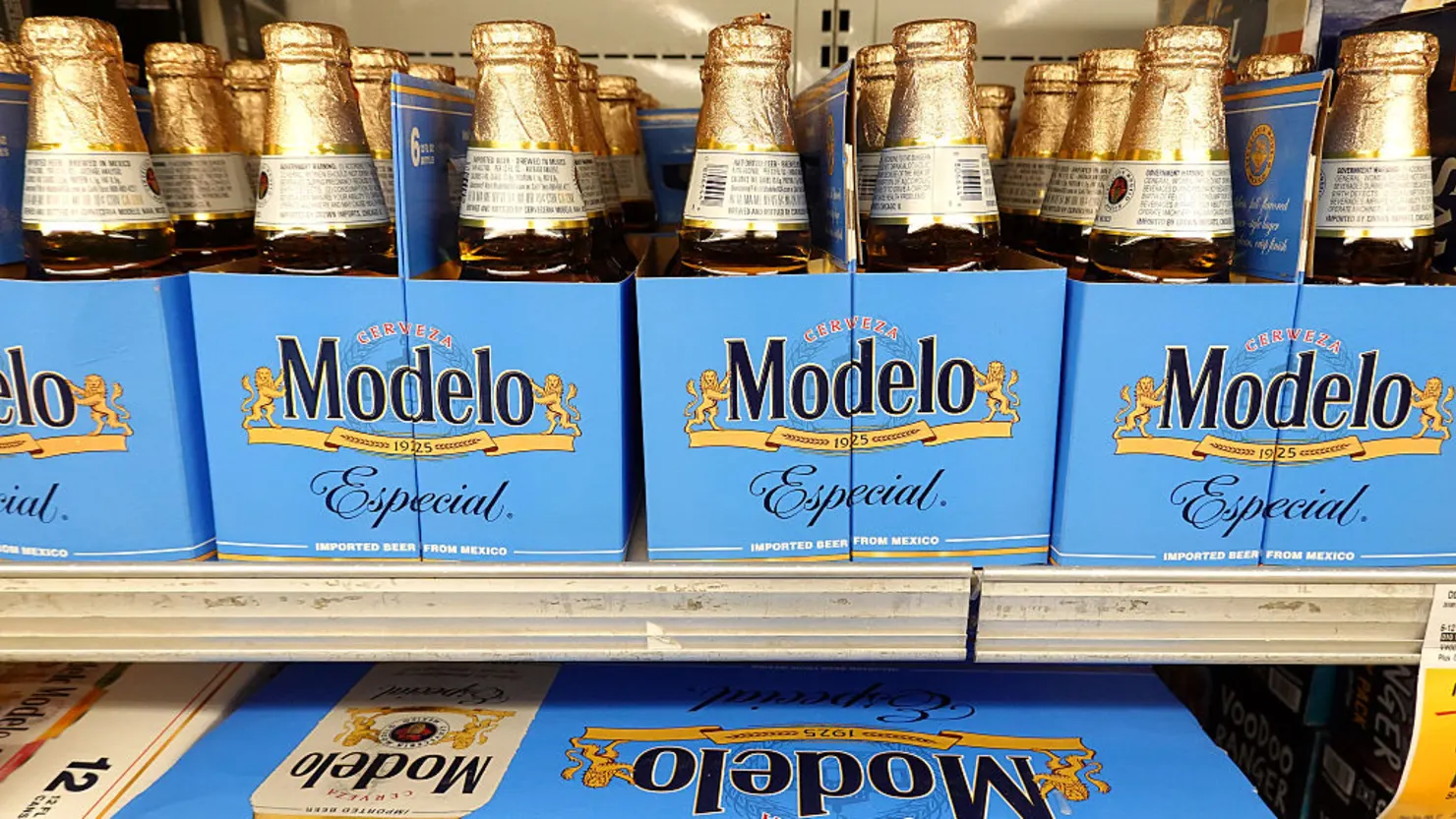
Constellation Brands, the parent company of Modelo and Corona, delivered stronger-than-expected fiscal second-quarter results, beating Wall Street estimates on both revenue and profit. However, the company maintained its previously reduced full-year outlook, citing ongoing macroeconomic challenges that continue to weigh on consumer sentiment and demand.
Following the report, Constellation’s shares climbed nearly 3% in after-hours trading, reflecting investor confidence in the company’s ability to sustain profitability despite a turbulent business environment.
Earnings Beat Expectations but Reflect Broader Challenges
For the quarter ending August 31, Constellation Brands posted adjusted earnings per share (EPS) of $3.63, exceeding analyst expectations of $3.38 per share, according to data from LSEG. Revenue for the period came in at $2.48 billion, narrowly topping the consensus forecast of $2.46 billion.
On a net basis, the company recorded $466 million in profit, or $2.65 per share, reversing a loss of $1.2 billion, or $6.59 per share, in the same period last year. The swing from loss to profit was attributed to reduced restructuring costs and more stable operational performance.
Despite the earnings beat, net sales dropped by 15% year-over-year, largely due to slower beer demand and rising costs associated with aluminum tariffs. Operating margins also contracted by 200 basis points, signaling the persistent impact of higher input costs and economic uncertainty on profitability.
CEO Emphasizes Strategic Discipline Amid Headwinds
CEO Bill Newlands acknowledged that the broader economic climate continues to put pressure on the company’s core markets. “While we continue to navigate a challenging socioeconomic environment that has dampened consumer demand, our teams remain focused on executing against our strategic objectives,” Newlands said. “That includes driving distribution gains, disciplined innovation, and continued investment behind our brands.”
Constellation’s strategic focus remains on maintaining market leadership in the premium beer and wine segments while pursuing selective innovation in its product lineup. The company has emphasized expanding Modelo’s distribution footprint and leveraging its strong brand portfolio to retain customer loyalty in an increasingly competitive landscape.
Reaffirming Reduced Annual Guidance
In September, Constellation Brands announced a downward revision to its full-year fiscal 2025 guidance, citing a “challenging macroeconomic environment.” The brewer cut its comparable EPS outlook to a range of $11.30 to $11.60, down from its earlier estimate of $12.60 to $12.90. Monday’s report reaffirmed that outlook, reflecting management’s cautious approach in the face of continued inflationary pressures and shifting consumer spending patterns.
The company also reiterated its forecast for organic net sales to decline between 4% and 6% in fiscal 2026, compared with previous expectations of flat to modest growth (between a 1% gain and 2% decline). This adjustment reflects lower volume growth expectations, particularly in the U.S. beer segment, where demand has shown signs of softening among key consumer demographics.
Consumer Sentiment and Market Trends
Constellation has pointed to weakening demand among Hispanic consumers, a demographic that historically represents a major segment of its beer sales, particularly for brands like Modelo and Corona. The company previously attributed this trend to broader economic uncertainty and concerns linked to political factors, including immigration policy and employment instability during the Trump administration.
During the company’s latest earnings call, Newlands noted that a monthly internal study found roughly 80% of both Hispanic and non-Hispanic consumers expressed concern about the current socioeconomic environment. This pervasive uncertainty, he explained, has translated into more cautious spending patterns and a slowdown in discretionary purchases like alcohol.
Despite these headwinds, Modelo remains one of the fastest-growing beer brands in the U.S., maintaining strong shelf presence and high brand recognition. The company’s marketing efforts, particularly those highlighting authenticity and cultural connection, have helped sustain brand loyalty even amid shifting economic conditions.
Strategic Investments and Future Outlook
Constellation Brands continues to invest in its operational efficiency and brand innovation. The company has been modernizing production facilities, optimizing its distribution network, and expanding digital engagement to strengthen consumer relationships.
Newlands emphasized that Constellation’s long-term growth strategy is built on “disciplined execution and adaptability.” The focus remains on strengthening its premium portfolio, supporting key growth drivers like Modelo and Pacifico, and exploring emerging beverage categories.
He also noted that the company is closely monitoring input costs, including commodities such as aluminum, which have been affected by tariffs and supply chain disruptions. These pressures, combined with labor and transportation expenses, have contributed to the company’s margin compression.
Investor Confidence and Market Position
Despite the challenges, investor sentiment toward Constellation remains cautiously optimistic. The company’s ability to deliver strong earnings in a weak consumption environment has reinforced its position as a resilient player in the global beverage market. Its diversified portfolio, which includes premium beer, wine, and spirits brands, provides a degree of stability against market volatility.
Analysts note that while short-term profit margins may face pressure, Constellation’s strong balance sheet, cash flow discipline, and brand equity position it well for long-term recovery once macroeconomic conditions stabilize.
As the global economy grapples with inflation, fluctuating consumer confidence, and evolving political landscapes, Constellation Brands’ focus on maintaining profitability, driving innovation, and sustaining consumer trust will remain central to its strategy.
While 2025 and 2026 may prove to be transitional years marked by cautious spending and margin tightening, Constellation’s ability to deliver consistent value to shareholders through strategic execution and brand strength suggests that the company is well-prepared to weather the economic storm — and emerge stronger on the other side.