Andrew Ross Sorkin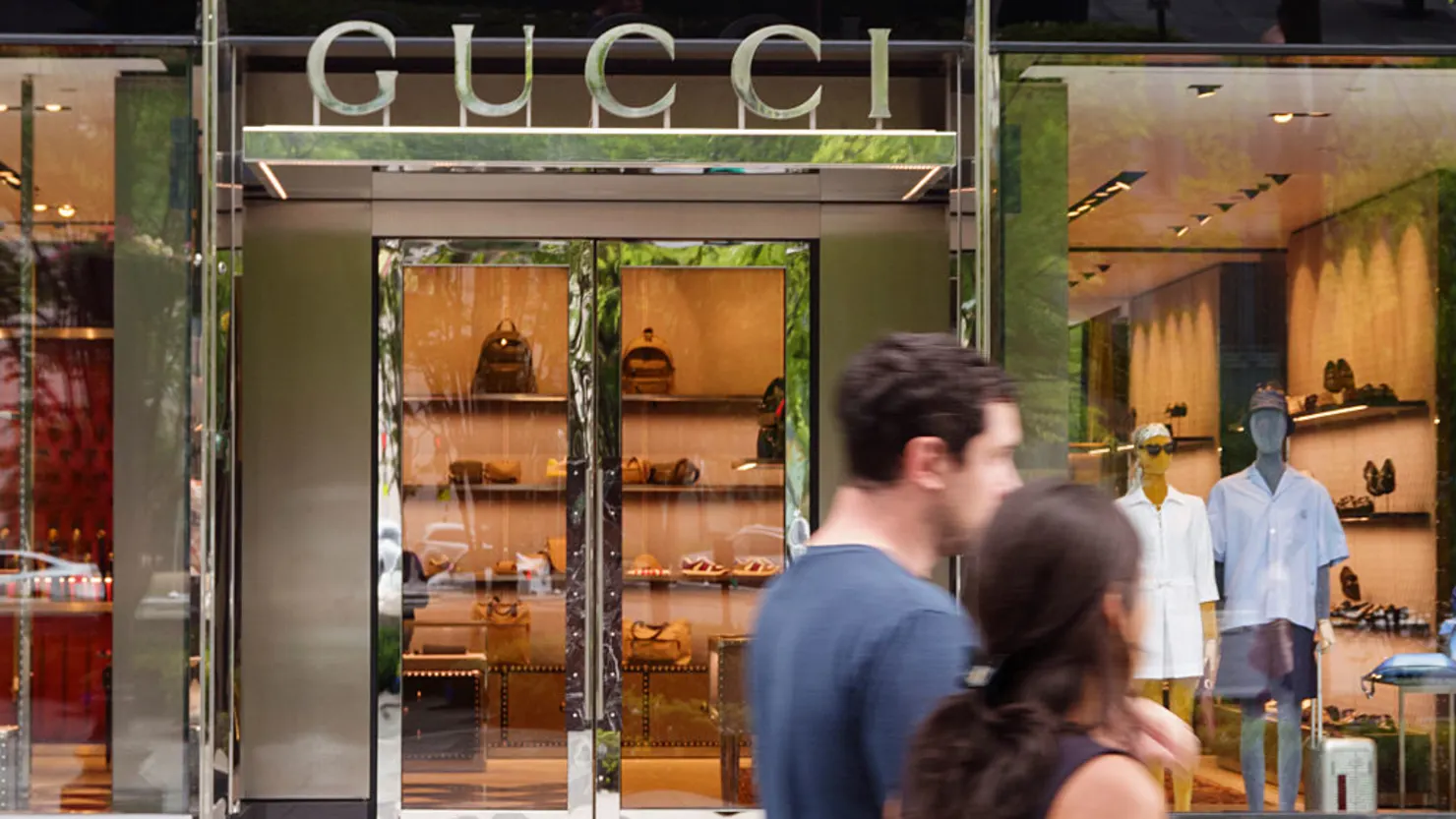
The global luxury market is showing signs of strain, and French fashion conglomerate Kering — the parent company of Gucci, Saint Laurent, and Bottega Veneta — has once again found itself under pressure. On Tuesday, the group reported weaker-than-expected second-quarter results, marking another challenging chapter in its efforts to regain momentum.
According to its latest earnings report, Kering’s total sales fell by 15 percent year over year on a comparable basis, totaling 3.7 billion euros ($4.27 billion). This result missed analysts’ expectations, which had forecast around 3.96 billion euros, according to data from LSEG.
The most significant blow came from Gucci, Kering’s flagship brand and primary revenue driver. Gucci’s sales dropped by a staggering 25 percent to 1.46 billion euros during the quarter, underscoring the brand’s continuing difficulties in reconnecting with consumers and sustaining its luxury appeal.
François-Henri Pinault, Kering’s chairman and CEO, acknowledged the disappointing results but emphasized that the company has been laying groundwork for a long-term turnaround.
“Although our current performance remains below what we are capable of achieving, we believe that the structural changes and strategic investments made over the past two years have created a solid foundation for Kering’s future growth,” Pinault said in the company’s official statement.
He added that the broader economic and geopolitical landscape remains uncertain, yet Kering remains committed to building sustainable profitability through disciplined execution and brand rejuvenation.
Weaker Demand Across Key Markets
Kering’s troubles were not limited to a single region. The company reported sales declines across all major markets, with Asia Pacific — particularly Japan and China — showing the steepest downturn. The U.S. market also weakened, adding to the company’s global headwinds.
“Kering is confronting a challenging reality as its two main luxury markets, China and the United States, are both experiencing slowdowns,” noted Yanmei Tang, an analyst at Third Bridge, in comments following the earnings announcement.
China, once a reliable growth engine for global luxury houses, has seen consumer demand cool amid ongoing economic uncertainty and cautious household spending. Meanwhile, U.S. shoppers have pulled back on discretionary luxury purchases as inflation and interest rates remain high.
These twin pressures have left Kering’s brands — particularly Gucci — struggling to maintain relevance and desirability in an increasingly competitive landscape dominated by powerhouses like Hermès and LVMH.
Leadership Changes Bring New Hope — and High Expectations
Investors have become increasingly skeptical of Kering’s ability to stage a successful turnaround after several consecutive quarters of soft sales. The company’s stock is down roughly 8 percent year-to-date, reflecting growing market concern.
In June, Kering announced that Luca de Meo, a veteran executive in the automotive industry, will take over as group CEO effective September 15. His appointment has sparked cautious optimism among investors and analysts alike.
Carole Madjo, head of European luxury goods research at Barclays, told CNBC that de Meo’s leadership experience could be exactly what Kering needs. “He has a strong track record in business transformation and brand strategy,” Madjo said. “His understanding of consumer behavior and ability to reposition legacy brands could inject new energy into the group.”
De Meo, however, faces a tough road ahead. The global luxury sector is grappling with potential 15 percent tariffs on imports to the United States, adding another layer of uncertainty to Kering’s recovery plans. Furthermore, the luxury market’s shift toward younger, more value-conscious consumers requires fresh creative direction and sharper brand storytelling.
Tariffs and Pricing Adjustments
Chief Financial Officer Armelle Poulou addressed the potential impact of new U.S. tariffs during the earnings call. She noted that the proposed 15 percent rate was already factored into Kering’s internal forecasts and would be “manageable through pricing adjustments.”
Poulou also confirmed that the company had implemented selective price increases during the second quarter and may consider additional hikes in the autumn season. “We will approach this carefully,” she said. “Any pricing decision must balance margin protection with consumer sentiment. We cannot risk alienating our loyal customer base.”
While raising prices might offset some of the pressure from tariffs, analysts warn that the company’s larger challenge lies in brand desirability rather than cost structure. Tang of Third Bridge pointed out that “desirable brands like Hermès can raise prices without damaging demand, but Gucci and Saint Laurent currently lack that level of pricing power.”
The Creative Challenge: Restoring Gucci’s Magic
Perhaps the biggest question surrounding Kering’s future is how to restore Gucci’s iconic status. Once a trend-defining brand that captured the spirit of contemporary luxury under the creative leadership of Alessandro Michele, Gucci has struggled to maintain momentum since his departure.
The company recently appointed a new artistic director, Demna Gvasalia, best known for his bold, avant-garde designs at Balenciaga. Kering’s Deputy CEO and Head of Brand Development, Francesca Bellettini, revealed that audiences can expect “the first glimpse of Demna’s vision for Gucci” this September, with the full collection slated for release in early 2026.
Industry experts believe this could mark a turning point for the brand — if executed well. “Bringing freshness, creativity, and a sense of modernity that resonates with today’s consumers is what Gucci urgently needs,” said Barclays’ Madjo. “It’s about creating excitement again — a reason for consumers to engage emotionally with the brand.”
Analysts note that while design innovation is crucial, Kering must also strengthen its digital presence, improve customer engagement, and align with shifting cultural trends, including sustainability and inclusivity. Luxury consumers today, especially younger demographics in Asia and Europe, expect more than just exclusivity — they want brands that reflect their values.
Strategic Focus for Long-Term Growth
Despite current setbacks, Kering maintains that it remains on the right strategic path. The company continues to invest heavily in digital transformation, customer analytics, and supply chain efficiency to support long-term profitability.
In addition, Kering is expanding its retail footprint selectively, focusing on flagship stores in key global cities while optimizing underperforming locations. The group has also placed renewed emphasis on brand storytelling and high-end craftsmanship, seeking to reinforce the authenticity that underpins its luxury identity.
Pinault reaffirmed this vision in his statement: “We are in a period of transition, but one guided by clear objectives. Our goal is to return to strong, sustainable, and profitable growth while continuing to uphold the creative excellence and heritage of our brands.”
Outlook: A Test of Resilience
The months ahead will test Kering’s ability to adapt and evolve in a rapidly changing market. With geopolitical instability, fluctuating demand from China, and increased competition from rivals, the company must balance short-term recovery efforts with a long-term reinvention of its portfolio.
The leadership transition under Luca de Meo, combined with the upcoming debut of Gucci’s new creative direction, represents a pivotal moment. Success will depend on whether Kering can rediscover its emotional connection with consumers and reposition Gucci as a symbol of aspirational modern luxury.
As Tang summed up, “This is no longer just about numbers or tariffs — it’s about reimagining the brand’s soul. The next year will reveal whether Kering can rise to the challenge and make Gucci great again.”