Andrew Ross Sorkin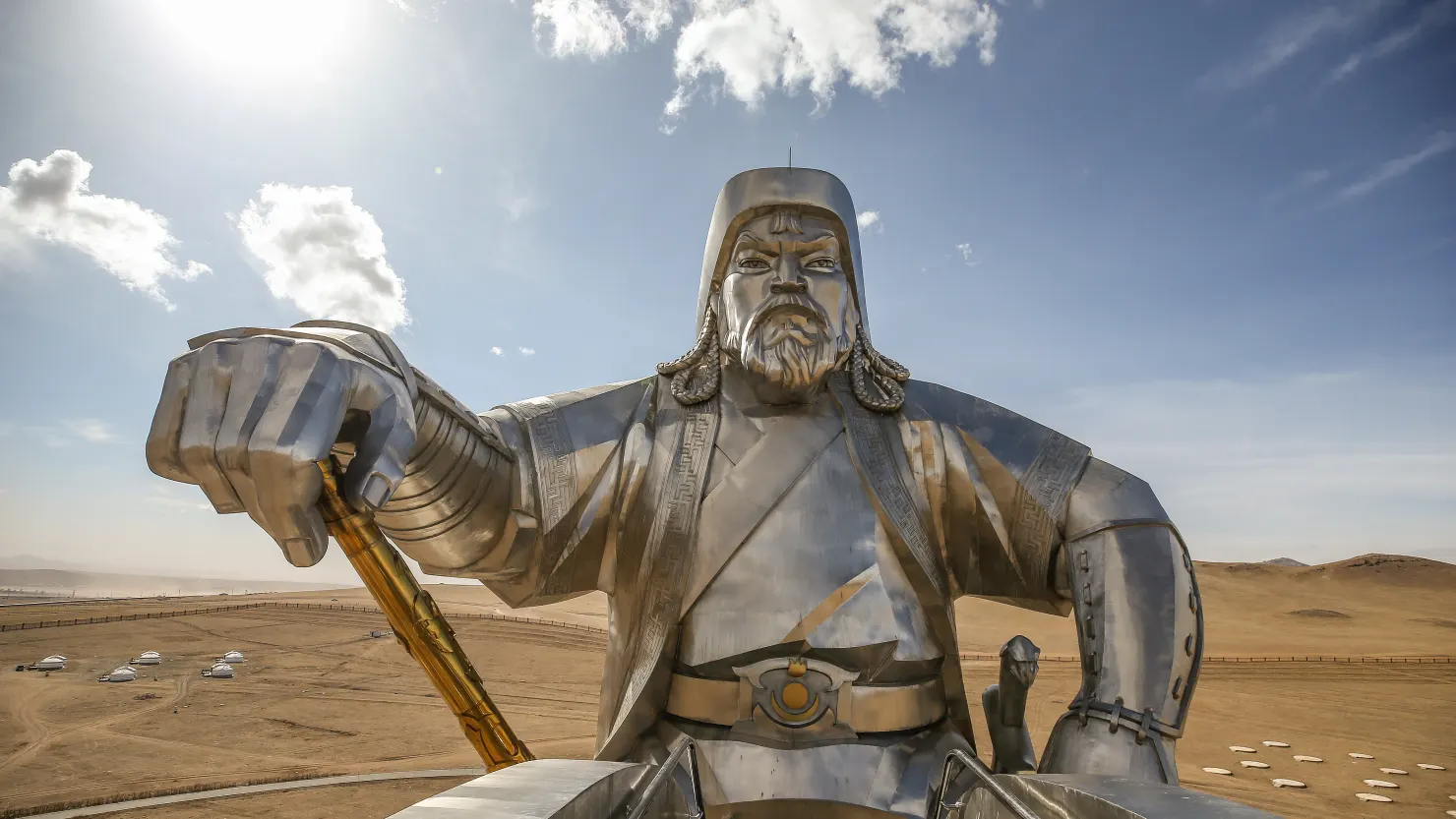
Mongolia Bets on Data and Clean Energy: A New Era of Growth Beyond Mining
Mongolia, a country long known for its vast mineral wealth and dependence on mining, is now taking bold steps to diversify its economy. The government is laying the groundwork for a new chapter—one built around renewable energy and digital innovation. Central to this vision is the development of large-scale data centers powered by clean energy sources and the launch of the nation’s first sovereign wealth fund, designed to channel mining profits into long-term social and infrastructure development.
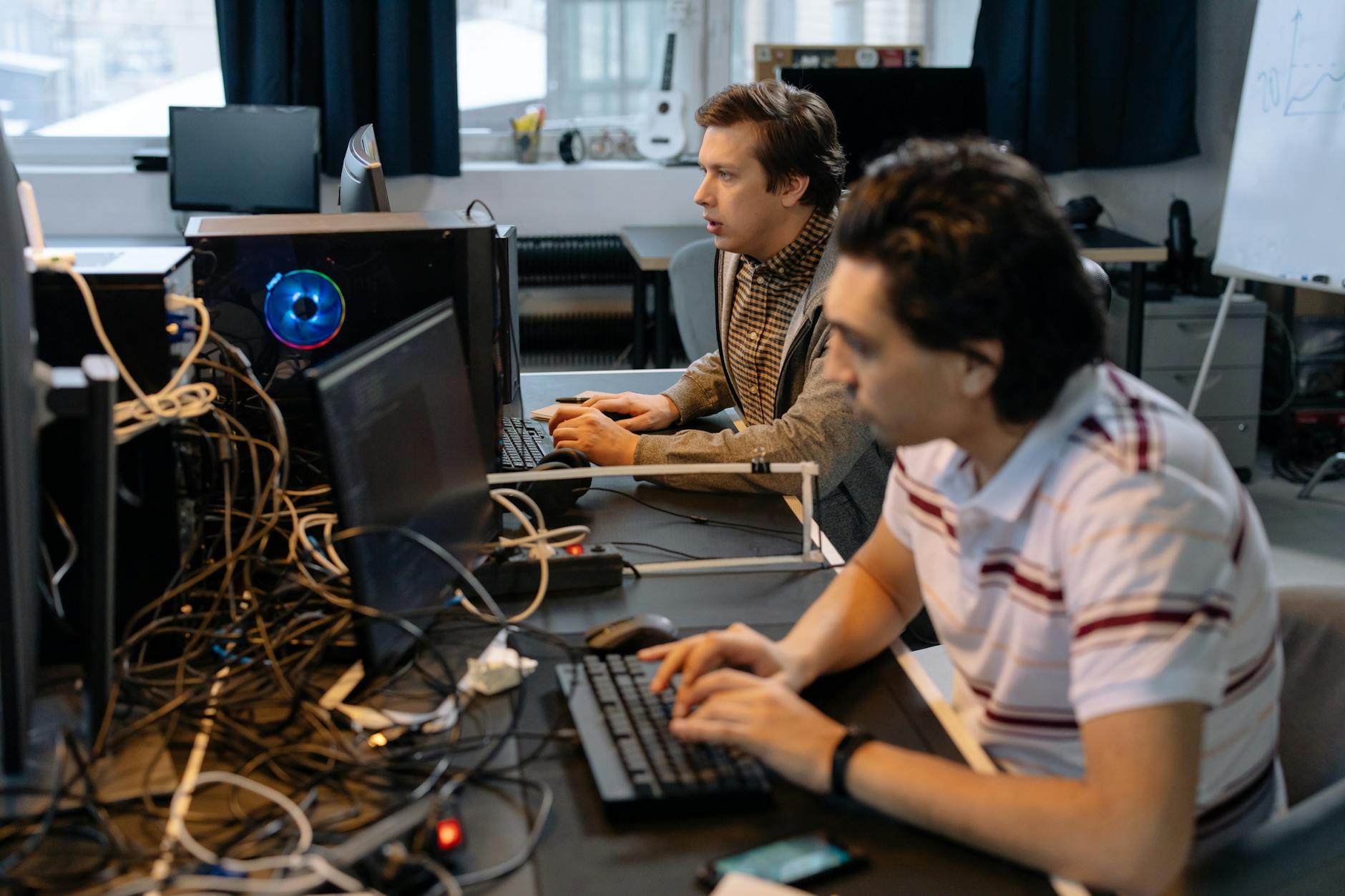
Temuulen Bayaraa, CEO of the Chinggis Khaan Sovereign Wealth Fund, shared this vision during an interview with CNBC at the Milken Institute Asia Summit in Singapore. “We have massive land and a very favorable climate for activities like hosting data centers,” Bayaraa explained, highlighting Mongolia’s natural advantages—vast open spaces, stable geology, and a cool climate that can significantly reduce the costs of cooling servers.
The fund, which was established by law in April last year, currently holds $1.4 billion in reserves. Its mission is to leverage Mongolia’s strategic resources to meet global demand for both computing power and clean energy. Although the government is still finalizing the fund’s investment strategy, plans are already in motion to build special economic zones dedicated to data infrastructure, including Hunnu City, envisioned as a “smart and sustainable urban hub.”
A Strategic Shift Toward the Digital Future
Across Asia, countries are racing to expand their data infrastructure to keep up with the explosive demand for cloud computing and artificial intelligence. Japan, Singapore, and Malaysia have all significantly increased their investments in data center capacity this year. Mongolia, with its abundant renewable resources and strategic location between Russia and China, is now entering this competition with a unique advantage—clean, affordable, and scalable energy potential.
Global energy demand from data centers is soaring. According to Goldman Sachs, electricity consumption from data centers is expected to grow by 50% by 2027 and could surge by as much as 165% by 2030. With the AI revolution driving the need for massive computing power, countries that can provide reliable and sustainable electricity will be key players in the new digital economy.
For Mongolia, this represents a historic opportunity. Bayaraa emphasized that part of the sovereign fund’s returns will be reinvested into “mega-scaled renewable energy projects,” building power grids designed not only for domestic use but also for exporting green electricity to neighboring countries. The government has already upgraded its diplomatic relations with both China and Russia to “comprehensive strategic partnerships,” setting the stage for stronger cross-border cooperation on energy and technology.
Investing in a Greener, More Equitable Future
The Mongolian government has pledged to raise the share of renewable energy—especially wind and solar—in its electricity mix to 30% by 2030, up from 18.3% in 2023. This ambitious target aligns with the broader mission of the Chinggis Khaan Fund: transforming natural resource wealth into sustainable national prosperity.
However, Bayaraa acknowledged that the country faces significant risks from commodity price volatility, as Mongolia’s economy remains heavily dependent on mining exports. The sovereign wealth fund is designed to stabilize the economy against such shocks, providing a long-term buffer and ensuring that mining revenues are invested prudently.
The fund is managed by Erdenes Mongol, a government-owned holding company that controls major stakes in Mongolia’s mining assets. The nation’s mineral portfolio includes coal, copper, uranium, and rare-earth elements—resources critical for global industries ranging from renewable energy to electronics.
With a population of just 3.5 million, Mongolia’s resource wealth could, in theory, make every citizen significantly more prosperous. Yet, for many years, Mongolians have felt disconnected from the profits generated by their country’s mining boom.
Rebuilding Trust Through Transparency
Public frustration over corruption and inequality in the mining sector has fueled widespread protests in recent years. Earlier this year, anti-corruption demonstrations in Ulaanbaatar, the nation’s capital, led to the resignation of Prime Minister Oyun-Erdene Luvsannamsrai.
Bayaraa acknowledged the challenge, noting that “people didn’t feel like mining contributed to the betterment of their livelihoods while eroding natural resources.” The new sovereign wealth fund, she said, aims to rebuild public trust by ensuring transparency and equitable distribution of the country’s resource wealth.
The fund will act as a central pillar in Mongolia’s national development strategy, pooling mineral revenues into a ring-fenced account to support education, healthcare, housing, and social welfare. Citizens will even have access to a digital platform where they can view details about the fund’s income sources, allocations, and balances—an unprecedented step toward open governance in Mongolia’s public finance system.
“The critical work now is to build a governance model that people can trust,” Bayaraa said. “We’re focusing on targeted interventions that will expand the middle class, improve labor market participation, and support long-term human development.”
Bringing Talent Home
To execute this ambitious plan, the fund’s leadership intends to recruit members of the Mongolian diaspora—professionals with experience in global finance, banking, and wealth management—to return home and help build the institution. By attracting skilled talent from abroad, Mongolia hopes to strengthen its domestic capacity in investment management and financial governance.
“For the longest time, Mongolia has been attracting investment into Mongolia,” Bayaraa reflected. “For the first time, we are becoming an investor—contributing to the global agenda.”
This marks a significant mindset shift. Instead of being seen solely as a resource supplier, Mongolia is positioning itself as a strategic investor in the global green and digital economies.
A Nation Redefining Its Future
The creation of the Chinggis Khaan Sovereign Wealth Fund is more than an economic reform—it’s a statement of intent. Mongolia aims to move beyond its mining legacy and emerge as a model for sustainable growth, digital transformation, and transparent governance.
By channeling mineral wealth into renewable energy and digital infrastructure, Mongolia is laying the foundation for a resilient, future-focused economy—one that not only powers the world’s data but also empowers its own citizens.
If successful, this strategy could turn Mongolia into one of Asia’s most unexpected success stories: a nation that transformed from a mining-dependent economy into a regional hub for clean energy and digital innovation. In doing so, it may finally realize the promise of its rich natural resources—not just for investors or industries, but for every Mongolian.