Andrew Ross Sorkin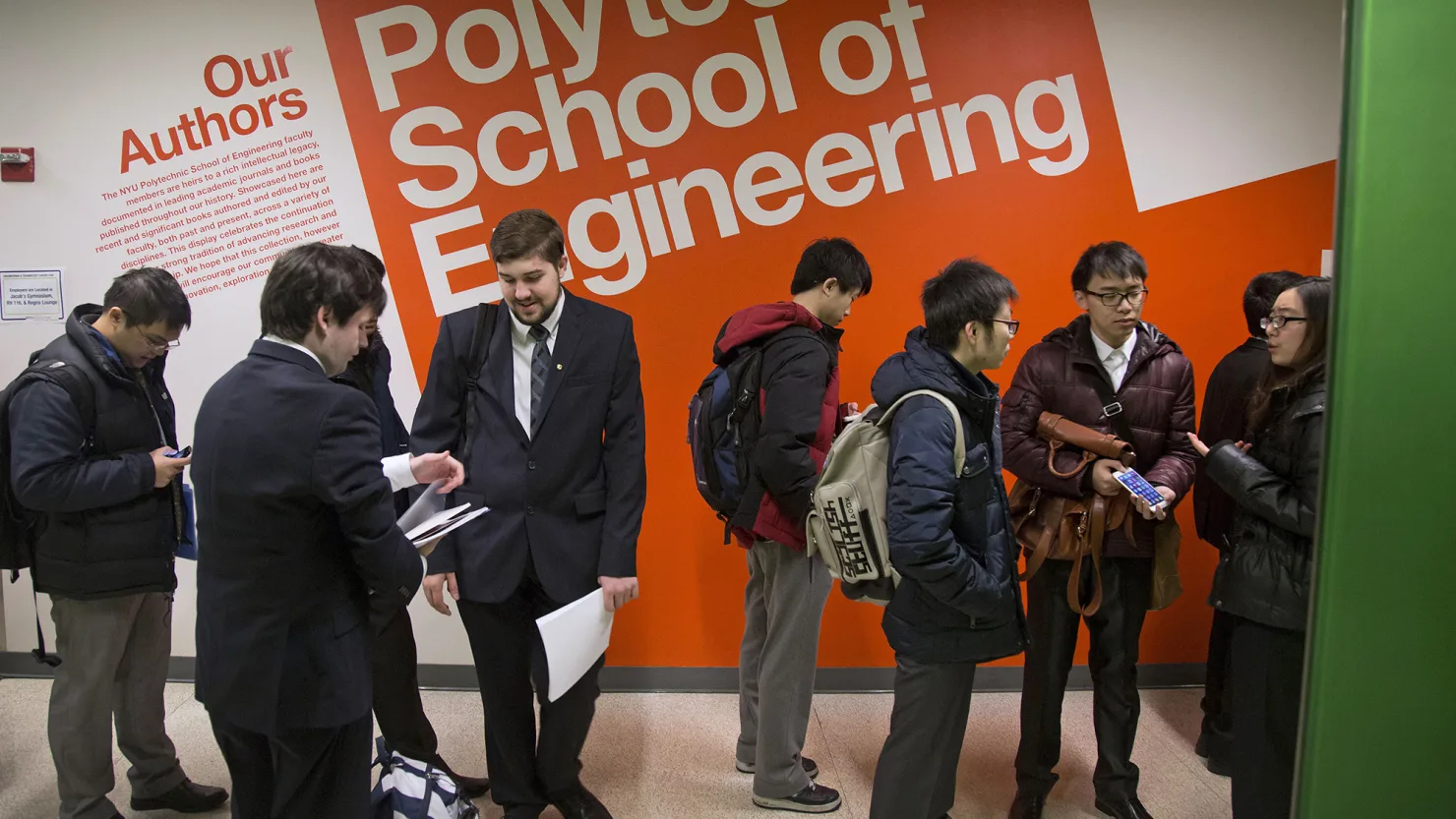

After graduating from Georgetown University with a polished résumé and multiple internships, 23-year-old Christina Salvadore imagined herself stepping into a dream role in New York’s fashion or beauty scene. Instead, she’s back in her childhood home in Florida, filling out job applications and refreshing LinkedIn around the clock.
“It’s hard when people ask, ‘So what are you doing now?’” Salvadore said. “I just tell them I’m still looking — because that’s all I’ve been doing.”
Her story isn’t unique. Across the United States, a growing number of young college graduates are facing unprecedented challenges in securing their first full-time jobs. Despite holding degrees and professional experience, they are struggling to break into industries that once welcomed new talent.
A Generation Left Behind
Federal data shows that the unemployment rate for “new entrants” — a group that includes recent graduates and others seeking full-time work — has climbed to its highest level in nine years. The share of these job seekers in the total unemployed population is also at a multi-decade high, signaling a troubling trend: the U.S. labor market has become increasingly unfriendly to young professionals.
According to Gad Levanon, chief economist at the Burning Glass Institute, this shift marks a turning point. “The U.S. has become no country for young grads,” he noted, explaining that for the first time in modern history, a bachelor’s degree no longer guarantees access to white-collar opportunities.
Levanon’s analysis found that 20- to 24-year-olds with college degrees are facing unemployment at historically high rates compared with their less-educated peers. The long-standing advantage of a university diploma is shrinking, narrowing the gap between degree holders and high school graduates to its smallest margin in over two decades.
Struggling and Sharing Online
On TikTok and other social media platforms, new graduates have turned their job-hunting frustrations into a digital diary. Videos under hashtags like “post-grad life” and “job search” reveal countless stories of young people moving back home, applying to hundreds of positions, and feeling demoralized after being “ghosted” by employers.
Some even describe themselves as “crashing out” — emotionally drained and unsure of their next steps.
Michael Hartman, a recent economics graduate from Boston College, admitted that after ten months of job searching, he even consulted a psychic for career advice. “I just needed to know if things would eventually turn around,” he said.
Economic Headwinds
These struggles have not gone unnoticed by policymakers. Federal Reserve Chair Jerome Powell recently acknowledged that young job seekers are finding it increasingly difficult to enter the workforce, citing a “low-firing, low-hiring” environment. The latest data from the Bureau of Labor Statistics supports that view: hiring and quitting rates have slowed, and the number of people unemployed for more than six months has surged by about 25% compared to last year.
The mismatch between supply and demand is also contributing to the problem. Levanon noted that the number of Americans earning bachelor’s degrees continues to rise, but the job market isn’t expanding fast enough to absorb them. “There are simply more college graduates than there are degree-level jobs,” he explained. This could eventually discourage younger generations from pursuing higher education altogether.
At the same time, the rise of artificial intelligence is reshaping the entry-level job landscape. A Stanford study found that workers aged 22 to 25 in AI-exposed occupations have seen employment drop 13% since 2022. Major employers such as Walmart and Accenture have also suggested that automation will significantly reduce the need for certain white-collar roles.
The Psychological Toll
For many young adults, the uncertainty of the job market has become deeply personal. University of Michigan data shows that workers aged 18 to 34 now report their highest perceived risk of job loss in more than a decade.
Boise State University student Emma Zatkulak, who is completing her final semester, started her job search months earlier than planned after watching friends struggle. “It’s been incredibly stressful,” she said. “I’m trying to finish school, work two part-time jobs, and send out applications — I haven’t felt relaxed in months.”
Opportunities Depend on Industry
Still, experts say the challenges aren’t universal. Job postings for software developers remain far below pre-pandemic levels — about 66% of what they were — while openings for nurses have actually increased by around 16%.
“It’s a very real phenomenon,” said Laura Ullrich, Indeed’s director of economic research for North America. “But it doesn’t affect all graduates equally. It depends heavily on the sector.”
Even so, Ullrich noted that fewer industries have added jobs in the past six months than have lost them, a pattern historically seen during or around recessions. The technology sector, in particular, has pulled back dramatically from entry-level hiring. A report by venture capital firm SignalFire shows that large tech companies have cut hiring for early-career workers by more than 50% since 2019. Startups have followed suit with a 47% decline.
Living in Limbo
For many, the long job search has become a full-time commitment of its own.
Julia Vasedkova, an English graduate from Rhodes College in Tennessee, said she’s sent out hundreds of applications with little success. “It’s exhausting,” she said. “Some days, it feels like applying for jobs is the job.”
Now living frugally to afford rent and essentials, she often skips social gatherings to save money — and to spend more time on job boards. “It’s isolating,” she admitted. “It feels like my life is on pause until I finally get that offer.”
As young Americans confront the harsh realities of a tightening job market, their optimism about the traditional college-to-career pipeline is fading fast. What was once seen as a guaranteed path to stability now feels like an uncertain gamble — one that an entire generation is paying for in anxiety, frustration, and lost time.