Andrew Ross Sorkin
The U.S. dollar regained strength on Monday after an initial decline, as investors speculated that Washington might ease its latest trade tensions with Beijing. Meanwhile, political uncertainties in France and Japan weighed down the euro and yen, respectively.
The dollar index, which tracks the greenback’s performance against six major currencies, edged up to 99.002. This partial rebound followed earlier losses triggered by President Donald Trump’s announcement of new 100% tariffs on Chinese imports.
The move revived memories of April’s “Liberation Day” tariff surge, which had previously shaken global markets, sending both stocks and cryptocurrencies sharply lower.
“It’s definitely a nervous environment right now,” said Tim Kelleher, head of institutional FX Sales at Commonwealth Bank in Auckland. “If you look at the U.S.-China situation, it seems like Trump has softened his stance again,” he added, referring to traders’ joke that “Trump always chickens out” after aggressive statements.
Earlier on Monday, Trump tried to reassure markets through his Truth Social account, posting: “Don’t worry about China, it will all be fine! President Xi just had a rough moment. He doesn’t want Depression for his country, and neither do I. The U.S.A. wants to help China, not hurt it!”
Market activity was relatively subdued as the U.S. marked Columbus Day (also known as Indigenous Peoples’ Day) and Japan observed Health and Sports Day, reducing overall liquidity in global trading.
The dollar climbed 0.5% against the yen to 151.985, as traders evaluated Japan’s shifting political landscape. Newly appointed Liberal Democratic Party leader Sanae Takaichi faces an uphill battle after the Komeito Party’s sudden withdrawal from the ruling coalition on Friday — a move that may complicate her bid to become Japan’s first female prime minister.
The euro slipped 0.1% to $1.1609 after French President Emmanuel Macron unveiled Prime Minister Sebastien Lecornu’s new cabinet lineup on Sunday, which retained Roland Lescure as finance minister — a sign of continuity in economic policy despite growing domestic pressures.
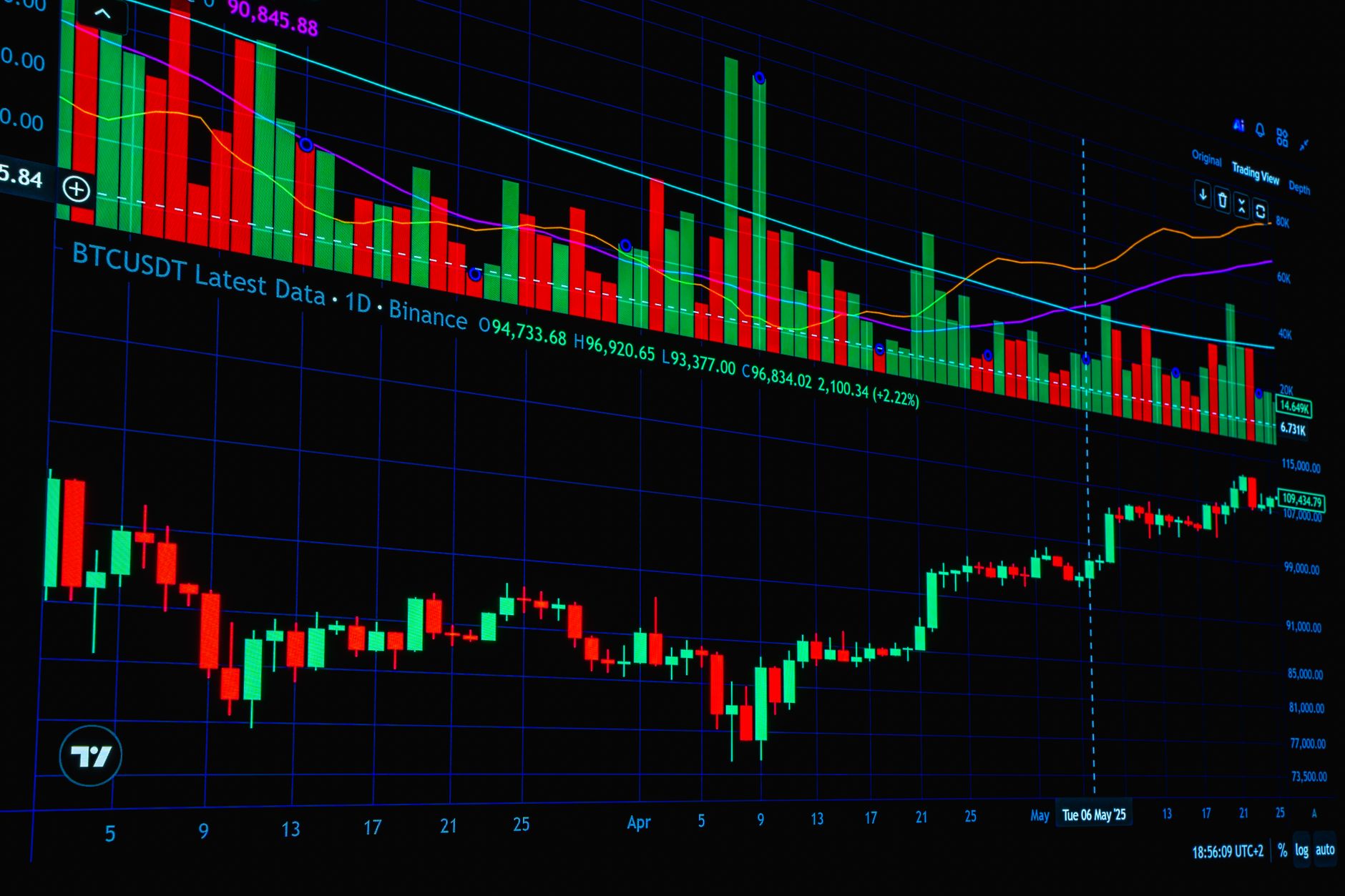
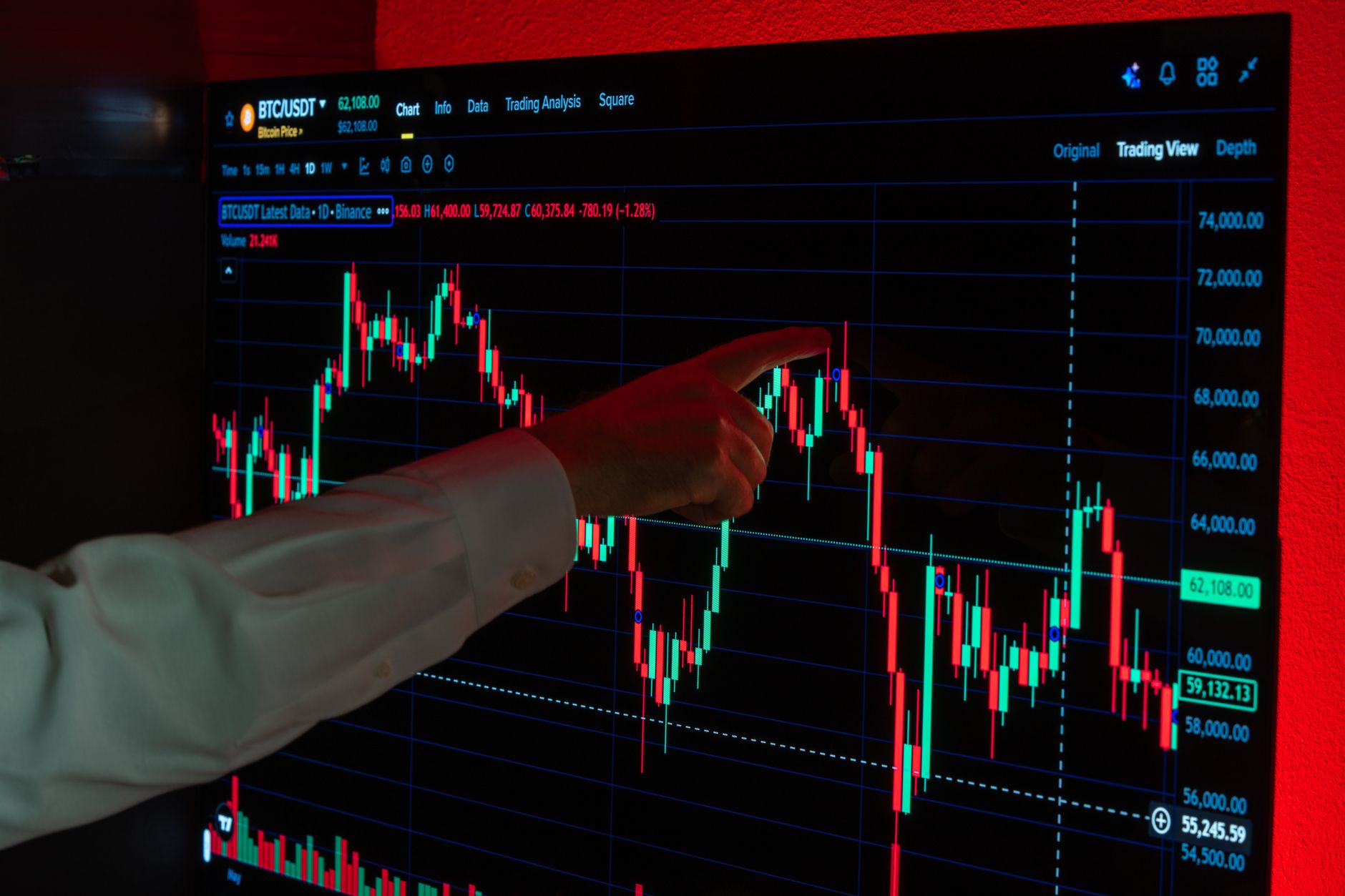
Cryptocurrency markets remained volatile after Friday’s sharp downturn. Bitcoin last traded at $115,486.04, up 0.4%, while gold extended its rally to a record $4,059.30 per ounce, gaining 0.8%.
In Asia, the offshore yuan strengthened slightly, trading at 7.137 per dollar. The Australian dollar rose 0.6% to $0.6513, and the New Zealand dollar gained 0.3% to $0.57345.
Meanwhile, the British pound edged up 0.1%, trading at $1.33415 as investors awaited further clarity on U.K. economic data later this week.
Overall, Monday’s currency movements reflected a fragile calm — one that could easily shift again depending on Washington’s next move in its complex relationship with Beijing.