Andrew Ross Sorkin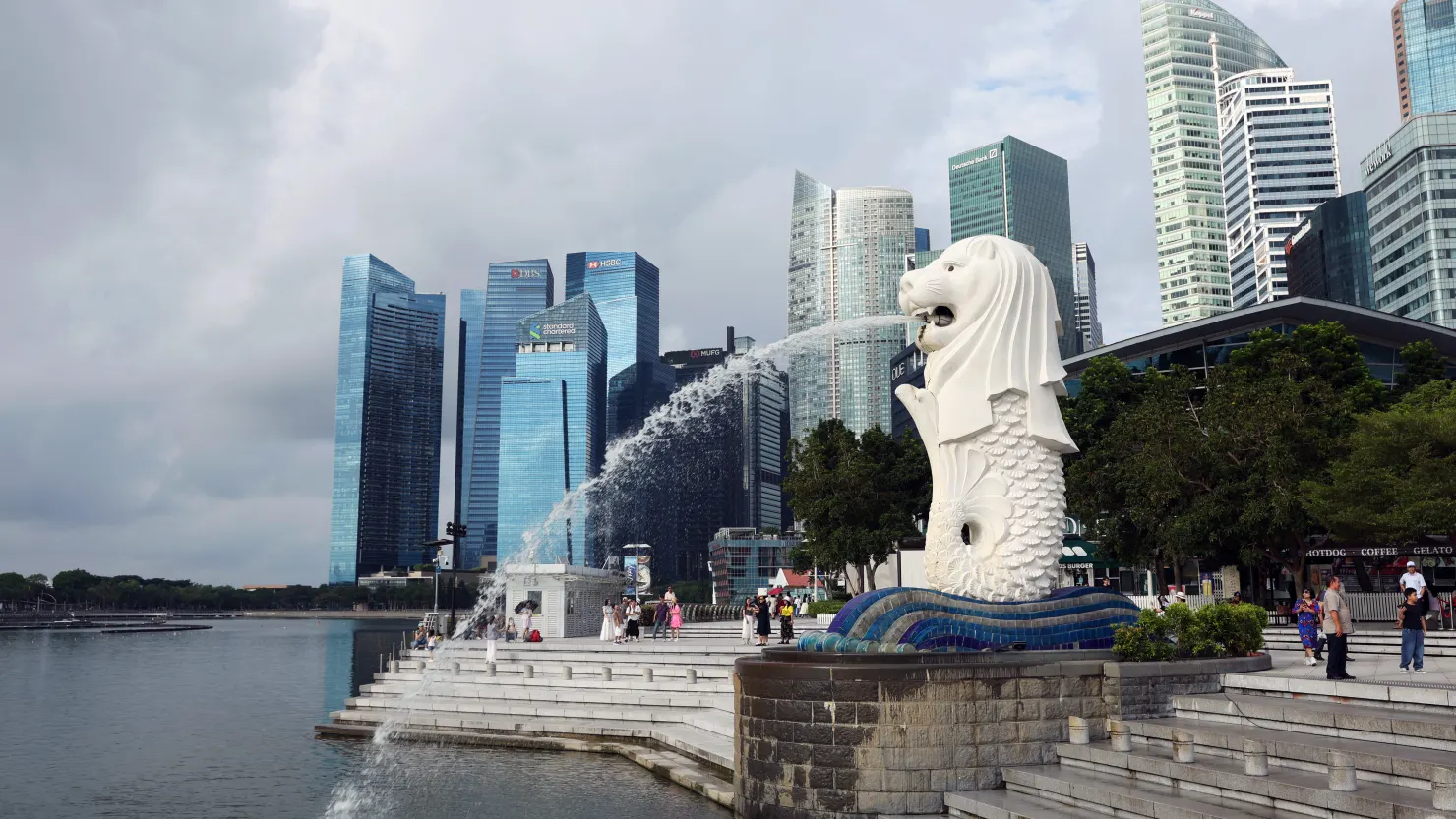
Wealthy entrepreneurs around the world are showing an increasing desire to relocate—but their motivations go far beyond tax breaks, according to a new global survey by HSBC.
The survey, conducted between April and May, polled nearly 3,000 business owners with at least $2 million in investible assets or a total net worth of $20 million. More than half—57%—said they were planning to acquire a new residence in the next 12 months, slightly higher than the 55% recorded last year. Among younger entrepreneurs, particularly those from Generation Z, the urge to move was even stronger, with over 75% considering relocation.
Interestingly, tax efficiency was not at the top of their list of motivations. Only about one in three respondents said they were moving to reduce their tax burden, ranking that reason far below others such as personal safety, education, and lifestyle. Better security and safety appealed to 47% of respondents, while improved educational opportunities were important for 52%. The most common reasons—each cited by 67%—were expanding their businesses into new markets and accessing new investment opportunities. A better quality of life followed closely, with 63% listing it as a key motivator.
“Taxes may generate headlines,” the HSBC report noted, “but for most entrepreneurs, they are not the main factor when deciding where to live.”
The findings come at a time when governments are debating wealth taxes—France, for example, has seen renewed discussion around a potential levy on high-net-worth individuals, and recent tax changes in the United Kingdom have stirred concerns of a possible exodus among the wealthy.
In the United States, relatively fewer respondents expressed interest in moving abroad compared with their global peers. Yet, among those who did, the desire to experience a new culture stood out as the leading motivation—72% of American respondents mentioned it, far above the global average of 57%. Ultra-wealthy individuals with assets over $100 million also showed a strong preference for cultural exploration, at 61%. In contrast, French entrepreneurs appeared the most attached to their homeland, with only 39% expressing interest in relocating.
When asked about preferred destinations, Singapore topped the list with 12% of respondents naming it as their choice, followed by the United Kingdom at 10%. Japan and Switzerland were tied at 9%, while the United States, despite recent trade tensions and tariff announcements, was cited by 8%—the same figure as last year, although it slipped from second to fifth place among the most desirable destinations.
The 2025 report highlighted Japan’s growing appeal, especially among entrepreneurs from Asia, who are increasingly drawn to its stability, innovation, and cultural richness. Switzerland, meanwhile, stood out for its quality of life. In fact, it was the only country where more respondents ranked lifestyle (57%) above access to investments (49%) or business expansion (48%). Japan was the only other nation where cultural experiences ranked higher than educational opportunities as a reason to relocate.
Despite the strong business motivations behind many relocation decisions, personal challenges also weighed heavily on entrepreneurs’ minds. Forty percent expressed concern about adjusting to a new environment, while 36% worried about rebuilding their business operations from scratch.
Overall, the report paints a picture of a global elite increasingly motivated not just by financial optimization but by a broader search for opportunity, cultural enrichment, and personal fulfillment. As borders reopen and economies stabilize, the next generation of entrepreneurs seems ready to follow their ambitions—wherever in the world they may lead.