Andrew Ross Sorkin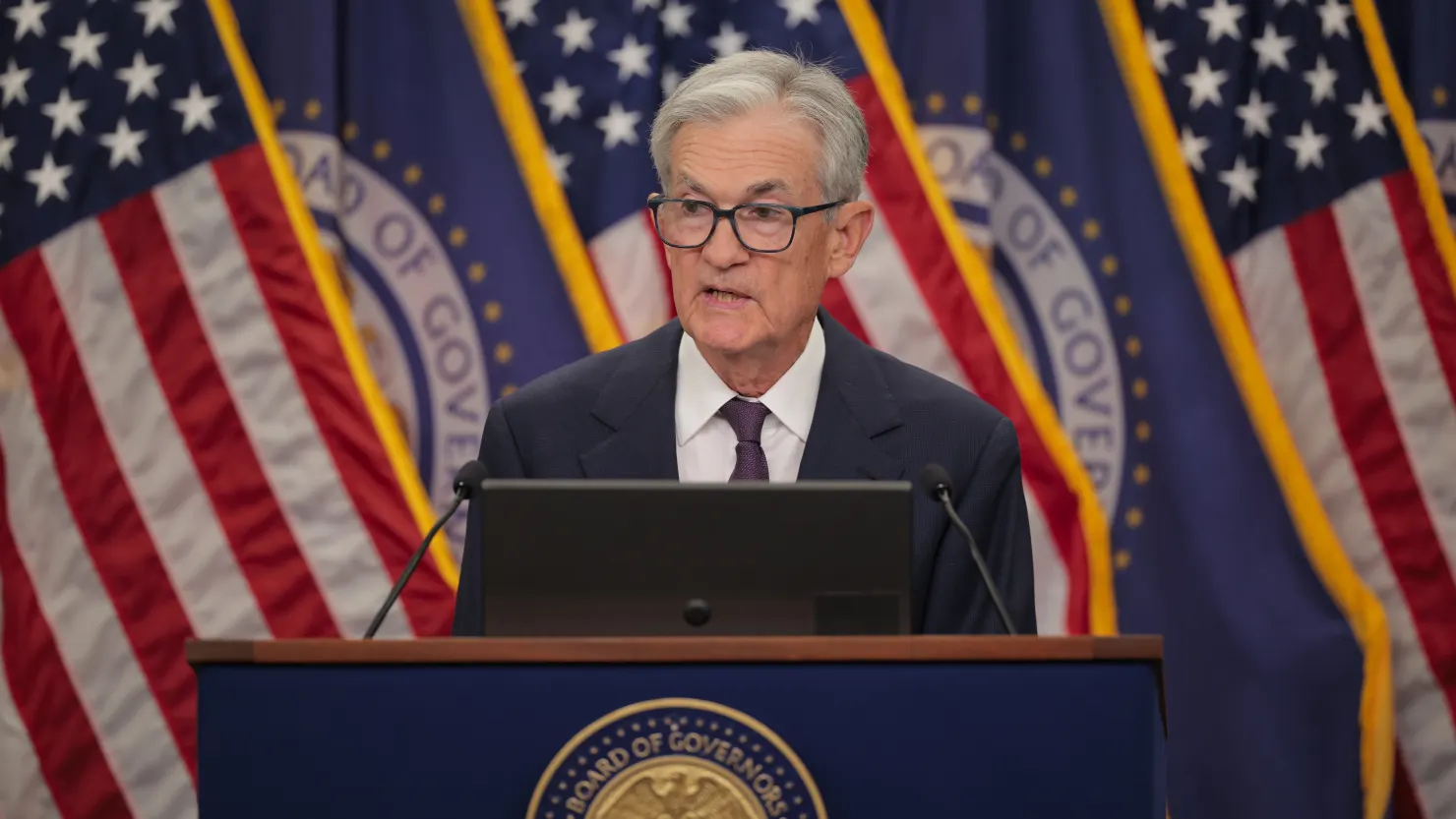
If any uncertainty still lingers over whether the Federal Reserve will reduce interest rates later this month, the political gridlock unfolding in Washington may have just sealed the deal.
According to analysts, if the budget standoff in the nation’s capital persists for more than a few days, Fed Chair Jerome Powell and his colleagues are likely to take a cautious approach — one that favors cutting rates rather than maintaining them.
Krishna Guha, head of global policy and central bank strategy at Evercore ISI, noted that the government shutdown and the resulting delays in economic data make a rate cut in October even more likely. “The U.S. government shutdown and data disruptions increase what was already a strong expectation for an October rate cut,” Guha wrote in a client briefing.
He added that the potential economic damage caused by the shutdown, combined with existing worries about the labor market, will probably outweigh lingering inflation concerns. “Even with the Fed’s careful language, it’s now less likely they’ll see enough positive labor market data to justify holding rates steady,” Guha said, suggesting that the central bank might move ahead with consecutive cuts through the end of the year as previously outlined.
During its September meeting, a slim majority of Federal Open Market Committee (FOMC) members favored two rate cuts before the end of 2025, rather than just one. While some policymakers have voiced concerns that tariffs could fuel renewed price pressures, most continue to see inflation trends as temporary and expect a gradual return to the Fed’s 2% target over the next few years.
Financial markets have responded accordingly. Futures data tracked by CME Group’s FedWatch tool now show a 100% probability of a rate cut in October and an 88% chance of another in December — both higher than before the shutdown began at midnight on Thursday.
Bank of America analysts observed that, historically, government shutdowns tend to end before major Fed meetings. However, if the impasse continues through the Fed’s scheduled October 28–29 gathering, the bank’s economists believe there are two strong reasons the central bank could still proceed with a cut.
“First, unless a solid September jobs report is available, Powell may favor another ‘risk management’ cut to safeguard growth,” wrote BofA economist Stephen Juneau. “Second, the Fed will likely want to counteract the potential economic drag from an extended shutdown, especially if government employees remain out of work.”
The Congressional Budget Office estimates that each day of the shutdown results in about 750,000 federal employees being temporarily laid off, with a combined daily compensation loss of roughly $400 million.
In previous shutdowns, workers have typically been reinstated with back pay once the government reopened. But this time, uncertainty looms larger: former President Donald Trump has hinted at reviewing federal payrolls and possibly making some furloughs permanent.
Such a move could further weaken a labor market that is already showing signs of strain. According to ADP data, private payrolls declined by 32,000 in September. A broader employment report from the Bureau of Labor Statistics — which includes federal workers — will not be released as scheduled if the shutdown persists, leaving both policymakers and markets flying partially blind.
In this environment of fiscal uncertainty and limited data visibility, the Fed’s upcoming decision is becoming less about whether to cut rates — and more about how aggressively to do so.