Andrew Ross Sorkin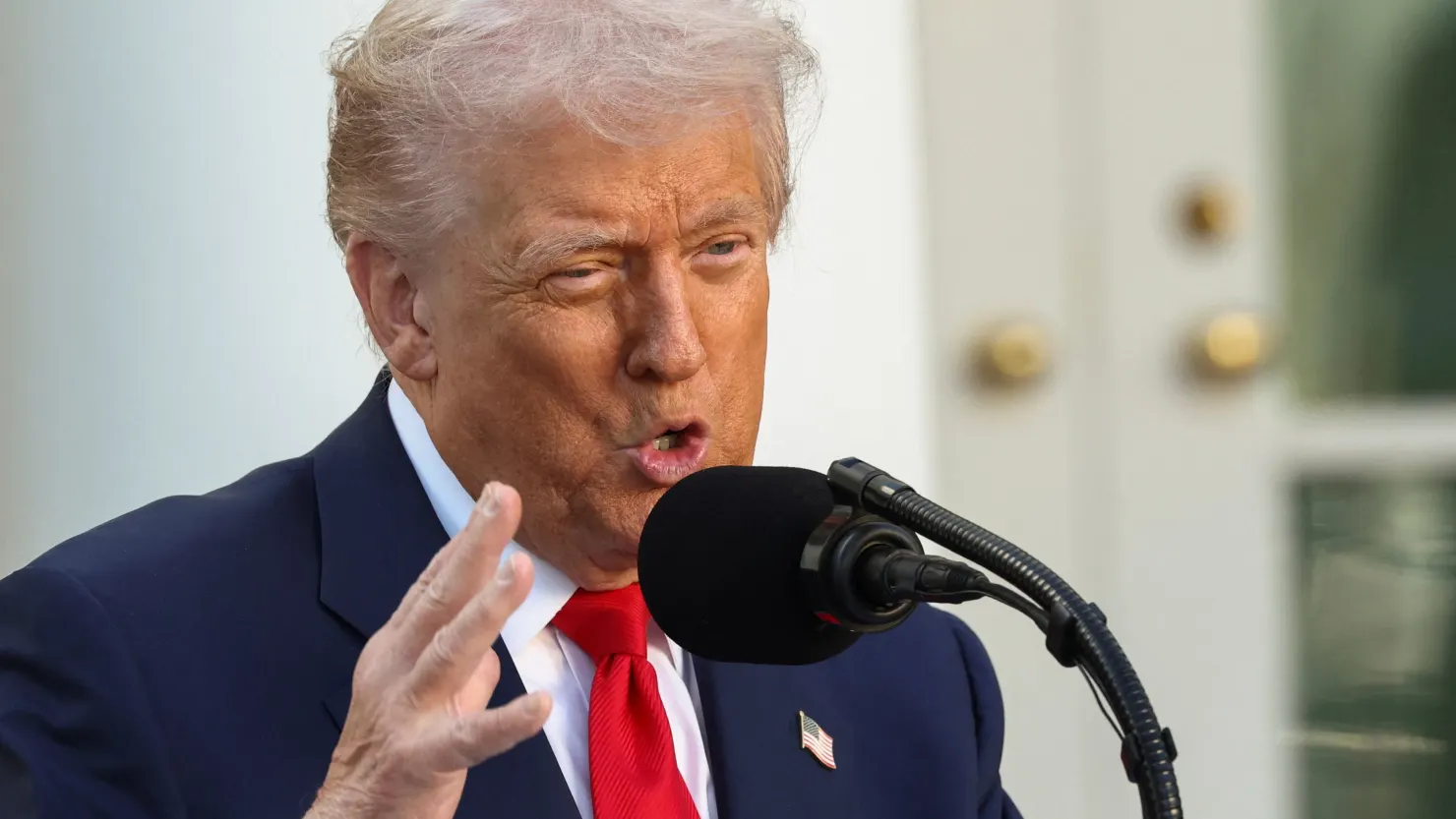

U.S. markets experienced a turbulent session on Tuesday, swinging sharply between gains and losses — a performance as unpredictable as the later seasons of Game of Thrones.
Early in the day, the S&P 500 dropped as much as 1.5%, but optimism briefly returned after U.S. Trade Representative Jamieson Greer suggested that China’s next trade decisions could influence how President Donald Trump’s tariff policies are implemented. That hint lifted investor sentiment for a few hours, pushing major indexes into positive territory.
However, the rebound proved short-lived. Later in the day, Trump announced that he was considering “terminating business with China having to do with Cooking Oil,” along with other forms of retaliation, following Beijing’s suspension of U.S. soybean purchases since May. The market’s enthusiasm evaporated quickly, and by the close of trading, the S&P 500 had slipped 0.2%.
Despite those trade tensions, there were signs of resilience elsewhere in the economy. Federal Reserve Chair Jerome Powell hinted that the central bank might pause its balance sheet reduction — a move that could maintain liquidity and ease some financial strain. Meanwhile, several major U.S. banks, including JPMorgan Chase, Citigroup, and Goldman Sachs, exceeded earnings expectations, suggesting that underlying economic fundamentals remain solid.
In the tech sector, Oracle made headlines by announcing plans to deploy 50,000 of AMD’s Instinct MI450 artificial intelligence chips starting in the second half of 2026. The decision marks a shift away from heavy reliance on Nvidia’s graphics processing units, signaling a broader industry trend toward diversifying AI chip suppliers. While the move may not please Nvidia CEO Jensen Huang, investors betting on continued growth in AI-driven markets viewed the development as a healthy sign of competition and risk distribution.
Still, uncertainty lingers. The question facing investors now is whether Trump’s escalating tariff threats could derail the market momentum fueled by AI optimism — or whether the so-called “Magnificent Seven” tech giants can continue to prop up the economy despite geopolitical turbulence.
Key developments of the day
Trump threatens China with cooking oil embargo.
In response to Beijing halting its purchases of U.S. soybeans, Trump said he is considering new trade restrictions, including a potential embargo on cooking oil. U.S. Trade Representative Jamieson Greer added that whether 100% tariffs on China come into effect will depend on how Beijing responds.
Powell signals a potential policy pause.
Federal Reserve Chair Jerome Powell indicated that the Fed may stop tightening monetary policy by halting its reduction of bond holdings, a move that could help maintain liquidity and support economic stability.
Oracle to adopt AMD AI chips.
Oracle announced it will incorporate AMD’s Instinct MI450 chips into its cloud infrastructure beginning in late 2026, underscoring growing interest in alternatives to Nvidia hardware for AI workloads.
Market snapshot.
U.S. stocks were mixed by the end of trading. The S&P 500 and Nasdaq Composite both dipped slightly but managed to recover from earlier lows, while the Dow Jones Industrial Average ended the day in positive territory. Across the Atlantic, Europe’s Stoxx 600 index fell 0.37%, hitting a two-week low.
A European fixed-income opportunity.
According to BlackRock’s James Turner, co-head of global fixed income in EMEA, a niche area of European bonds currently offers real value and can provide protection against potential interest rate volatility — a rare bright spot amid the global market’s uncertainty.
In other news
Trump declares the war over, but peace remains uncertain.
While President Trump has received praise for helping broker an immediate halt to the conflict between Israel and Hamas, experts caution that maintaining long-term peace will be far more complex. His 20-point peace plan, though ambitious, lacks detailed mechanisms for implementation — leaving many unresolved issues and potential flashpoints.
Among these challenges are the demilitarization of Hamas, the withdrawal of Israeli forces from parts of Gaza, and the question of how to move toward a viable two-state solution. Analysts warn that without clear terms and sustained diplomatic engagement, the region could once again slide into instability despite the current calm.
In short, markets and politics alike remain on edge — both awaiting clarity on how Trump’s trade and foreign policies will unfold, and whether global optimism can withstand another round of volatility.