Andrew Ross Sorkin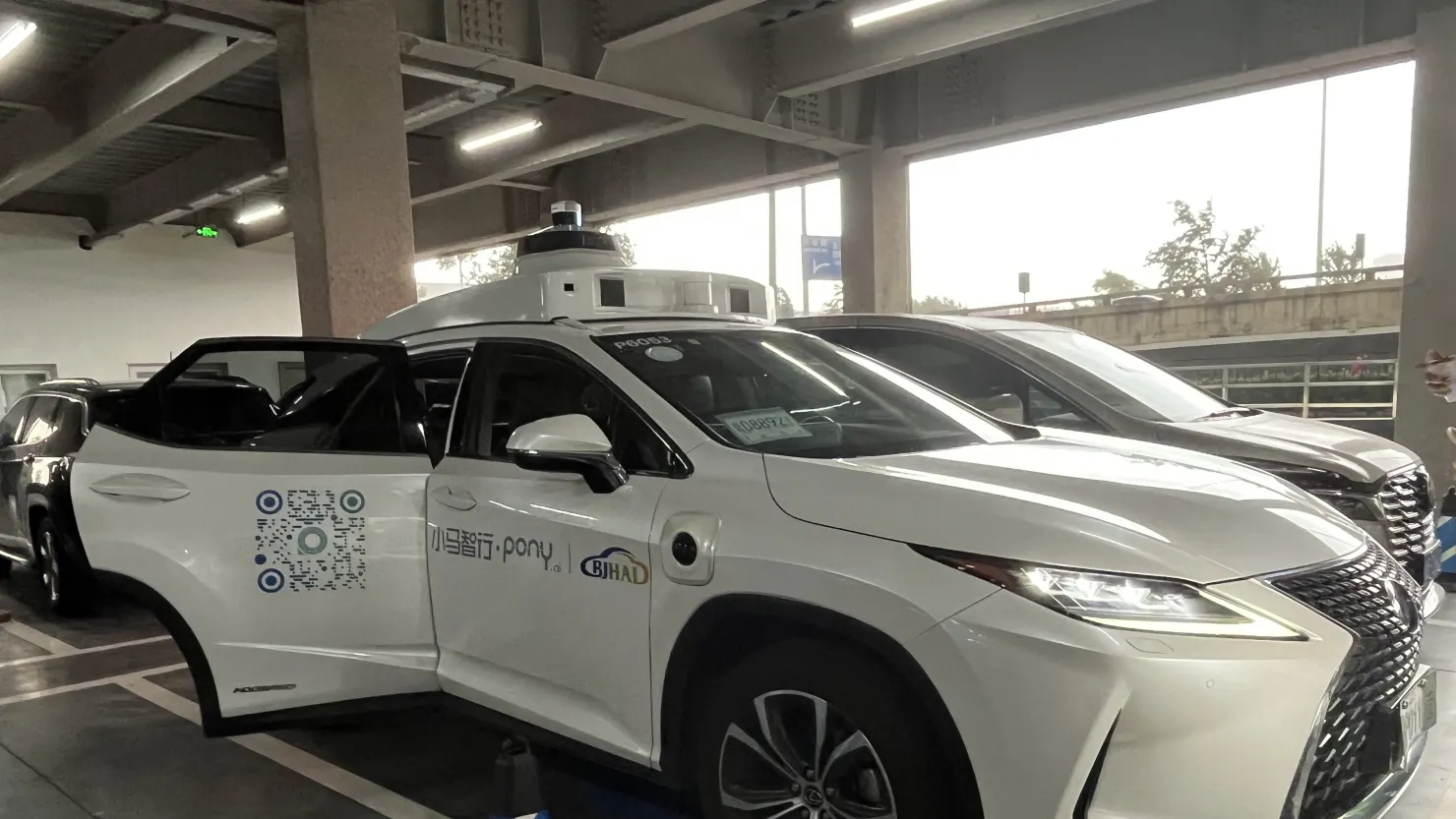
Chinese autonomous vehicle startup Pony.ai announced on Friday a strategic collaboration with Stellantis, the multinational automotive company, to begin testing self-driving taxis in Europe. This move represents a significant step for Pony.ai as it seeks to expand its global footprint beyond Asia and North America. The European tests will initially take place in Luxembourg, where Pony.ai’s European division is headquartered, with plans for a gradual rollout to other cities across the continent beginning next year.
Under the collaboration, Pony.ai will supply its advanced autonomous driving software, while Stellantis will provide the electric vehicles required for the project. The partnership will initially focus on the Peugeot e-Traveller, an electric van from Stellantis’ diverse brand portfolio, which includes Citroën, Chrysler, Jeep, and Peugeot. By combining Pony.ai’s expertise in autonomous systems with Stellantis’ manufacturing and electric vehicle capabilities, the companies aim to create a scalable, safe, and efficient robotaxi service for European urban environments.
Testing autonomous vehicles on public roads is a standard practice for companies aiming to deploy self-driving taxis on a large scale. These pilot programs are crucial to building a solid safety record, which regulators require before approving autonomous ride-hailing services. In Luxembourg, Pony.ai and Stellantis plan to conduct rigorous evaluations of their autonomous technology, focusing on real-world conditions, including city traffic patterns, pedestrian interactions, and complex road scenarios.
“Pony.ai stands out for their technical expertise and collaborative approach,” said Ned Curic, Stellantis’ Chief Engineering and Technology Officer. “The company has demonstrated a high level of proficiency in autonomous vehicle software, and we are confident that together we can deliver a safe and innovative mobility solution for European cities.” Curic added that Stellantis has already developed car systems designed for seamless integration with autonomous technologies, allowing the automaker to partner with top-tier technology companies such as Pony.ai.
This announcement underscores the growing trend of international partnerships in the autonomous vehicle sector, where traditional automakers and technology startups combine strengths to accelerate innovation. While major cities in the United States and China were among the first to open their streets to public-facing robotaxi services, Europe has been gradually moving toward regulatory frameworks that allow autonomous testing and eventual deployment. Luxembourg, known for its forward-looking transportation policies and compact urban environment, provides an ideal starting point for Pony.ai’s European ambitions.
In recent months, Pony.ai has actively sought to expand beyond its home market in China. The company, along with other leading Chinese robotaxi operators such as WeRide, has focused on establishing a presence in North America, the Middle East, and Europe. For instance, in the United States, Pony.ai has conducted extensive trials in California, demonstrating its technology in both suburban and urban conditions. These efforts highlight the company’s ambition to become a global leader in autonomous mobility solutions.
The European test program is expected to gradually scale as Pony.ai and Stellantis gain experience with local road conditions and interactions with European traffic laws. According to the companies, the initial phase in Luxembourg will involve limited, closely monitored operations, with data from these tests informing future deployments in other European cities. By starting with a single city, Pony.ai and Stellantis aim to carefully manage risk, optimize vehicle performance, and ensure regulatory compliance before expanding service coverage.
The rise of robotaxis represents a transformative shift in urban mobility, offering potential benefits such as reduced congestion, lower emissions, and improved transportation accessibility. Electric autonomous vehicles, like those to be deployed by Pony.ai and Stellantis, are particularly well-suited to meet the growing demand for sustainable urban transit solutions. By combining autonomous driving technology with electric propulsion, the companies aim to provide a service that is not only convenient and safe but also environmentally responsible.
The European market presents unique challenges and opportunities for autonomous vehicle companies. Cities in the region often have historic street layouts, high pedestrian density, and diverse traffic patterns, which require highly adaptable autonomous systems. Pony.ai’s software platform, designed with advanced perception and decision-making capabilities, is expected to navigate these complexities effectively. Stellantis’ electric vehicles, meanwhile, offer reliability, energy efficiency, and scalability, supporting the broader adoption of robotaxi fleets.
Competition in the autonomous mobility space is intensifying globally. Earlier this week, Waymo, the U.S.-based robotaxi operator owned by Google parent Alphabet, announced plans to begin testing self-driving taxis in London, with a commercial launch expected next year. The race to establish autonomous mobility services in major urban centers is accelerating, with both technology startups and established automakers seeking first-mover advantages in strategic markets.
Pony.ai and WeRide have also been active in financial markets to support their expansion. Both companies are publicly listed in the United States and recently received regulatory approval in China to pursue a dual listing in Hong Kong. These moves are expected to provide additional capital for scaling operations, expanding international testing programs, and accelerating the commercial rollout of autonomous mobility services. By strengthening their financial positions, Pony.ai and its competitors are better equipped to invest in cutting-edge technology, comply with complex regulations, and compete in a rapidly evolving industry.
The collaboration with Stellantis represents a notable example of how automakers and technology firms are joining forces to bring autonomous vehicles to market. Traditional automakers bring decades of experience in vehicle design, production, and safety, while technology startups contribute advanced software, AI algorithms, and autonomous systems. Together, these partnerships aim to overcome the technical and regulatory challenges of deploying self-driving vehicles in urban settings.
Looking ahead, Pony.ai and Stellantis envision a gradual rollout of robotaxis across European cities, with Luxembourg serving as the initial testbed. Lessons learned from early deployments will guide the expansion strategy, enabling the companies to adapt to different urban environments, traffic conditions, and regulatory requirements. By combining innovative technology with established automotive expertise, Pony.ai and Stellantis hope to accelerate the adoption of autonomous, electric mobility solutions and redefine the future of urban transportation in Europe.
As cities worldwide prepare for the autonomous vehicle revolution, collaborations like the one between Pony.ai and Stellantis highlight the importance of strategic partnerships, rigorous testing, and careful regulatory compliance. With their shared vision and complementary strengths, the two companies are positioning themselves at the forefront of the next generation of urban mobility, offering safer, cleaner, and more efficient transportation solutions for the cities of tomorrow.