Andrew Ross Sorkin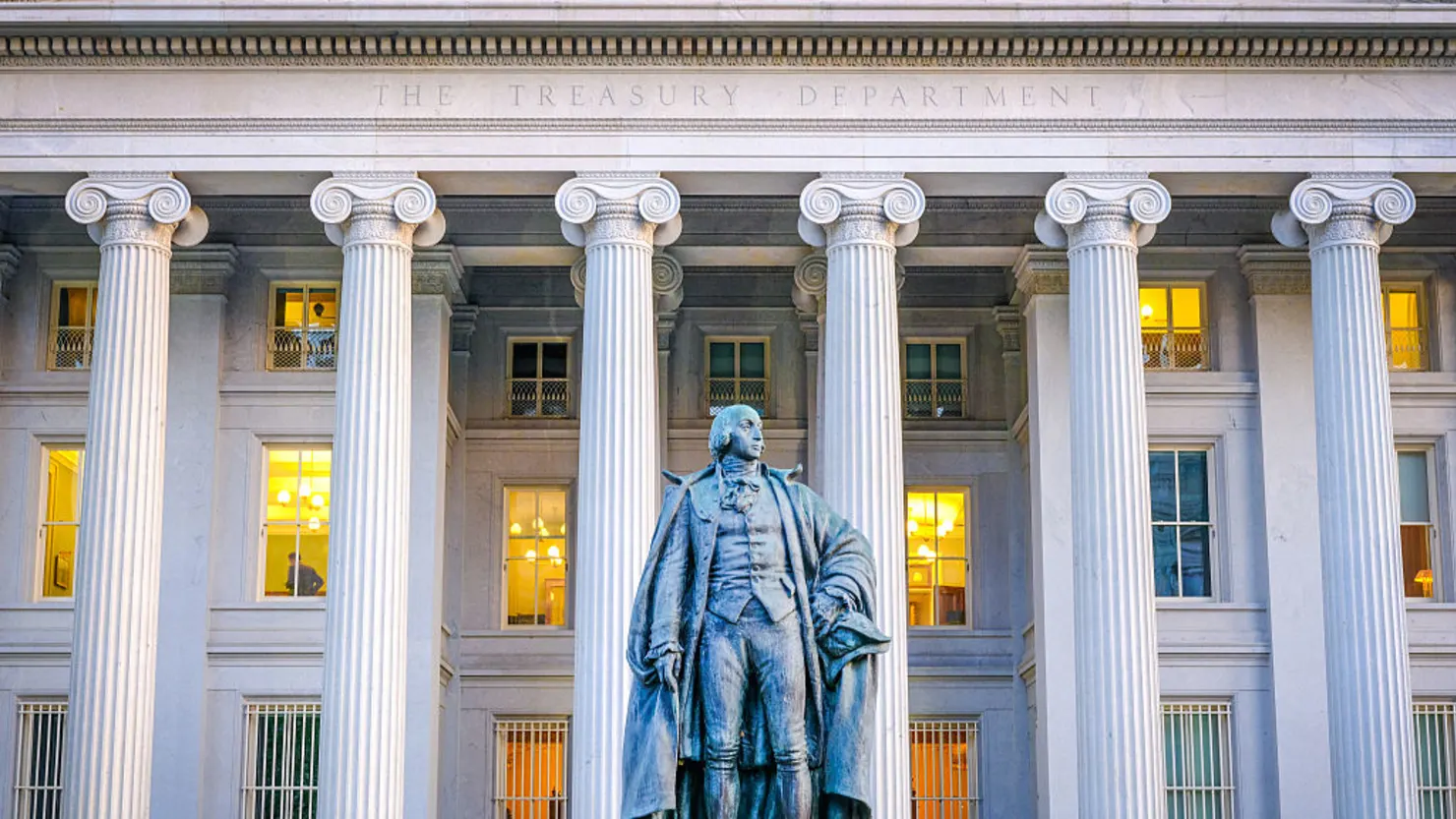
The United States federal budget deficit showed a modest decline in 2025, as record-breaking tariff revenue helped offset unprecedented increases in interest payments on the soaring national debt, according to a Treasury Department announcement on Thursday.
Despite the ongoing challenges of a contentious trade environment and elevated financing costs, the federal government ended the fiscal year with a deficit of $1.78 trillion. This represents a reduction of approximately $41 billion, or 2.2%, compared with the 2024 shortfall. While the deficit remains historically high, the decrease was largely driven by a surge in customs duties and a record-setting surplus in September, which amounted to $198 billion—an all-time high for that month.
Tariff measures implemented under President Donald Trump played a critical role in boosting federal revenue. Over the fiscal year, tariff collections reached $202 billion, representing a 142% increase from the previous year. The month of September alone saw $30 billion in tariff payments, a dramatic 295% rise compared with the same month in 2024. This influx helped mitigate some of the fiscal strain caused by rising debt servicing costs.
Treasury officials highlighted that this slight reduction in the budget deficit is expected to lower the deficit-to-gross domestic product (GDP) ratio to 5.9%. Historically, the ratio has rarely fallen below 6% since 2022 and generally averages around 3% under normal economic conditions. Treasury Secretary Scott Bessent, referencing estimates from the Congressional Budget Office, noted in a recent interview that the country is “on our way” to gradually reducing the debt and deficit burden over time.
Nevertheless, the financial pressure stemming from the deficit is evident in the cost of servicing the national debt, which has now reached $38 trillion. Interest payments on this debt exceeded $1.2 trillion in 2025, setting a new record and climbing nearly $100 billion above the 2024 level. When excluding interest earned by the Treasury on its investments, net interest payments totaled $970 billion. These payments exceeded defense spending by $57 billion and were surpassed only by expenditures on Social Security, Medicare, and overall health care.
The administration’s tariff policies, which have been widely debated, aimed to protect domestic industries by imposing levies on imports. Critics argued that these measures would fuel inflation, reduce consumer demand, and slow economic growth. Indeed, certain price increases were observed for goods sensitive to tariffs, though the overall inflationary effect appeared incremental. Federal Reserve officials have indicated that they may lower the benchmark interest rate further, anticipating that any price surges caused by tariffs are likely to be temporary. As of the end of the fiscal year, the federal funds rate stands at 4.00% to 4.25%.
The fiscal year for the U.S. government concluded in September 2025, with total federal revenue amounting to $5.2 trillion, while government spending exceeded $7 trillion. The significant gap between revenue and expenditure underscores the ongoing challenges the U.S. faces in balancing its budget amidst rising debt obligations and fluctuating economic conditions.
Economists note that the record tariff collections, while beneficial in the short term, reflect a broader trend of increasing reliance on alternative revenue streams to offset rising debt service costs. The Treasury Department’s report emphasized that without this unexpected boost from tariffs, the deficit could have been substantially larger, further exacerbating the strain on federal finances.
Interest payments on the national debt continue to occupy a larger share of the federal budget, highlighting the compounding effect of borrowing. The $38 trillion debt ceiling represents a growing challenge for policymakers, as even modest increases in interest rates can translate into tens of billions of dollars in additional annual costs. As borrowing costs rise, the government must prioritize fiscal strategies that prevent deficits from escalating further.
While the Trump administration’s tariffs have contributed significantly to revenue, their long-term impact on economic growth and consumer prices remains a topic of debate. Analysts suggest that if tariffs persist, they could gradually influence inflation in sectors heavily reliant on imports. However, early indicators suggest that the immediate effects have been moderate, with the most significant increases observed in specific categories such as electronics and industrial machinery.
The Treasury Department’s analysis underscores the balancing act faced by policymakers. On one hand, high tariff revenues and other fiscal measures have provided temporary relief, reducing the deficit slightly and easing the pressure on the debt-to-GDP ratio. On the other hand, unprecedented interest payments and structural budgetary imbalances continue to pose a long-term challenge.
Treasury Secretary Bessent highlighted that continued vigilance and careful fiscal management will be critical to maintaining progress. He emphasized that the reduction in the deficit-to-GDP ratio below 6% is an encouraging sign, suggesting that targeted fiscal policies can make a measurable impact even in a high-debt environment. However, he cautioned that much work remains to ensure sustainable debt reduction while supporting economic growth and employment.
As the U.S. navigates this complex financial landscape, policymakers are closely monitoring both domestic and international factors. Trade tensions, fluctuating interest rates, and economic growth prospects all play a role in shaping the federal budget outlook. Experts stress that while short-term measures such as tariff revenue surges can provide relief, long-term strategies addressing structural deficits, entitlement spending, and revenue diversification are essential for fiscal stability.
Looking ahead, analysts anticipate that interest payments on the national debt will continue to rise, potentially outpacing revenue growth unless comprehensive reforms are enacted. The record net interest payments of $970 billion in 2025 highlight the urgency of addressing debt sustainability. In this context, the role of fiscal policy, including potential adjustments to tariffs, taxation, and government spending priorities, will be pivotal in shaping the nation’s financial trajectory.
In conclusion, while the U.S. budget deficit experienced a modest decline in 2025, thanks in large part to record tariff collections and a historic September surplus, the federal government continues to grapple with the challenges of unprecedented debt service obligations. Interest payments now rank among the highest components of the national budget, surpassed only by major social programs. Fiscal experts emphasize that ongoing strategic planning and disciplined budget management will be critical to ensuring the long-term stability of the U.S. economy. The Treasury Department’s report offers a snapshot of both the immediate relief provided by tariffs and the broader structural issues that will require sustained attention in the coming years.