Andrew Ross Sorkin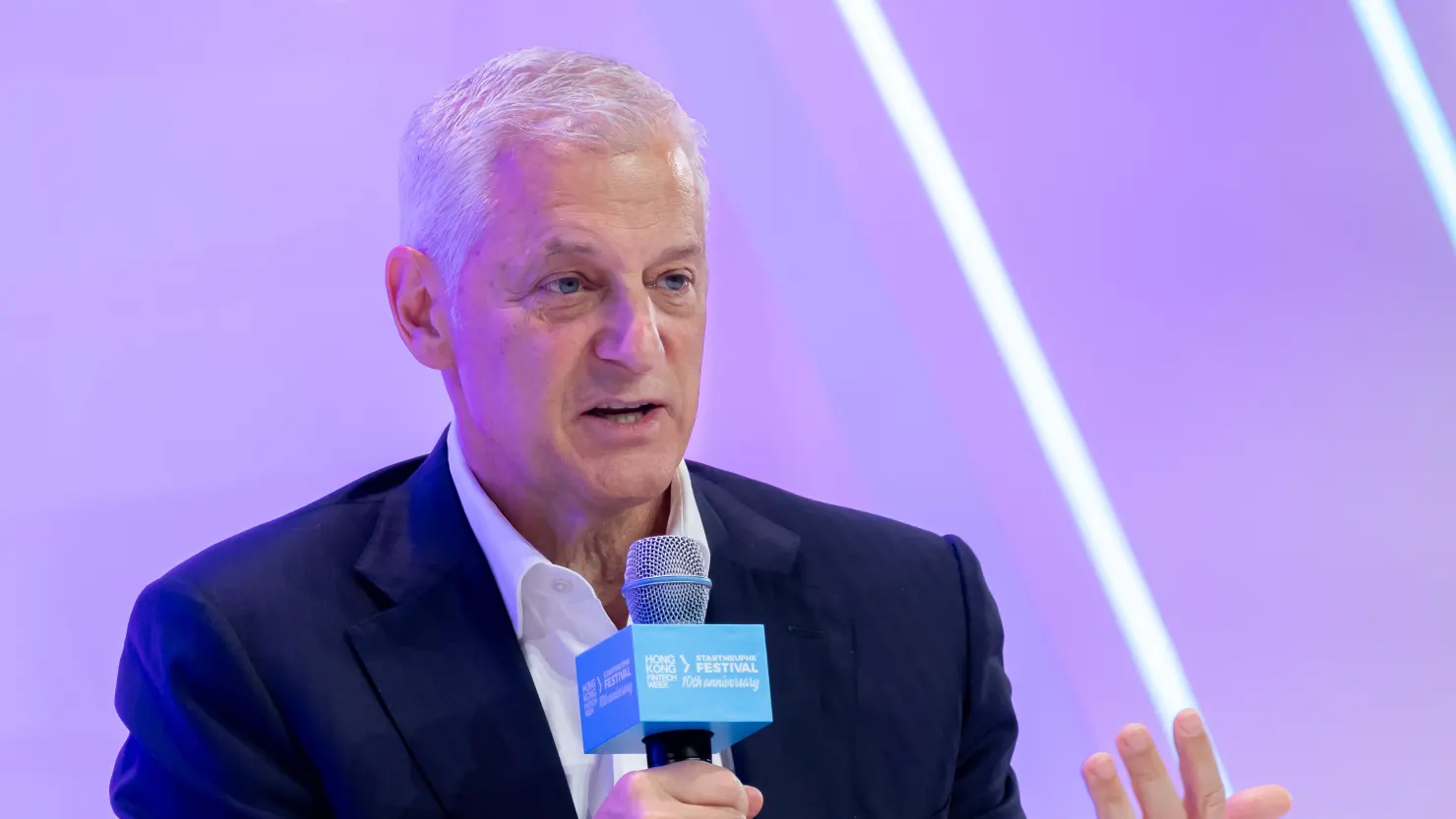
At the Hong Kong FinTech Week on Monday, Standard Chartered CEO Bill Winters shared a bold vision of the future of finance — one in which nearly every global transaction takes place on a blockchain-based digital ledger. As cryptocurrencies and digital assets continue to gain traction among traditional financial institutions, Winters’ comments underscore a growing consensus that the global financial system is on the brink of a profound transformation.
“Our belief, which I think is shared by the leadership of Hong Kong, is that pretty much all transactions will eventually settle on blockchains, and that all money will become digital,” Winters said during a panel discussion. “Think about what that means — a complete rewiring of the financial system.” He emphasized that while the shift will not happen overnight, active experimentation is necessary to shape the structure of this new digital landscape.
Standard Chartered, a UK-based multinational bank listed in both London and Hong Kong, has been steadily expanding its presence in the digital asset space over the past few years. The bank has launched initiatives in digital asset custody, trading platforms, and tokenized investment products, reflecting its belief in the long-term potential of blockchain technology.
During his remarks, Winters highlighted Hong Kong’s growing role as a leader in digital finance innovation. He praised the city’s government for taking a proactive stance in creating a regulatory framework that encourages experimentation while maintaining stability and trust in the market. Hong Kong’s Financial Secretary Paul Chan joined Winters in the discussion, reinforcing the city’s ambition to become a regional hub for digital assets.
As part of this strategy, Hong Kong has rolled out a digital asset licensing regime and several pilot programs focused on tokenization — projects in which Standard Chartered is directly involved. Tokenized assets refer to digital versions of real-world assets such as stocks, bonds, or commodities that can be recorded and traded on a blockchain or distributed ledger. Stablecoins, which are digital tokens pegged to traditional currencies, are one of the earliest and most prominent examples of tokenized assets used in global finance today.
Standard Chartered is also collaborating with blockchain venture capital firm Animoca Brands and telecommunications company HKT to launch a Hong Kong dollar-backed stablecoin. This project operates under Hong Kong’s new regulatory framework introduced in August and is designed to integrate blockchain technology into cross-border trade and digital settlements.
Winters expressed optimism about the potential of a Hong Kong dollar stablecoin to serve as a medium of exchange for international trade conducted on digital platforms. “A Hong Kong dollar stablecoin could open up new pathways for digital commerce, providing a trusted and efficient way to conduct transactions across borders,” he said.
His vision aligns with a broader wave of enthusiasm across the global fintech industry. In recent months, other major financial leaders have made similar predictions about the growing impact of tokenization and blockchain in transforming traditional markets.
Vlad Tenev, CEO of Robinhood Markets, described tokenization as a “freight train” that will reshape most major markets within the next five years. Meanwhile, Larry Fink, CEO of BlackRock — the world’s largest asset manager — stated earlier this year that virtually every asset class, from stocks to bonds to real estate, can eventually be tokenized. Fink described this shift as a “revolution” in investing, one that could dramatically increase accessibility, transparency, and efficiency in the financial world.
The convergence of these perspectives suggests a clear trend: major players in global finance are no longer viewing blockchain as a speculative technology but as an inevitable foundation for the next era of commerce.
For Standard Chartered and its peers, the question is no longer if the transition will occur, but how it will unfold — and how banks can position themselves to lead in an ecosystem where every dollar, bond, and trade could exist on a distributed ledger.
As Winters concluded at the Hong Kong FinTech Week, the shift toward blockchain-based transactions will require collaboration between regulators, financial institutions, and technology innovators. Yet for those ready to embrace the change, he suggested, the rewards could be transformative — not only for global finance but for the broader economy that depends on it.