Andrew Ross Sorkin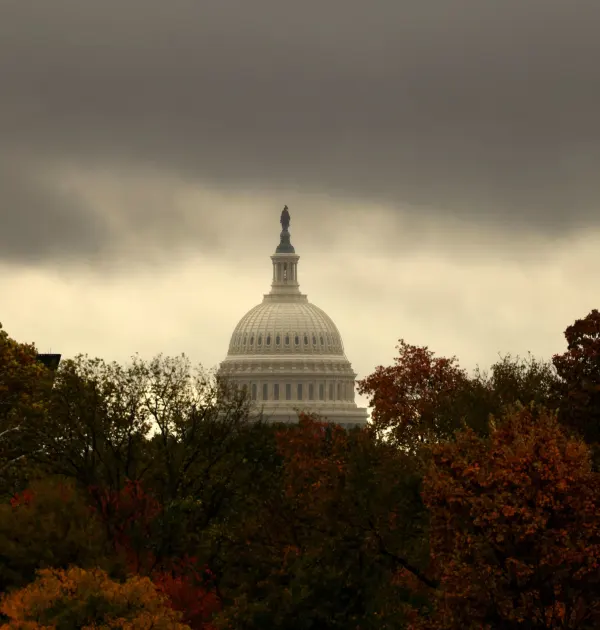
Affirm CEO Max Levchin said Friday that the company is not seeing signs of credit distress among federal workers affected by the ongoing U.S. government shutdown. However, he noted that there are early hints of shifting consumer behavior as some government employees become more cautious with discretionary spending.
Speaking with CNBC’s “Squawk on the Street,” Levchin shared that the changes so far are subtle. “We’re noticing a slight decline in shopping activity from that specific group, but it’s very minor,” he said. Despite the shutdown’s impact, he emphasized that Affirm’s credit trends remain stable and healthy.
The shutdown, which began on October 1, has resulted in approximately 670,000 federal employees being furloughed and another 730,000 working without pay, according to estimates from the Bipartisan Policy Center. As the longest shutdown in U.S. history, it has disrupted operations across multiple agencies and extended its effects beyond federal workers. Programs like SNAP, which supports millions of low-income households, have also been suspended, adding pressure on affected communities.
Levchin stated that Affirm continues to monitor employment conditions closely. “We’re paying attention to the data for anything that looks like a significant shift,” he said, adding that the company remains prepared to tighten credit standards if necessary. “At this point, everything looks stable. There are no major disruptions.”
His comments came shortly after Affirm reported fiscal first-quarter results that exceeded Wall Street’s expectations. The company posted earnings of 23 cents per share on revenue of $933 million, surpassing analysts’ forecasts of 11 cents per share on $883 million in revenue, according to LSEG data.
Affirm recorded a 34% increase in revenue year-over-year, while its gross merchandise volume rose 42% to $10.8 billion, beating the $10.38 billion target analysts anticipated. Building on this strong performance, the company raised its full-year outlook, now projecting GMV to reach $47.5 billion compared with its previous forecast of $46 billion.
The fintech lender, which went public in 2021, also shared updates on its major partnerships. Affirm extended its long-standing agreement with Amazon through 2031 and continues to collaborate with major platforms including Shopify and Apple. These alliances have strengthened Affirm’s role in the increasingly competitive buy now, pay later space.
However, not all recent partnership news has been favorable. Retail giant Walmart ended its relationship with Affirm, opting instead to work with Klarna, the Swedish BNPL provider that recently completed a delayed public market debut following tariff-related market volatility during President Donald Trump’s administration. Concerns about reduced consumer spending during that period had weighed heavily on fintech valuations and investor sentiment.
Despite the competitive pressures, Levchin remains optimistic about consumer demand and spending trends. He highlighted growth in categories like travel and event ticketing, and pointed to overall spending resilience. Active users increased to 24.1 million, up from 19.5 million the previous year.
“We’re continuing to champion buy now, pay later as a smarter, transparent alternative to traditional credit,” Levchin said. “Consumers are clearly resonating with that message.”
Investor confidence mirrored that sentiment, with Affirm shares jumping 11.6% on Friday following the earnings release and comments from the CEO.
Overall, while the political and economic uncertainty surrounding the federal shutdown has prompted small shifts in consumer behavior, Affirm’s financial strength, expanding customer base, and long-term partnerships suggest continued momentum in the evolving digital finance landscape.