Andrew Ross Sorkin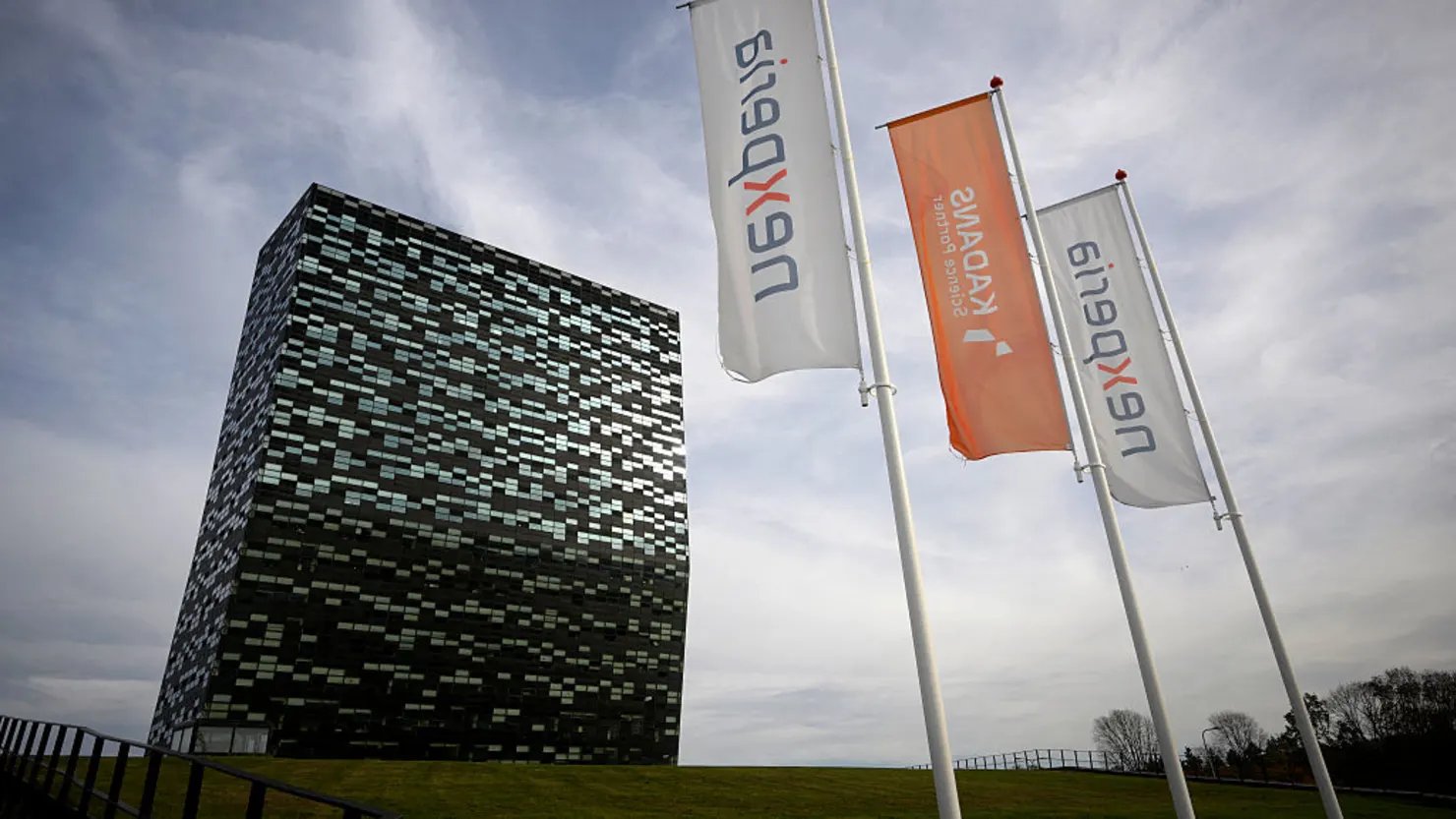
Wingtech Technology shares continued their upward climb on Monday after Beijing agreed to further negotiations with Dutch officials, easing market fears of a potential global automotive chip shortage. The move signals a tentative thaw in an escalating dispute over control and export restrictions affecting Dutch semiconductor firm Nexperia, a subsidiary of China-based Wingtech Technology.
Market data from LSEG showed that Wingtech’s Shanghai-listed stock rose as much as 6.4% on Monday. This followed a nearly 10% surge during the final moments of Friday’s trading session, triggered by growing optimism that tensions surrounding Nexperia may be easing.
In a statement released on Sunday, China’s Ministry of Commerce confirmed it had taken steps to enable certain semiconductor exports from Nexperia’s facilities in China, while simultaneously calling on the European Union to press the Dutch government to roll back restrictions placed on the company. The ministry emphasized that maintaining stable supply chains and open trade channels is essential amid continued pressure on the global semiconductor market.
One day earlier, Beijing announced that it had approved a request by the Netherlands to send representatives to China for continued discussions. Chinese officials expressed hope that Dutch authorities would offer constructive proposals and take meaningful steps to address the standoff over Nexperia’s operations and export controls.
These diplomatic exchanges came shortly after comments from Dutch Economic Affairs Minister Vincent Karremans. Last Thursday, Karremans indicated that Nexperia chips would soon resume shipping to customers in Europe and abroad, noting that talks with Chinese officials had been productive. He added that both Washington and Beijing had informed the Netherlands that a recent trade arrangement would pave the way for shipments from Nexperia’s China-based facilities to restart. According to Karremans, the updates aligned with information provided by both the European Commission and China’s Ministry of Commerce.
The conflict escalated in late September when the Dutch government seized control of Nexperia, citing national security concerns and fears that Wingtech could transfer sensitive operations and intellectual property to China. Beijing responded by blocking exports of semiconductor components manufactured by Nexperia in China, raising alarms across industries that rely heavily on the company’s technology.
The stakes of the dispute are significant. Nexperia supplies widely used semiconductors essential for automotive, consumer electronics, mobile devices, and industrial applications. As soon as the export halt was announced, global automakers began warning of disruptions. Companies like Volkswagen expressed concerns over production risks, while Honda cut its annual profit outlook following temporary shutdowns at multiple factories. Stellantis and other major car manufacturers reportedly set up dedicated monitoring teams and emergency procurement units to secure alternative chip suppliers and prevent supply chain breakdowns.
Analysts have linked the escalating trade friction not only to Europe-China tensions but also to wider geopolitical currents involving the United States. Neo Wang, a China strategist at Evercore ISI, noted that the timing coincided with Washington’s move to expand its entity list, a trade blacklist targeting companies deemed to pose national security or foreign policy threats. Under these expanded restrictions, subsidiaries majority-owned by already-listed entities were also targeted. Wingtech had been added to the U.S. entity list last December, and Nexperia, which falls under the Wingtech umbrella, became subject to restrictions as well.
However, the tone shifted after Beijing and Washington negotiated a limited trade understanding on October 30, prompting both governments to ease certain restrictions. Shortly afterward, China signaled that Nexperia’s China division could resume chip shipments to global customers, hinting at a broader market recalibration.
Despite these developments, the situation remains delicate. The Netherlands holds significant leverage due to its oversight of ASML Holding, the world’s leading supplier of advanced lithography equipment used in semiconductor manufacturing. ASML’s cutting-edge technology has been at the center of U.S.–China strategic competition, with Washington urging the Dutch government to curb sales of high-end semiconductor tools to China. Analysts believe that Beijing’s willingness to resume talks with the Netherlands reflects an effort to avoid jeopardizing its long-term access to essential semiconductor production equipment.
A research note issued Saturday by Barclays analysts tracking the automotive sector reported that some suppliers have already received shipments of Nexperia chips from China. Still, the analysts cautioned that inventory levels remain thin and supply disruptions could continue in the near term. They described the current situation as a temporary reprieve rather than a definitive resolution, emphasizing that core issues surrounding Nexperia’s ownership and operational autonomy remain unresolved.
Industry observers are watching closely as diplomatic negotiations continue. While recent steps have boosted investor confidence and offered the auto industry reassurance, companies and governments alike acknowledge that semiconductor supply chains remain vulnerable to geopolitical risks. With the dispute touching multiple global power centers and involving critical technology infrastructure, further volatility cannot be ruled out.
For now, markets have breathed a sigh of relief, but executives across automotive and tech manufacturing continue to operate on high alert. The outcome of the forthcoming Beijing talks with Dutch officials will likely determine whether this fragile stabilization can turn into a durable solution or whether renewed tensions will reignite concerns over global chip access and industrial production stability.