Andrew Ross Sorkin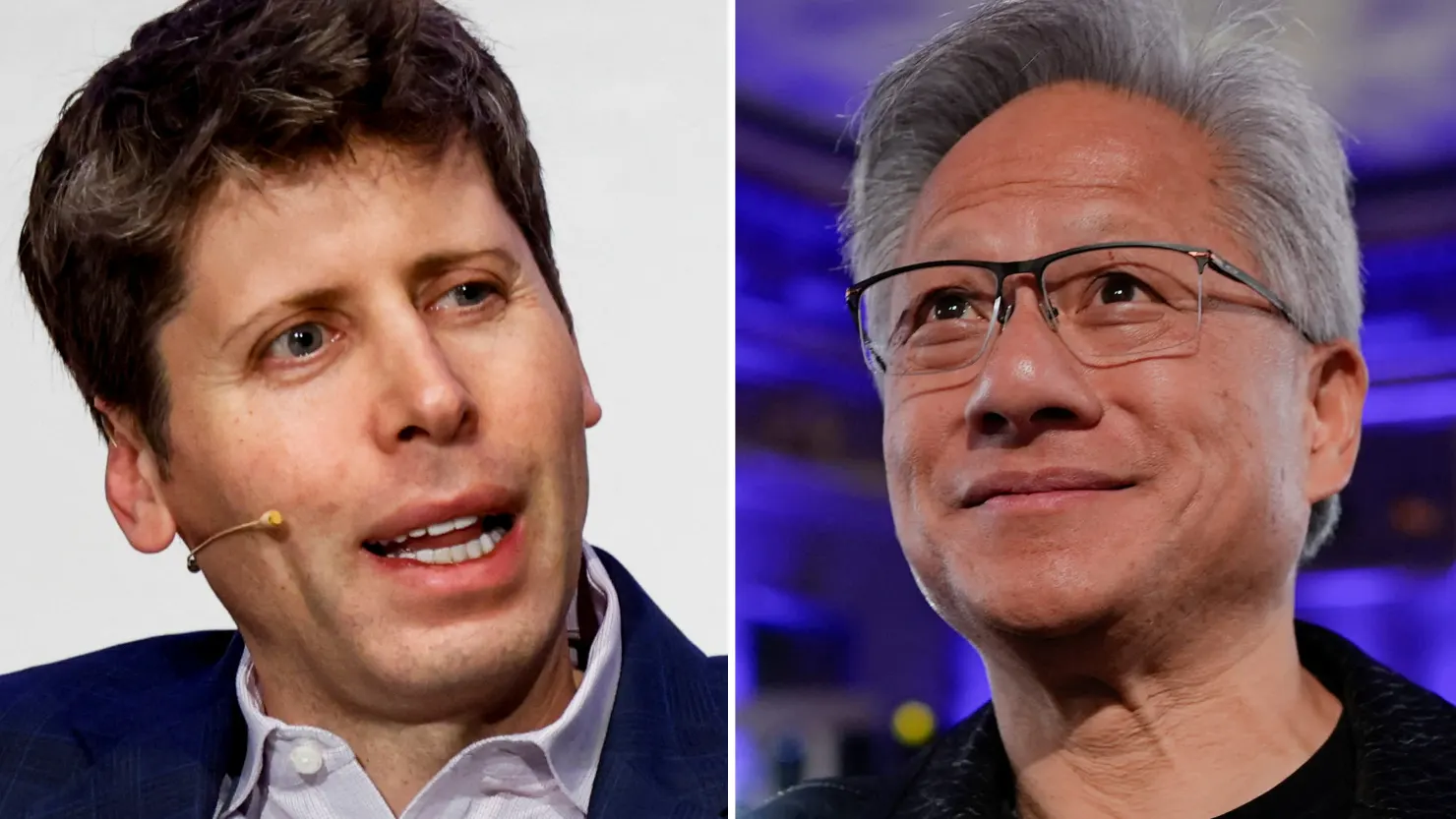
Two months ago, Nvidia CEO Jensen Huang and OpenAI CEO Sam Altman stood together in San Jose to unveil what appeared to be a landmark collaboration in artificial intelligence. Nvidia would invest a staggering $100 billion over several years beginning in 2026, aligning with the rollout of OpenAI’s next-generation supercomputing infrastructure. Neither executive, however, offered details about the timeline or the cost of each data center.
This week, Nvidia’s latest quarterly filing reminded investors that a public announcement does not equate to a binding contract. In the risk disclosure section, the company cautioned that there is no guarantee it will finalize agreements related to the proposed OpenAI investment or complete any such investment under the terms previously discussed.
The reminder arrives during a period of aggressive spending from Nvidia, which has been deploying its growing cash reserves to support companies that rely on its GPUs. Alongside the potential OpenAI partnership, Nvidia also emphasized its $5 billion investment commitment to Intel and its plan to invest up to $10 billion in Anthropic, another major player in the AI sector.
OpenAI declined to comment directly but referenced Huang’s remarks describing the organization as a “once-in-a-generation company” and expressing confidence that Nvidia’s support would lead to “extraordinary returns.” Still, Nvidia repeated in its filing that no investment is assured until finalized.
What differentiates the OpenAI plan from Nvidia’s other recent commitments is the sheer magnitude of the funding and the performance milestones tied to the full investment sum. Sources previously told CNBC that an initial $10 billion would be released relatively soon to help OpenAI launch its first gigawatt-scale data center.
OpenAI’s financial growth has been rapid. Altman said recently that the company expects to close the year with an annualized revenue run rate of $20 billion—a remarkable figure given that ChatGPT, its flagship product, is only three years old. He added that revenue could climb into the hundreds of billions by 2030. Despite this momentum, projected income remains far below the immense infrastructure costs the company is taking on.
OpenAI has already outlined roughly $1.4 trillion in planned infrastructure spending across multiple partners as it scales up its AI models and services. To meet these ambitions, the organization remains heavily dependent on external capital.
Even so, Nvidia executives continue to publicly express optimism regarding their relationship with OpenAI. During Nvidia’s earnings call—where the company reported strong revenue results and issued upbeat guidance—CFO Colette Kress highlighted OpenAI’s accelerating growth, noting that its weekly active user base has reached 800 million and its enterprise customer count has crossed 1 million. She said the two firms are “working on a strategic partnership” and that Nvidia aims to help OpenAI build and deploy at least 10 gigawatts of AI data center capacity.
Huang added that “everything OpenAI runs today is powered by Nvidia.”
Meanwhile, OpenAI issued no additional comments beyond pointing once again to Huang’s complimentary statements.
Although OpenAI will inevitably continue purchasing Nvidia chips as it expands its data centers, it is also diversifying its hardware sources. In a major move announced last month, OpenAI agreed to deploy 6 gigawatts of AMD’s Instinct GPUs over multiple years, spanning several hardware generations starting in late 2025.
The AMD deal includes a crucial element absent from Nvidia’s announcement: signed documents. According to the agreement, AMD granted OpenAI a warrant for up to 160 million shares of AMD stock, with vesting tied to deployment targets and share price milestones. The contract was formally signed on October 5 by AMD CFO Jean Hu and OpenAI CFO Sarah Friar.
As Nvidia and OpenAI continue negotiating a historic partnership, the industry will be watching closely. What’s clear is that the race to build the world’s most advanced AI infrastructure is accelerating—and every signed agreement matters.