Andrew Ross Sorkin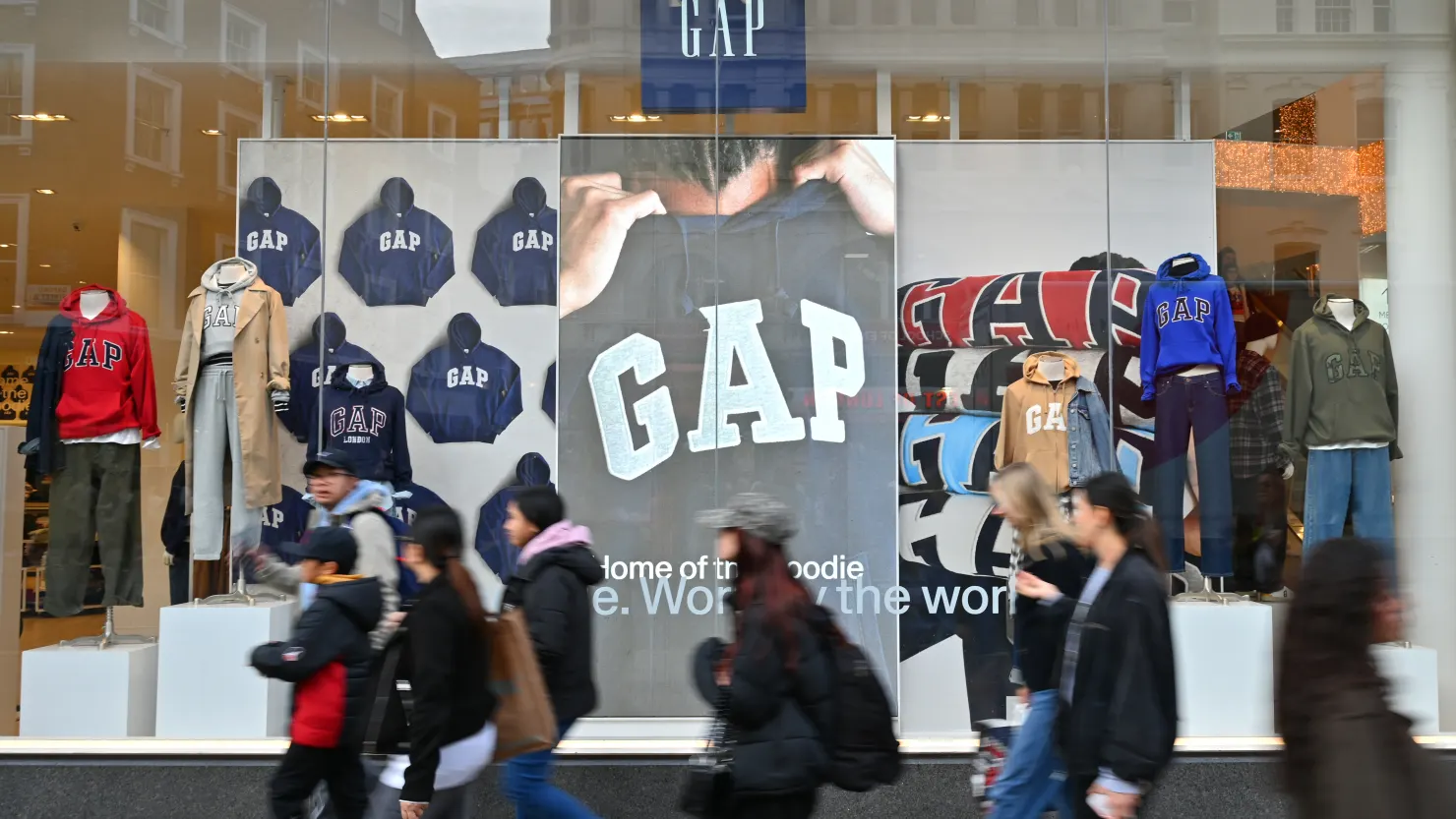
Apparel retailer Gap reported a solid performance for its fiscal third quarter, with comparable sales rising 5%—a result largely fueled by the success of its viral “Better in Denim” campaign featuring the girl group Katseye. Excluding the unusual fluctuations seen during the pandemic era, this marks Gap’s strongest comparable sales growth since the 2017 holiday season, surpassing Wall Street’s projected 3.1% increase.
In an interview with CNBC, CEO Richard Dickson said the company has been able to reduce its reliance on discounts, attract customers across income levels, and enter the holiday season from a position of strength. According to him, despite broader economic pressure and concerns about lower-income shoppers, Gap’s products and prices are aligning well with consumer demand.
He emphasized that customers view Gap as offering solid value and compelling styles, adding that early holiday shopping trends have been “encouraging.” Following the announcement, Gap’s share price climbed 5% in after-hours trading.
Analysts surveyed by LSEG expected more modest results, but the company delivered stronger-than-anticipated numbers. Gap reported earnings of 62 cents per share, above the 59 cents analysts projected, and revenue of $3.94 billion, slightly outpacing the $3.91 billion consensus estimate.
Although revenue grew 3% from the previous year’s $3.83 billion, net income fell nearly 14% to $236 million, compared with $274 million the year prior. The earnings decrease was tied in part to tariff-related expenses, which also contributed to a slight decline in gross margin. Gap’s gross margin slipped 0.3 percentage points to 42.4%, though it still performed better than expectations.
Looking ahead to the fiscal year ending in early February, the company now anticipates sales will land at the upper end of its previous guidance. Gap expects annual revenue to increase between 1.7% and 2%, aligning closely with analysts’ forecasts. Operating margin is now projected to reach around 7.2%, up from the earlier range of 6.7% to 7%. This figure takes into account an expected tariff impact of roughly one percentage point.
Comparable sales have been positive for seven consecutive quarters across Gap’s portfolio, which includes Gap, Old Navy, Banana Republic, and Athleta. Dickson has emphasized a dual strategy of refining operations and ensuring the brands remain culturally relevant—an approach that has helped broaden the company’s appeal.
Even amid a challenging environment for apparel retailers, Gap’s performance stands out. Industrywide, sales have been relatively weak as shoppers prioritize essential purchases over discretionary spending. Many apparel companies have reported muted earnings and warned of tempered holiday expectations. Dickson argues that Gap’s diverse brand mix gives it an advantage during uncertain times, allowing it to reach consumers across a range of price points and lifestyles.
Below is a closer breakdown of how each brand performed:
Gap
The flagship brand continues to play a key role in Dickson’s turnaround plan. Comparable sales surged 7%, more than double analysts’ expectations, while revenue grew 6% to $951 million. The brand’s “Milkshake” marketing campaign featuring Katseye and the early-2000s hit song helped lift visibility, but Dickson attributed the momentum to consistent improvements in product design, partnerships, and promotional strategy.
Old Navy
Old Navy, the company’s largest business by revenue, also posted impressive results. Sales rose 5% to $2.3 billion, and comparable sales increased 6%, beating the projected 3.8% growth. Key categories such as denim, activewear, children’s clothing, and baby apparel all performed strongly.
Banana Republic
Banana Republic is still undergoing a transformation, but the brand delivered a modest uptick in sales. Revenue inched up 1% to $464 million, while comparable sales rose 4%, surpassing expectations. This marks the second consecutive quarter of positive comparable sales, driven by improved marketing and merchandising efforts.
Athleta
Athleta was the outlier in an otherwise strong quarter. Revenue and comparable sales both fell 11% to $257 million. Dickson has described 2024 as a “reset year” for the brand, acknowledging that the business continues to face significant challenges. Despite the downturn, he expressed confidence in Athleta’s long-term potential and leadership team.
Overall, Gap enters the holiday season with notable momentum and strengthened performance across most of its portfolio. While tariff-related pressures have presented financial headwinds, the company’s strategies in product, branding, and customer engagement appear to be fueling renewed consumer interest and contributing to its sustained turnaround.