Andrew Ross Sorkin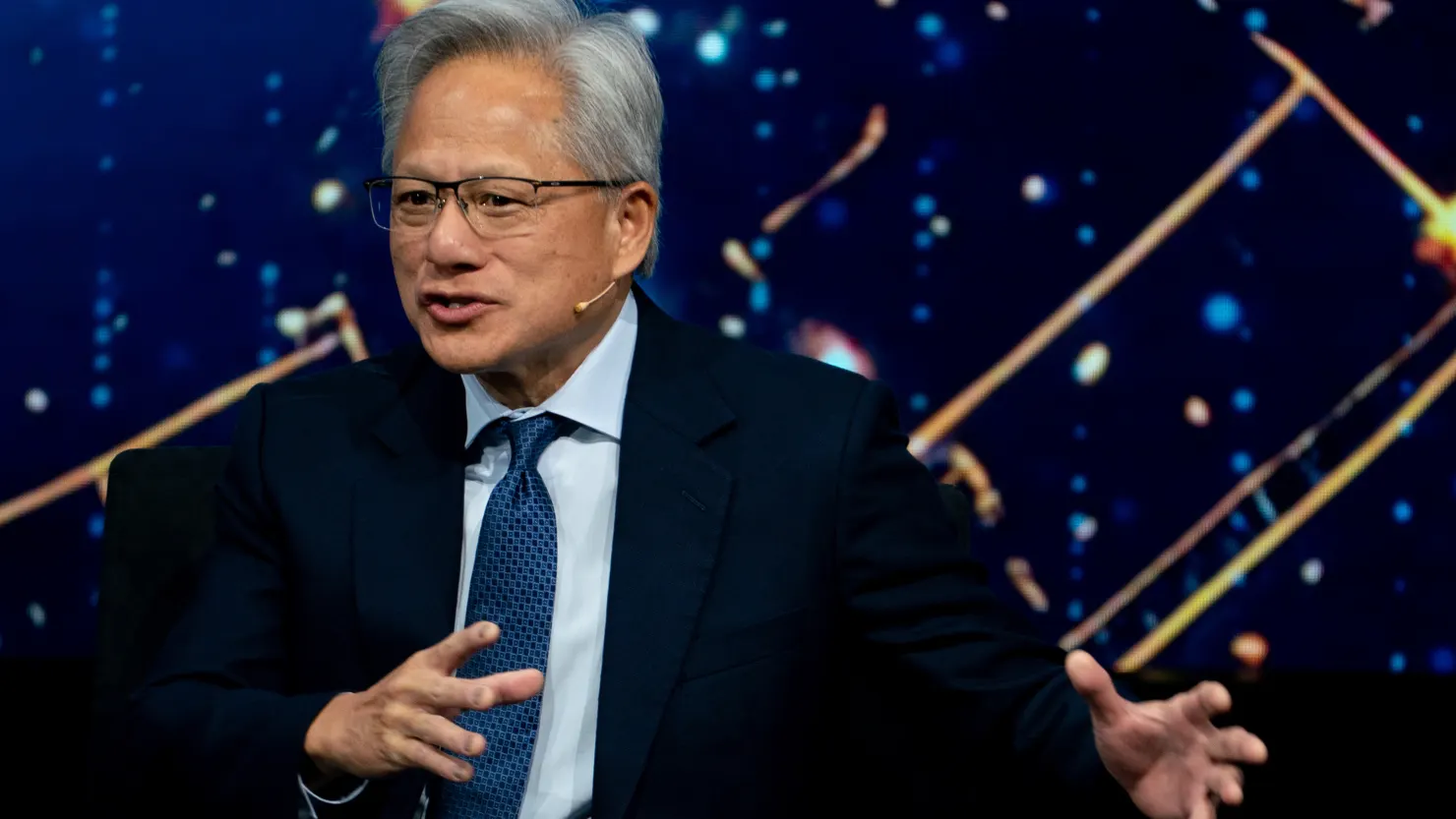
In the weeks leading up to Nvidia’s third-quarter earnings announcement, debate intensified across financial circles about whether the market was drifting into an AI-driven investment bubble. Concerns centered on the enormous capital flowing into data center construction and whether such spending would generate sustainable long-term returns.
During Wednesday’s earnings call, Nvidia CEO Jensen Huang addressed the issue directly. He opened his remarks by dismissing the idea that artificial intelligence has inflated into a speculative frenzy. From his perspective, the current momentum reflects structural transformation, not irrational exuberance.
Huang’s position is hardly surprising. Nvidia stands at the center of the global AI wave, and under his leadership the company’s valuation has climbed to $4.5 trillion, powered by unprecedented demand for its graphics processing units. Yet his comments carry weight because Nvidia’s customer list includes every major cloud provider — Amazon, Microsoft, Google, and Oracle — as well as leading AI developers such as OpenAI, Anthropic, xAI, and Meta. Few executives have comparable visibility into the emerging AI infrastructure economy.
On the call, Huang laid out three key reasons he believes the market is not in bubble territory.
His first point focused on the rapid shift toward GPU-accelerated computing in sectors like data processing, targeted advertising, search engines, and engineering tools. According to Huang, these industries increasingly rely on AI to remain competitive, forcing a transition away from traditional CPU-based infrastructure toward more advanced GPU-driven systems.
Second, Huang emphasized that AI is not merely enhancing existing digital services. He argued that the technology will enable an entirely new generation of applications, expanding beyond what companies can currently imagine.
His third point centered on the rise of “agentic AI,” or applications capable of performing complex reasoning and planning with minimal human direction. These systems will require vast amounts of computing power, reinforcing the need for long-term infrastructure investment.
Huang said Nvidia is uniquely positioned to serve all three categories of use cases. He urged investors and customers to consider these dynamics when evaluating large-scale infrastructure spending, predicting that each trend will significantly influence the industry’s growth trajectory in the coming years.
Nvidia’s latest earnings report reinforced his message. The company posted revenue and profit figures that exceeded analyst expectations and issued guidance that pointed to continued momentum. Huang recently projected that Nvidia could generate $500 billion in AI chip sales across 2025 and 2026, and the company said its order backlog does not yet include several major recent agreements, including a new partnership with Anthropic and an expanded collaboration with Saudi Arabia. CFO Colette Kress noted that the backlog will continue to grow and stated the company remains firmly on track to meet its forward-looking targets.
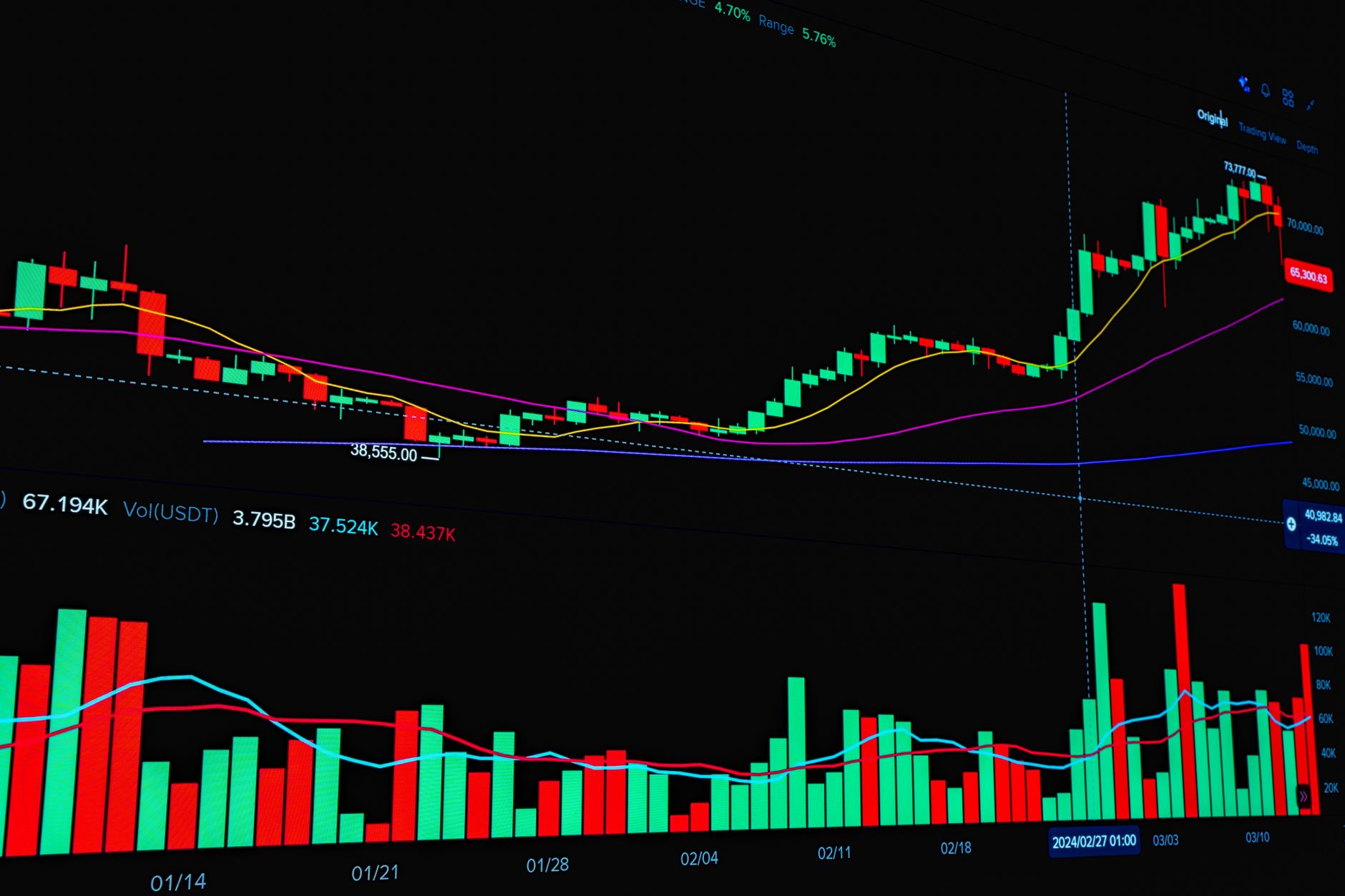
Despite these strong fundamentals, Nvidia’s stock had fallen about 8 percent earlier in the month, mirroring declines among other AI-linked companies. CoreWeave plunged 44 percent in November, Oracle dropped 14 percent, and Palantir fell 17 percent. Analysts attribute much of this turbulence to concerns about debt-financed spending across the AI ecosystem, as companies take on significant financial obligations to accelerate their infrastructure buildouts.
Huang, however, downplayed worries about customer leverage, indicating that financing strategies fall entirely under each company’s own decision-making.
Investors have also voiced concerns about the concentration of Nvidia’s sales among a handful of hyperscalers. But the tech giants themselves have signaled continued commitment to AI expansion. Last month, Amazon, Microsoft, Meta, and Alphabet all raised their capital expenditure forecasts, and together they now expect to invest more than $380 billion this year alone.
Huang explained that regardless of business model changes, Nvidia’s chips directly support revenue growth for hyperscalers by powering recommendation engines for short videos, e-commerce, and digital advertising — some of their most profitable operations.
He added that the broader market will soon begin to recognize the deeper structural forces behind the AI surge, moving away from what he described as “the simplistic view” that focuses solely on rising capital expenditures. According to Huang, the current cycle reflects a fundamental shift in computing, not a fleeting investment phenomenon.