Andrew Ross Sorkin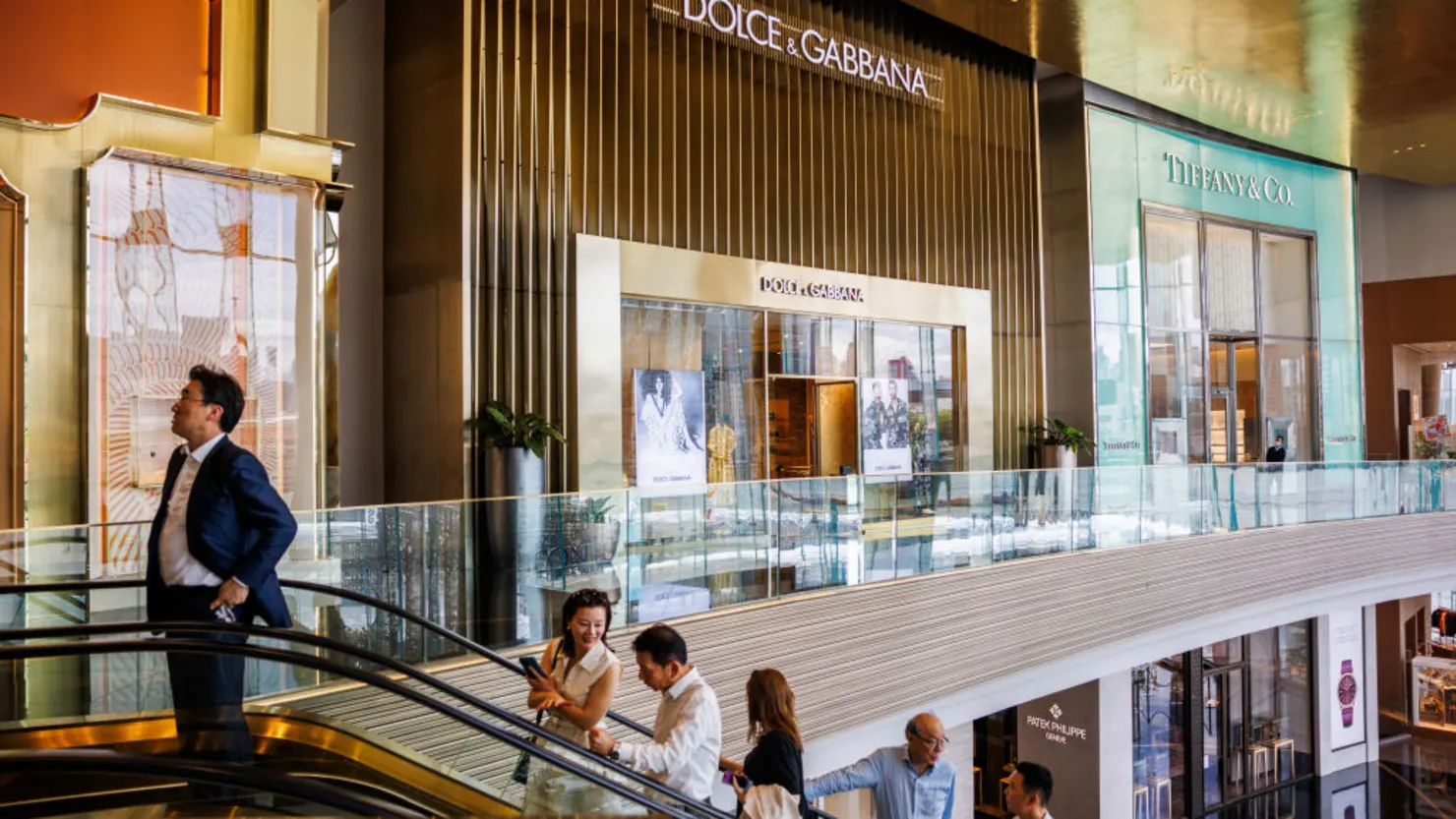
The global personal luxury goods sector is heading into one of its most challenging years since the Global Financial Crisis, with new data indicating the first significant deceleration in demand in a decade and a half. Bain & Company’s latest annual luxury industry report shows that uncertainty in the global economy, rising costs, and a sharp cooling of consumer enthusiasm—especially in China—are reshaping the landscape for high-end brands.
The slowdown marks a notable shift for an industry that has spent years outperforming the broader retail market. Personal luxury goods, which include items such as apparel, handbags, jewelry, watches, and cosmetics, have enjoyed nearly continuous growth since 2009, aside from temporary disruptions during the Covid-19 lockdowns. Yet 2024 has broken that pattern.
A Year of Declining Momentum
According to the report, 2024 is expected to end with a roughly 2 percent decline in the personal luxury goods segment. While modest at first glance, the contraction represents an important inflection point: many long-standing luxury buyers are pulling back, and new consumers are not entering the market at the same pace as before.
Bain attributes the downturn to two major factors. The first is macroeconomic stress—persistent inflation, uneven wage growth, and geopolitical volatility have caused consumers in many countries to reconsider discretionary purchases. The second, and more consequential, is a shift in shopper behavior. Customer loyalty has eroded as younger buyers become more selective and less attached to traditional luxury labels. At the same time, rising production and operational expenses have squeezed company margins, resulting in disappointing financial results across the sector.
Despite the drag on personal luxury goods, total global luxury spending—including categories such as high-end automobiles, fine wine, travel experiences, and hospitality—is projected to remain close to last year’s levels, hovering around 1.5 trillion euros. Although the aggregate figure suggests stability, the composition of luxury spending is undergoing rapid transformation.
China’s Economic Chill Becomes the Industry’s Biggest Obstacle
As the world’s second-largest economy and a crucial growth engine for luxury sales, China’s slowdown has sent shockwaves through the industry. Many brands entered 2024 expecting a strong post-pandemic rebound, but that recovery has not materialized. Instead, sluggish consumer confidence, weaker household spending, and ongoing structural challenges in China’s domestic economy have hurt demand.
This trend has been reflected in multiple earnings reports. LVMH, Burberry, and Kering—three of the sector’s most influential players—have repeatedly reported softer-than-expected revenues through the year. Even Richemont, parent company of Cartier and typically more resilient due to its strong jewelry segment, reported a 1 percent decline in sales in the first half of its fiscal year, citing reduced purchases from Chinese consumers.
Bain’s analysts describe the situation in mainland China as a “sharp slowdown,” noting that the slump has deepened throughout 2024. A prolonged downturn in the region would be a significant risk for 2025, though the firm sees this as a lower-probability scenario. Instead, Bain forecasts a gradual improvement beginning in the second half of next year, assuming broader macroeconomic conditions stabilize.
Signs of Recovery in Europe, the U.S., and Japan
While China has remained a point of concern, other regions have shown incremental progress. Sales in both Europe and the United States have improved slightly from quarter to quarter, although not enough to offset the global slowdown. Japan stands out as a bright spot: favorable currency exchange dynamics have attracted international tourists and boosted local spending.
Bain expects the global luxury market to return to mild growth in 2025, provided no major economic disruptions arise. However, the recovery is not expected to be uniform across all categories or consumer groups. Brands will need to adapt quickly to shifting preferences and increasingly polarized spending patterns.
Growth Concentrated in Luxury Experiences and Smaller Indulgences
Amid the industry’s challenges, certain luxury segments are still expanding. High-end automobiles and hospitality have remained resilient, propelled by affluent consumers who continue to prioritize comfort, design, and personalized service. Fine wines, rare spirits, and gourmet dining have also seen gains as consumers increasingly channel their spending into experiences instead of physical goods.
Luxury travel is one of the strongest performers of the year. After the pandemic reshaped global lifestyles, many consumers now prefer experiences that provide emotional enrichment, social connection, or wellness benefits. This shift has supported growth in luxury resorts, premium airlines, and curated travel packages.
Even within personal luxury goods, there are pockets of strength. Categories such as beauty, fragrance, and eyewear have grown as consumers embrace the idea of “small indulgences.” These items offer the prestige of a luxury purchase without requiring the financial commitment of big-ticket goods like jewelry or designer bags. This trend reflects a broader cultural shift toward mindful spending and value-driven decision-making.
The Challenge of Winning Over Younger Consumers
One of the most pressing issues highlighted in the report is the loss of around 50 million luxury consumers over the past two years. Some have reduced spending due to economic pressures, while others—especially younger shoppers—have become disengaged, seeking brands that offer more authenticity, creativity, and social relevance.
This shift has placed significant pressure on luxury houses to refine their strategies. Claudia D’Arpizio, the Bain partner who led the study, emphasizes that the industry can no longer rely solely on traditional heritage branding and exclusivity. Instead, companies must rethink their value propositions to appeal to a new generation of buyers whose expectations are shaped by digital culture, sustainability concerns, and personalized experiences.
To re-engage these consumers, brands will need to innovate not only in product design but also in storytelling, community-building, and cultural communication. D’Arpizio notes that luxury labels should broaden the topics they engage with—from art and technology to social issues—to foster deeper connections with Millennials and Gen Z.
At the same time, brands must continue to prioritize their most loyal customers. Offering personalized services, unique experiences, and human-centered interactions will be critical for maintaining high-value relationships. As the report suggests, blending creativity with meaningful customer engagement will be essential for long-term success.
A Market in Search of Its Next Growth Engine
With 2024 marking a turning point for the personal luxury goods market, the industry faces a pivotal moment. A more cautious consumer, shifting regional dynamics, and changing cultural expectations are challenging luxury brands to reinvent themselves. While the sector remains fundamentally strong, its growth trajectory is no longer guaranteed.
Looking ahead, the industry’s resilience will depend on how well brands adapt to these evolving conditions. Whether through deeper engagement with younger generations, renewed focus on craftsmanship and innovation, or expansion into experiential luxury, the companies that respond swiftly and thoughtfully will be best positioned to navigate the uncertain road ahead.