Andrew Ross Sorkin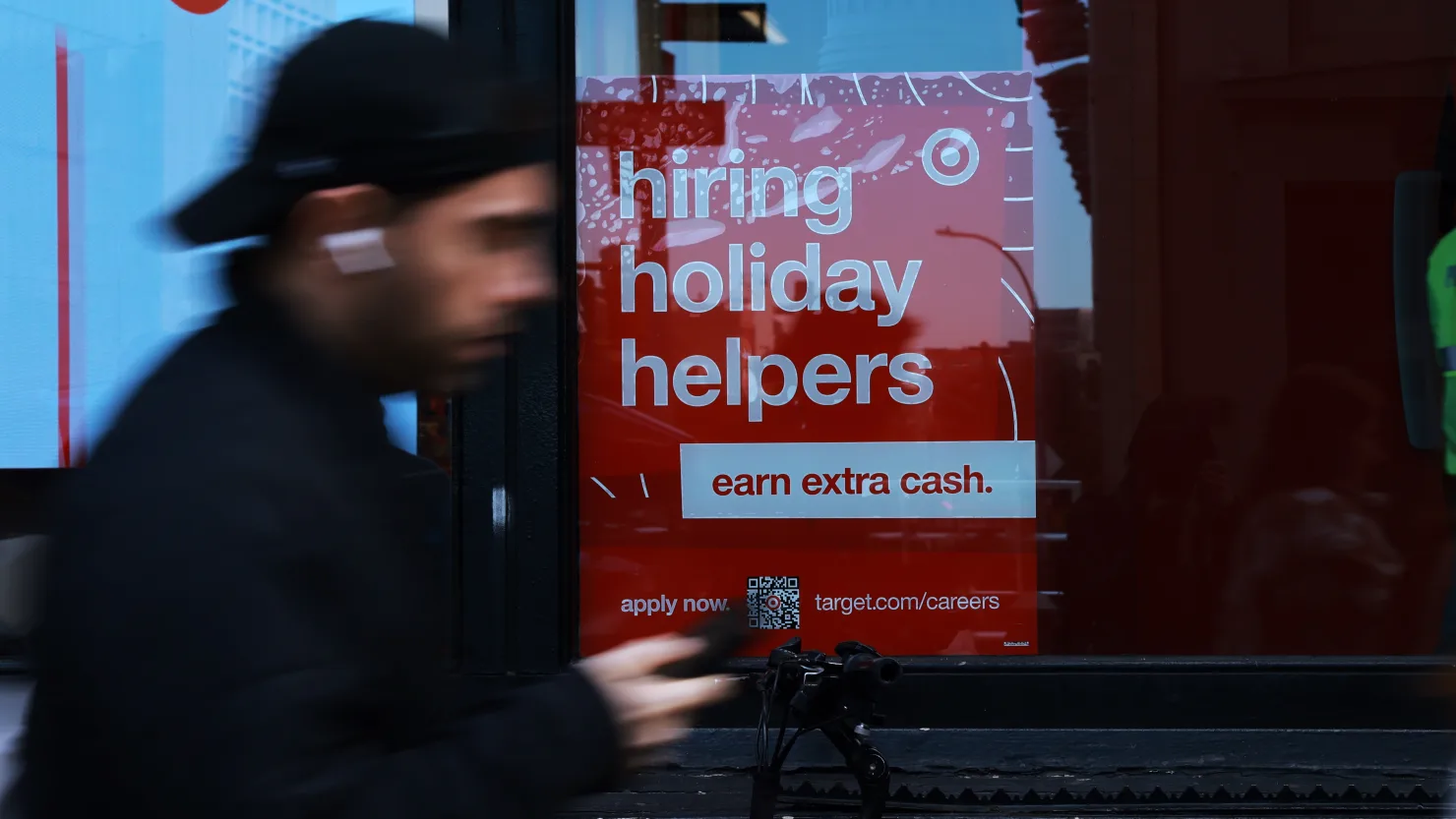
U.S. consumer confidence took a noticeable downturn in November, reflecting growing unease about both current economic conditions and future financial prospects. A new survey released by the Conference Board indicates that Americans are becoming increasingly somber about their ability to find stable employment and maintain income growth amid a climate marked by uncertainty, lingering inflation pressures, and a cautious labor market.
The organization’s Consumer Confidence Index fell sharply to 88.7 in November, marking a drop of nearly seven points and reaching its lowest level since April. The decline was steeper than economists had anticipated, as many analysts expected the index to remain above 93. The weaker-than-expected number underscores a shift in households’ perceptions, signaling that concerns about jobs, prices, and political tensions are weighing more heavily on the national mood.
The survey’s breakdown reveals that both short-term expectations and views on the present economic environment have deteriorated. The expectations index, which tracks consumer sentiment about business conditions and income prospects over the next six months, slid to 63.2 after an 8.6-point decline. Meanwhile, the present situation index, which reflects current perceptions of business and labor market conditions, declined to 126.9.
According to Dana Peterson, chief economist at the Conference Board, Americans are increasingly doubtful about what the economy will look like in the coming months. Peterson noted that expectations for labor market conditions through mid-2026 have shifted deeper into negative territory, with many respondents expressing reduced confidence in future income growth after several months of optimism earlier in the year.
One of the most telling indicators in the report relates to how consumers view the job market. The share of respondents who said jobs are “plentiful” dropped significantly to 6%, a substantial downturn that reflects the cooling pace of hiring seen in recent labor statistics. This shift aligns with what some economists are calling a “no hire, no fire” environment—companies are refraining from major layoffs but are increasingly cautious about adding new positions. At the same time, the proportion of people who feel jobs are “hard to get” eased slightly to 17.9%, though the overall sentiment still suggests growing uncertainty.
The survey’s release coincided with data from ADP, a payroll processing firm, which reported that private sector employers shed an average of 13,500 jobs over the past month. This figure contributes to a pattern suggesting a gradual weakening in the labor market, a trend that has been mirrored in other national indicators. The University of Michigan’s widely followed consumer sentiment index also reported a dip in November, falling nearly 5% month-over-month and registering a striking 29% drop from the same time last year.
Together, these reports paint a picture of consumers who are becoming more cautious about spending and planning for the near future. Economists warn that declining consumer confidence can eventually translate into slower economic activity, particularly in an economy where household consumption drives a significant portion of overall growth.
The rise in pessimism has also emerged as the Federal Reserve signals that additional interest rate cuts may be necessary to support economic conditions. Several Federal Reserve officials have recently emphasized the need to ensure that financial pressures do not intensify in the face of weakening sentiment. Market expectations now show a high likelihood that the Fed will implement another quarter-point rate cut in December. Investors appear to view further easing as a way to stabilize borrowing costs and bolster both business investment and consumer spending heading into the new year.
Peterson noted that the latest consumer confidence results show declines across nearly all income brackets and political affiliations, underscoring that economic anxiety is increasingly widespread. Many respondents pointed to familiar economic stressors—particularly inflation, rising prices for goods and services, and ongoing uncertainty surrounding international trade policies. The recent federal government shutdown was also increasingly cited as a source of concern, reflecting the broader unease that political tensions may continue to influence the economic environment.
Inflation remains a central factor shaping consumer expectations. Respondents in the survey projected that inflation would rise to 4.8% over the coming year, a rate far above the Federal Reserve’s long-term target of 2%. These expectations also exceed those recorded by the University of Michigan’s survey, which placed inflation expectations at 4.5%. Elevated inflation expectations can influence household decisions, as consumers may delay major purchases or become more cautious about discretionary spending if they anticipate higher prices ahead.
Despite the overall pessimism, the survey did reveal one area of optimism: expectations for stock market performance. Respondents expressed a strong belief that equity markets will perform positively over the next year. This confidence may be tied to recent stock market resilience and the belief that interest rate cuts could provide additional support for financial markets.
However, interpreting economic trends has become more difficult due to the disruption caused by the recently concluded federal government shutdown. Multiple government agencies temporarily halted the collection and release of key economic data during the impasse, resulting in gaps in official reporting. While agencies have begun releasing delayed information, much of it reflects conditions from earlier in the fall, making it harder for analysts to assemble a complete and timely picture of economic performance.
All of these factors contribute to a landscape in which consumers feel increasingly uncertain about their economic prospects. While the job market remains relatively stable compared with past downturns, signs of cooling demand for labor are beginning to influence consumer psychology. Coupled with inflation concerns, political tension, and uneven access to clear economic data, the environment has created a sense of unpredictability that is weighing on household sentiment.
Looking forward, economists will be closely watching whether consumer confidence stabilizes as more complete data becomes available and the Federal Reserve’s decisions take effect. The next few months will be critical in determining whether this downturn in sentiment represents a temporary reaction to ongoing disruptions or a deeper shift in how Americans view the trajectory of the economy.