Andrew Ross Sorkin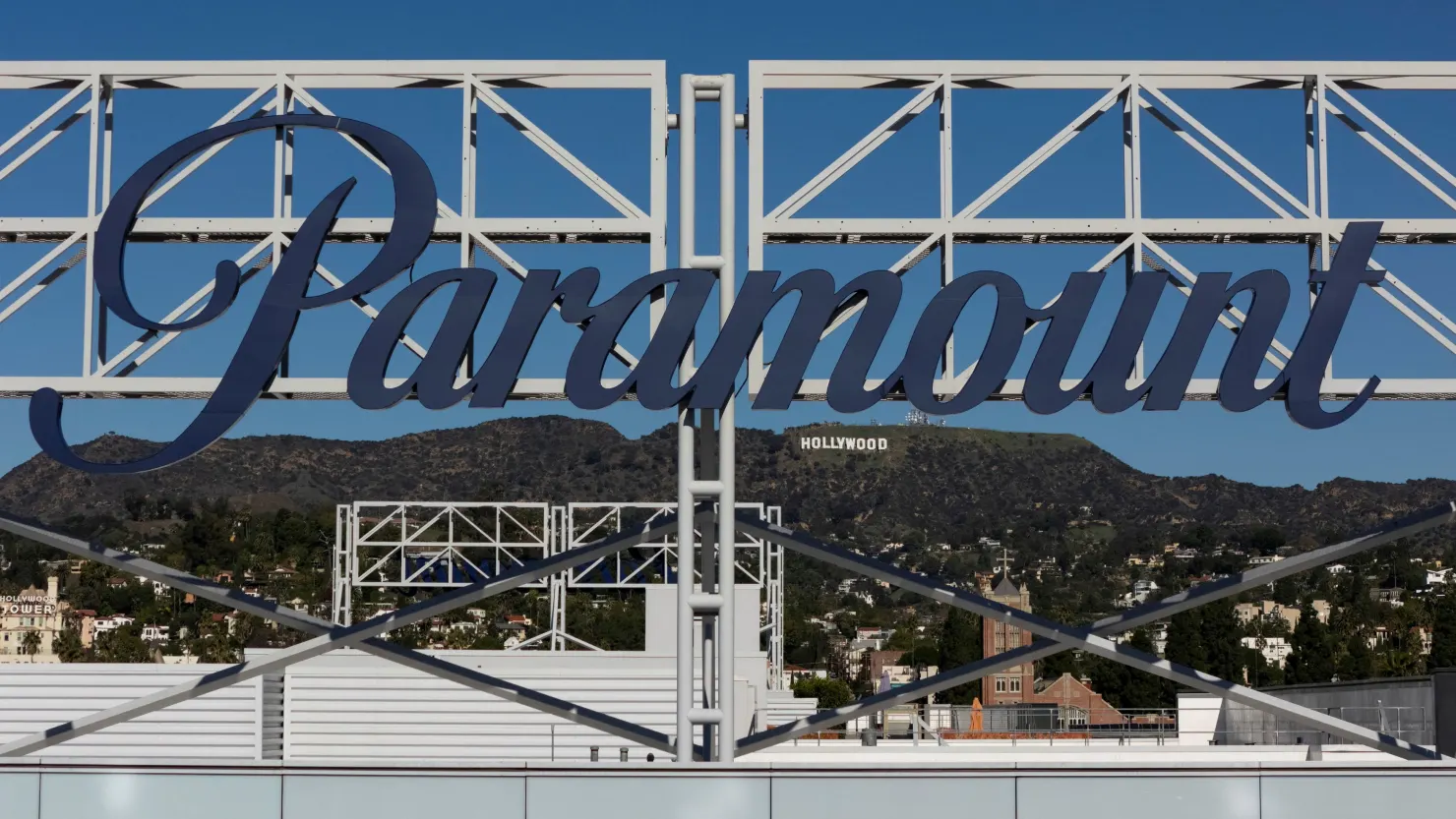
Paramount Skydance ignited fresh drama in the media industry on Monday after unveiling a hostile takeover offer for Warner Bros. Discovery (WBD), just days after Netflix revealed its own agreement to purchase the HBO parent’s key assets. The move marks an aggressive escalation in the ongoing race to consolidate streaming and studio power.
CEO David Ellison told CNBC that the company is “here to finish what we started,” as he introduced a $30-per-share, all-cash bid—significantly higher than Netflix’s mixed cash-and-stock offer valued at $27.75 per share. The proposal underscores Paramount’s determination to outmaneuver its rivals at a critical moment for the entertainment sector.
Investor reaction was swift. Paramount’s stock climbed 9% while WBD shares rose 4.4%, signaling approval from a market eager for clarity and scale in a rapidly consolidating industry.
Another development that lifted sentiment was President Donald Trump’s decision to allow Nvidia to export its advanced H200 artificial intelligence chips to “approved customers” in China and other regions. The approval comes with a major condition: the U.S. government will claim a 25% share of the revenue generated from those sales. Nvidia shares gained approximately 2% in extended trading following the announcement.
Despite these bright spots, major U.S. indexes ended Monday lower as investors turned their attention to the Federal Reserve’s final interest rate decision of the year. Market expectations, according to the CME FedWatch tool, now place nearly a 90% probability on a quarter-point rate cut. That optimism has been a major factor boosting equities in recent weeks.
Stephen Kolano, chief investment officer at Integrated Partners, noted that the market has essentially priced in the likelihood of a 25-basis-point reduction. But he also warned of steep consequences if the Fed does not deliver. He suggested that stocks could fall 2% to 3% should the central bank unexpectedly hold rates steady.
In that scenario, investors would be left waiting for next year’s Fed meetings in hopes of a more market-friendly outcome.
What to Watch Today
U.S. stocks slipped on Monday.
All major indexes closed in the red even though several large technology names—such as Broadcom, Confluent, and Oracle—posted solid gains. In Europe, the Stoxx 600 ended the day unchanged, though defense and aerospace stocks strengthened.
Paramount Skydance takes aim at Warner Bros. Discovery.
The media company issued an all-cash tender offer of $30 per share for WBD, escalating competition with Netflix, which recently moved to acquire WBD’s streaming and studio operations. The entertainment landscape is now bracing for intensified rivalry as both suitors push for greater scale.
Trump approves Nvidia’s H200 exports to China.
In a message posted on Truth Social, the president confirmed that Nvidia can proceed with sales to Chinese customers as long as the U.S. government receives a quarter of the revenue. He also said Chinese President Xi Jinping responded “positively” to the proposal.
Changes at Berkshire Hathaway.
The conglomerate is experiencing a strategic leadership shift. Todd Combs, longtime investment manager and Geico CEO, will depart for JPMorgan Chase. Berkshire will add a general counsel and a new president responsible for its consumer, service, and retail operations.
Ray Dalio’s market perspective.
The Bridgewater Associates founder told CNBC he continues to see significant opportunity in artificial intelligence—though he emphasized approaching the sector in a more nuanced and diversified manner.
And Finally…
China’s Trade Surplus Exceeds $1 Trillion Despite Global Tensions
China’s trade surplus surged past $1 trillion in November for the first time, even as the ongoing trade conflict with Washington continues to reshape export dynamics. While shipments to the U.S. have dropped sharply, China’s overall export performance remains strong.
During the first 11 months of the year, exports grew 5.4% compared with the same period in 2024, while imports declined 0.6%. Zhiwei Zhang, president and chief economist at Pinpoint Asset Management, noted that the rebound in exports will help counterbalance sluggish domestic demand. This momentum supports China’s goal of achieving “around 5%” economic growth for the year.