Andrew Ross Sorkin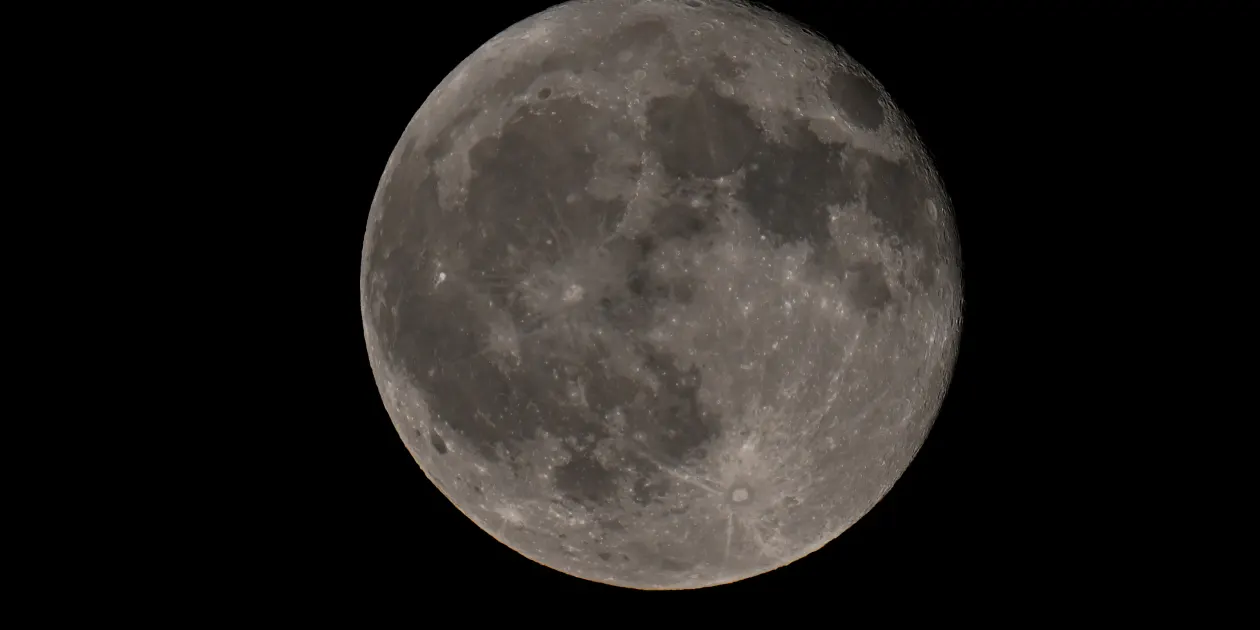
Artificial intelligence has taken another leap forward, this time contributing to a device capable of converting lunar dust into usable energy. The innovation, introduced by Blue Origin during Amazon’s re:Invent 2025 conference in Las Vegas, represents a significant step toward long-term lunar exploration. The system was developed using a core suite of technologies from Istari Digital, a fast-rising startup focused on AI-enabled engineering.
Will Roper, CEO of Istari Digital and former assistant secretary of the Air Force, described the device as a kind of lunar vacuum with an unexpected twist. Instead of merely collecting moon dust, the system extracts heat from the fine, powder-like grains and repurposes that heat as a power source. “It essentially turns moon dust into a battery,” Roper explained in an interview with CNBC’s Morgan Brennan. He likened its basic operation to a household task: “It’s kind of like vacuuming at home, except you are generating electricity as you go.”
The premise behind the technology addresses one of the most pressing obstacles in lunar operations: the two-week-long lunar night. Every 28 days, the moon enters a prolonged period of darkness during which temperatures plummet to extremes, often rendering equipment inoperable. Without a reliable and durable power source, spacecraft and robotic systems risk failure during these harsh nighttime conditions. The ability to produce energy directly from lunar material could transform mission planning, enabling spacecraft and installations to endure extended periods without sunlight.
What makes this new energy-harvesting device even more groundbreaking is that its design was created entirely by artificial intelligence. According to Roper, AI handled the end-to-end development of the moon-dust battery, demonstrating how next-generation algorithms can now achieve complex engineering tasks that traditionally require large teams of specialists.
But reaching this milestone required solving one of AI’s most persistent challenges: hallucinations. In the context of generative AI, hallucinations refer to confidently presented but incorrect or fabricated details—an unacceptable risk when creating engineering components meant to operate in extreme environments.
Roper explained that Istari’s platform tackles this issue by constraining the AI within a controlled design environment. The system begins by gathering every requirement for the part being developed, from structural standards to performance specifications. It then creates a tightly defined boundary, described by Roper as a “fence around the playground,” which the AI cannot cross during the design process. Within this enclosed design space, the AI is free to iterate, test, and refine as extensively as needed.
“The guardrails don’t guarantee that the final design is optimal,” Roper noted, “but they ensure that the design meets all necessary requirements and adheres to engineering standards. That’s essential before anything can be deployed in an operational setting.” This approach allows AI to explore inventive solutions without risking the kinds of errors that would make a design unsuitable for real-world use.
Blue Origin’s moon-dust battery is one of the largest demonstrations of Istari’s design technology to date. The collaboration not only showcases the capabilities of AI-driven engineering but also highlights the growing relationship between advanced aerospace companies and AI-first startups. As lunar exploration becomes more ambitious, technologies like these may form the backbone of future energy systems on the moon’s surface.
Istari Digital’s trajectory has been bolstered by strategic investments and partnerships. One of its most notable supporters is former Google CEO Eric Schmidt, who has long championed the integration of artificial intelligence into national defense and space innovation. The company already works closely with the U.S. government, including serving as a prime contractor with Lockheed Martin on the experimental X-56A unmanned aircraft. These partnerships illustrate the increasing trust that both public and private sectors are placing in AI-driven engineering platforms.
The broader implications of Istari’s work extend beyond powering lunar equipment. If AI can design functioning hardware for harsh and remote environments like the moon, the same approach could accelerate engineering across multiple industries—from aerospace to energy to national defense. Automated design tools capable of producing safe, high-performance systems may redefine how organizations conceive and build next-generation technologies.
As interest in lunar missions grows, energy resilience remains one of the most significant hurdles. Traditional solar systems, while effective during periods of sunlight, falter during the extreme cold and darkness of lunar nights. Fuel-based solutions present logistical challenges and add significant launch weight. A system that extracts energy from widely available moon dust could offer a self-sustaining alternative, reducing reliance on Earth-supplied materials. Such innovation supports NASA’s long-term goal of establishing a sustainable human presence on the moon and opens new possibilities for industrial activity, research facilities, and deep-space infrastructure.
The moon-dust energy device also reflects a broader shift toward AI-optimized hardware. Instead of relying solely on human engineers, companies are increasingly turning to intelligent systems capable of handling the most complex phases of design. This approach allows for accelerated development timelines, rapid prototyping, and the exploration of unconventional design paths that a human team might overlook. It could also lead to more resilient systems that evolve through iterative AI-driven testing cycles rather than traditional linear development.
Roper suggested that the future of engineering will be shaped by hybrid collaboration between human oversight and AI creativity. Humans will define the goals, constraints, and functional requirements, while AI generates the actual designs within those boundaries. This structure merges the strengths of human intuition with the computational power and speed of modern algorithms.
For Blue Origin, the unveiling of the moon-dust battery marks another step in the company’s long-term lunar strategy. With growing interest in lunar landers, cargo delivery, and surface infrastructure, having a reliable power solution could prove critical. Developing technologies that leverage the moon’s natural resources, such as regolith, aligns with the broader vision of in-situ resource utilization—an essential concept for sustaining future lunar economies.
Although the moon-dust battery is still in early stages and must undergo further testing before real-world deployment, its debut illustrates the rapid evolution of AI-designed space technologies. As companies continue exploring how artificial intelligence can enhance spacecraft systems, energy infrastructure, and mission planning, the boundaries of space innovation are likely to shift dramatically in the coming years.
AI’s role in the space sector has expanded quickly, transitioning from software-based assistance to the full design of mission-critical hardware. If the technology continues to mature, AI could soon become indispensable for engineering tasks previously considered too complex or too risky for automated systems.
The introduction of a device that transforms moon dust into energy may seem like science fiction brought to life, but it embodies a broader trend: artificial intelligence moving from abstract computations to tangible, functional technologies that reshape what is possible beyond Earth. As Blue Origin and Istari Digital push these boundaries, the industry may be witnessing the start of a new era in which AI-driven engineering becomes a cornerstone of space exploration.