Andrew Ross Sorkin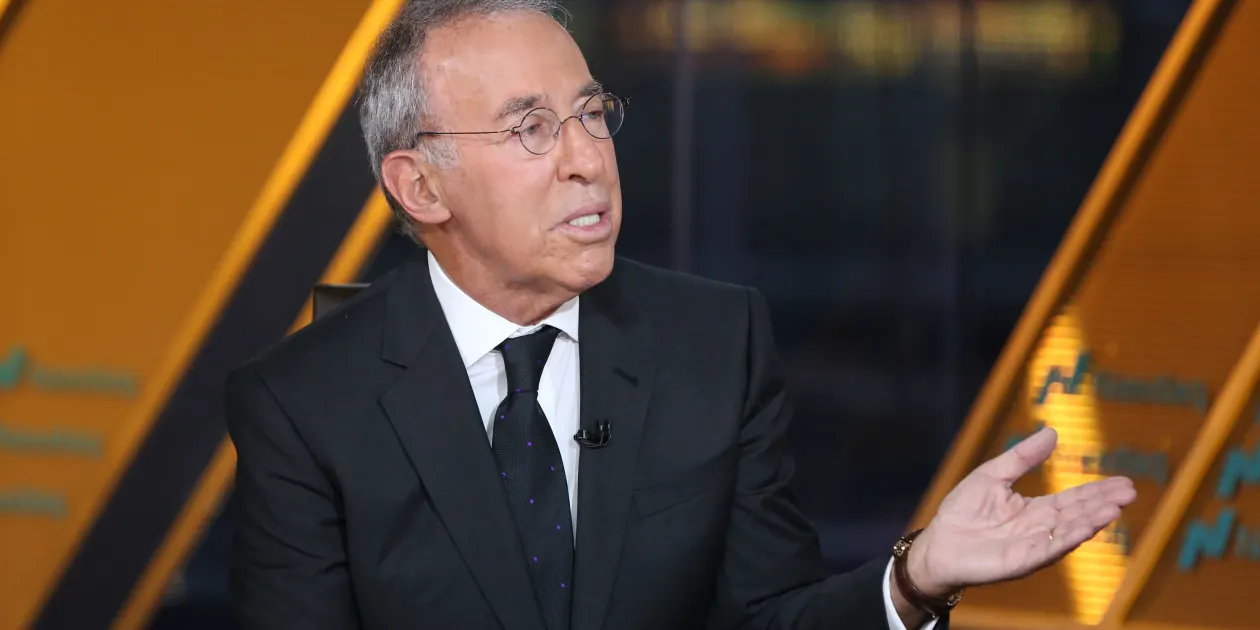

Baron Capital has expanded its footprint in the exchange-traded fund market with the launch of five actively managed ETFs, signaling confidence that its long-standing investment philosophy can attract a new generation of investors. The move reflects a broader shift in asset management, where firms known for traditional mutual funds are increasingly embracing ETFs to meet evolving investor preferences.
The newly introduced products began trading on Monday and include the Baron First Principles ETF, Baron Global Durable Advantage ETF, Baron SMID Cap ETF, Baron Financials ETF, and Baron Technology ETF. Each fund is built around investment strategies that Baron Capital has refined over decades through its mutual funds and private investment vehicles. Rather than adopting a passive, index-tracking approach, these ETFs aim to replicate the firm’s active, research-driven style within a more flexible and accessible structure.
Ron Baron, the founder, chief executive officer, and chairman of Baron Capital, emphasized that the firm’s decision to enter the active ETF space is grounded in its long-term track record. Over the years, Baron Capital has become known for taking early, high-conviction positions in companies it believes have strong growth potential over extended periods. Among its most notable investments is SpaceX, which Baron described as the firm’s single largest holding, now valued at approximately $10 billion.
According to Baron, SpaceX has surpassed Tesla in terms of its weight within the firm’s portfolio. He pointed to the rapid expansion of SpaceX’s Starlink satellite network as a central pillar of its long-term value proposition. Starlink’s growing constellation of satellites is designed to provide global broadband coverage, particularly in underserved or remote regions, and Baron believes this infrastructure could support a wide range of future technologies.
Beyond satellite internet, Baron expressed optimism about the concept of space-based data centers. He argued that placing computing infrastructure in orbit could dramatically lower certain operating expenses, particularly those related to cooling. In traditional data centers, cooling systems consume large amounts of energy to manage the heat generated by servers. In space, Baron suggested, the natural environment could eliminate or significantly reduce those costs, improving efficiency over the long term.
Baron Capital’s interest in space-related innovation extends beyond SpaceX. The firm has also invested in xAI, another company founded by Elon Musk. Baron believes that as satellite networks expand and computing capabilities evolve, companies like xAI could leverage this infrastructure to deliver advanced artificial intelligence services. He suggested that the combination of global connectivity and powerful computing platforms could enable AI products that are faster, more scalable, and more capable than current offerings.
The launch of these ETFs is also a strategic response to changing investor demand. While mutual funds have long been a core part of Baron Capital’s business, ETFs offer intraday trading, greater transparency, and often lower barriers to entry for individual investors. By packaging its active strategies into ETFs, Baron Capital aims to broaden its reach without compromising the disciplined approach that has defined the firm for decades.
Baron highlighted the firm’s historical performance as evidence that its active management style can succeed in an ETF format. He stated that approximately 98 percent of the firm’s assets have outperformed their respective benchmarks over time, with around 60 percent ranking in the top 5 percent of comparable funds. One standout example is the Baron Partners Fund, which he noted has been the top-performing U.S. fund since 2003, underscoring the firm’s ability to generate sustained results across market cycles.
From a business perspective, Baron Capital’s growth has been substantial. The firm began operations in 1992 with roughly $100 million in assets under management. Since then, it has generated an estimated $57 billion in profits. Baron said the company’s ambition is far from exhausted, with a goal of producing roughly five times that amount in profits over the next ten years.
The introduction of these five ETFs marks a significant milestone for Baron Capital as it adapts its traditional strengths to a rapidly changing investment landscape. By combining long-term, high-conviction investing with the flexibility of the ETF structure, the firm is betting that investors will continue to seek active strategies, particularly those with a proven history of identifying transformative companies early. As interest in technology, space, and artificial intelligence continues to grow, Baron Capital is positioning itself to remain a prominent player in shaping how these themes are accessed in public markets.