Andrew Ross Sorkin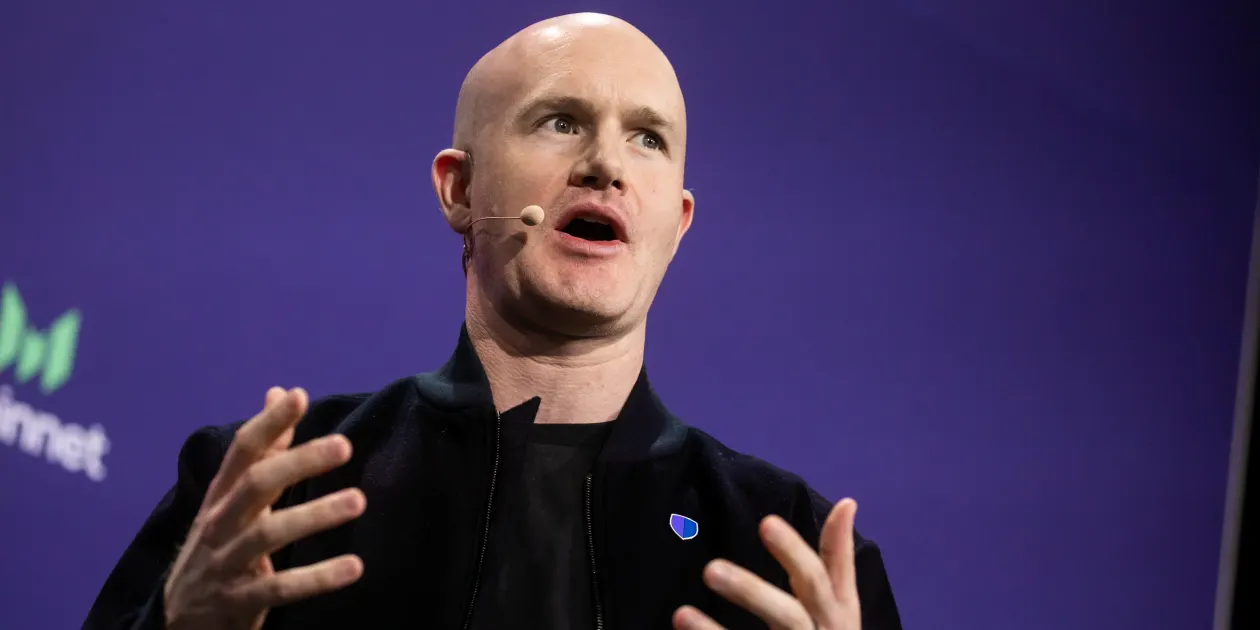
Coinbase is undertaking its most ambitious transformation to date, aiming to evolve from a crypto-focused exchange into a comprehensive trading and financial platform. The company is signaling that it no longer wants to be seen as a niche player tied only to digital assets, but rather as a mainstream destination for everyday investing, especially as rivals demonstrate the profitability of platforms built around constant user engagement.
On Wednesday, the digital asset giant unveiled a broad lineup of new products intended to turn Coinbase into a single, all-in-one financial app. The expansion includes access to stocks, more sophisticated trading tools, and prediction markets, alongside a renewed emphasis on its on-chain ecosystem and new services for businesses, developers, and automated financial guidance. According to Coinbase, many of these initiatives have been in development for months, but they are now complete and ready to launch.
Chief executive Brian Armstrong has been clear about the company’s ambition: he wants Coinbase to be the platform where users trade everything. That vision spans traditional equities, a simplified experience for futures and perpetual contracts, and prediction markets powered through a partnership with Kalshi. At the same time, Coinbase is laying the groundwork for a longer-term tokenization strategy that could eventually move more traditional assets, including stocks, onto blockchain infrastructure.
Prediction markets, in particular, are rapidly becoming one of the most competitive corners of financial technology. Major players are rushing in from different angles. DraftKings has moved to acquire its own exchange, FanDuel is collaborating with CME, and Polymarket is entering the U.S. market through a newly approved venue. Robinhood, meanwhile, is building its regulated strategy around LedgerX. At the heart of the space is a clear rivalry: Kalshi’s regulated approach versus Polymarket’s crypto-native liquidity model.
Armstrong argues that the appeal of prediction markets goes far beyond speculation. In his view, their real value lies in what they reveal about collective expectations. He has said that when people look at areas like economic data or elections, prediction markets help them understand what participants believe is likely to happen next. Only a small fraction of users treat these markets purely as a tradable asset, while the vast majority see them as a tool for insight, almost competing with traditional media or even serving as a form of entertainment.
Armstrong illustrated the quirks of these markets during Coinbase’s third-quarter earnings call in October, when he joked about how easily wagers can be influenced. He noted that he was following bets on what Coinbase might mention during the call itself, and deliberately listed buzzwords like bitcoin, ethereum, blockchain, staking, and Web3 to make sure they appeared before the call ended.
Robinhood has reinforced the momentum behind this category by expanding prediction markets into sports-style contracts that resemble parlays and proposition bets. The company has described prediction markets as its fastest-growing revenue stream, underscoring how quickly outcome-based trading is gaining traction with retail users.
Coinbase is now moving to integrate similar forms of outcome trading into its own platform, but as part of a much broader strategy. The company is betting that the next generation of brokerage services will live inside a single app that blends traditional assets, derivatives, and blockchain-based infrastructure.
Alongside its trading expansion, Coinbase is outlining a clear roadmap for tokenization. This includes the launch of Coinbase Tokenize, an institutional-grade suite designed to support the tokenization of real-world assets. The message is that today’s stock trading features are only a stepping stone toward a future where equities themselves exist natively on-chain.
Armstrong has framed this shift as a bridge to something far more transformative. He has described stock trading as a logical starting point, but emphasized that the ultimate objective is tokenized equities. If Coinbase succeeds in bringing equity tokenization to market, he believes it could dramatically broaden global access to investing and reshape U.S. market structure, including the development of deeper, more professional futures markets tied to stocks.
Beyond retail trading, the announcement also advances Coinbase’s push to become a major provider of on-chain liquidity and infrastructure. For businesses and developers, the company is expanding its platform well beyond consumer-facing products. Coinbase Business is being rolled out to eligible customers in the United States and Singapore, and the firm is introducing a more robust set of APIs covering custody, payments, trading, and stablecoins.
At the core of Armstrong’s strategy is a belief that crypto is not a standalone category, but rather a fundamental upgrade to the financial system. He has argued that all financial services are gradually being modernized through blockchain technology, and that over time, every major asset class will migrate on-chain. That progression, in his view, will move from prediction markets and equities to commodities, and eventually to real-world assets such as real estate.
Armstrong has also noted that even the world’s largest asset managers are beginning to signal interest in moving funds onto blockchain rails, positioning Coinbase as a central hub for that transition. To support this, the company is introducing custom stablecoins for businesses that want branded digital currency solutions, and highlighting x402, a payments standard designed to make stablecoin transactions easier to integrate into web requests, including automated and agent-driven commerce.
The common thread running through all of these initiatives is retention and diversification. Coinbase already commands a sizable crypto-native user base, but its long-term goal is to keep those customers engaged across every asset class. By expanding beyond crypto alone, the company hopes to smooth out revenue swings during periods when digital asset trading volumes decline, and to establish itself as a permanent fixture in the broader retail investing landscape.