Andrew Ross Sorkin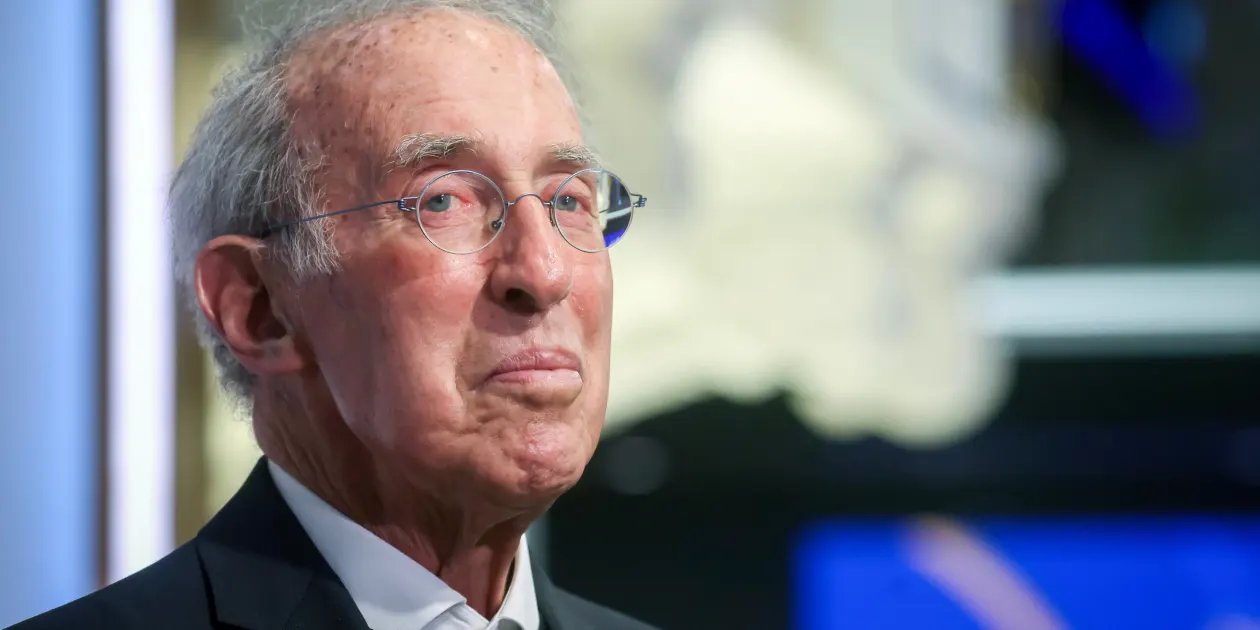
As much of the investment world in 2025 continues to chase artificial intelligence themes and mega-cap technology stocks, billionaire investor Ron Baron is urging market participants to widen their perspective. Speaking this week on CNBC’s ETF Edge, the founder and CEO of Baron Capital said some of the most compelling opportunities may lie outside the most crowded trades, across different market capitalizations and sectors that are currently receiving less attention.
That shift, Baron noted, is already beginning. After years of heavy inflows into technology stocks, many investors are starting to rotate toward areas of the market that appear undervalued. The financial sector, in particular, is drawing renewed interest. Baron highlighted two companies in this space that his firm owns, MSCI and FactSet, which he believes remain overlooked by many individual investors despite strong long-term potential. In his view, the leadership at both firms plays a critical role in supporting confidence about their future growth.
Baron appeared on ETF Edge to discuss Baron Capital’s entry into the exchange-traded fund market. The firm recently launched its first ETFs after spending decades focused on mutual funds and other investment vehicles. Over the past forty years, those strategies have generated an estimated 57 billion dollars in profits for Baron Capital investors. Looking ahead, Baron said he expects another 250 billion dollars in gains over the next decade. A central theme of the discussion was his ongoing search for high-quality companies that the broader market has largely ignored.
“There are so many companies that are interesting right now with everyone focusing on technology,” Baron said, emphasizing that investors risk missing long-term opportunities by concentrating too narrowly on a single theme.
One of the companies he pointed to was MSCI, a firm best known for its global stock indexes. These benchmarks are widely used by asset managers, pension funds, and ETF providers around the world. Trillions of dollars in assets are allocated based on MSCI indexes, covering developed markets, emerging markets, and environmental, social, and governance strategies. Beyond index construction, MSCI also offers analytics and risk management tools that are deeply integrated into institutional investment processes.
MSCI became a public company in 2007, when it was spun out of Morgan Stanley and priced its initial public offering at 18 dollars per share. The stock initially rose, only to fall sharply during the global financial crisis. Baron said that period did not deter him. Instead, he continued to build his position while markets were under stress.
Despite its dominant role in the investment ecosystem, MSCI has not fully participated in the most recent bull market. Over the past year, the stock has declined by nearly 8 percent and was trading around 563 dollars on Thursday. Baron sees that underperformance as an opportunity rather than a warning sign.
He explained that he has owned MSCI shares since the company first went public and has invested alongside its founder and chairman, Henry Fernandez. Fernandez’s personal journey, Baron said, is one of the reasons he remains confident. Fernandez fled Nicaragua during a coup, arrived in the United States with no money, and ultimately built MSCI into a global powerhouse while it was still part of Morgan Stanley.
Since the IPO, Baron said, he has consistently added to his holdings. He also noted that Fernandez has continued to buy shares personally over the years. “I’m trying to keep up with him,” Baron said, underscoring the alignment he sees between management and long-term shareholders.
FactSet represents an even more dramatic case of recent underperformance. The stock is down nearly 40 percent this year following disappointing earnings results and a weaker profit outlook. While many investors have turned away, Baron believes the decline reflects short-term challenges rather than a fundamental deterioration of the business.
FactSet provides financial data, analytics, and research tools used by investment professionals around the world. In September, the company appointed Sanoke Viswanathan as its new chief executive officer, a move Baron considers a major positive. He said the change in leadership is a key reason for his optimistic outlook.
Baron first invested in FactSet years ago when he was looking for a business similar to Bloomberg, which remains privately held and unavailable to public investors. Today, he sees additional appeal in FactSet’s new leadership, even going so far as to compare Viswanathan to JPMorgan Chase CEO Jamie Dimon.
As with MSCI, Baron emphasized the importance of the CEO’s personal story. Viswanathan grew up in poverty on a farm in India, went on to attend top engineering institutions, and later worked at McKinsey. At just 33 years old, he advised U.S. government officials during the financial crisis. He eventually joined JPMorgan, where he became one of the senior executives on Dimon’s leadership team.
According to Baron, Viswanathan was widely viewed as a potential successor to Dimon. When it became clear that he would not take over the top role at JPMorgan, Viswanathan chose instead to accept the CEO position at FactSet. Baron believes that decision represents a significant win for the company.
He described FactSet as a business with opportunities similar to Bloomberg, but earlier in its growth trajectory. Placing a leader like Viswanathan at the helm, Baron said, is akin to putting someone like Jamie Dimon in charge of a promising company in his early fifties. In Baron’s view, that combination of strong assets and exceptional leadership can create substantial long-term value.
Ultimately, Baron said his investment philosophy comes down to identifying both great businesses and the right people to run them. When those elements align, he believes investors should be willing to act even when the market is focused elsewhere.
“You find companies like this, you find people like this to run these businesses, and you say, ‘I have to invest with this person,’” Baron said.