Andrew Ross Sorkin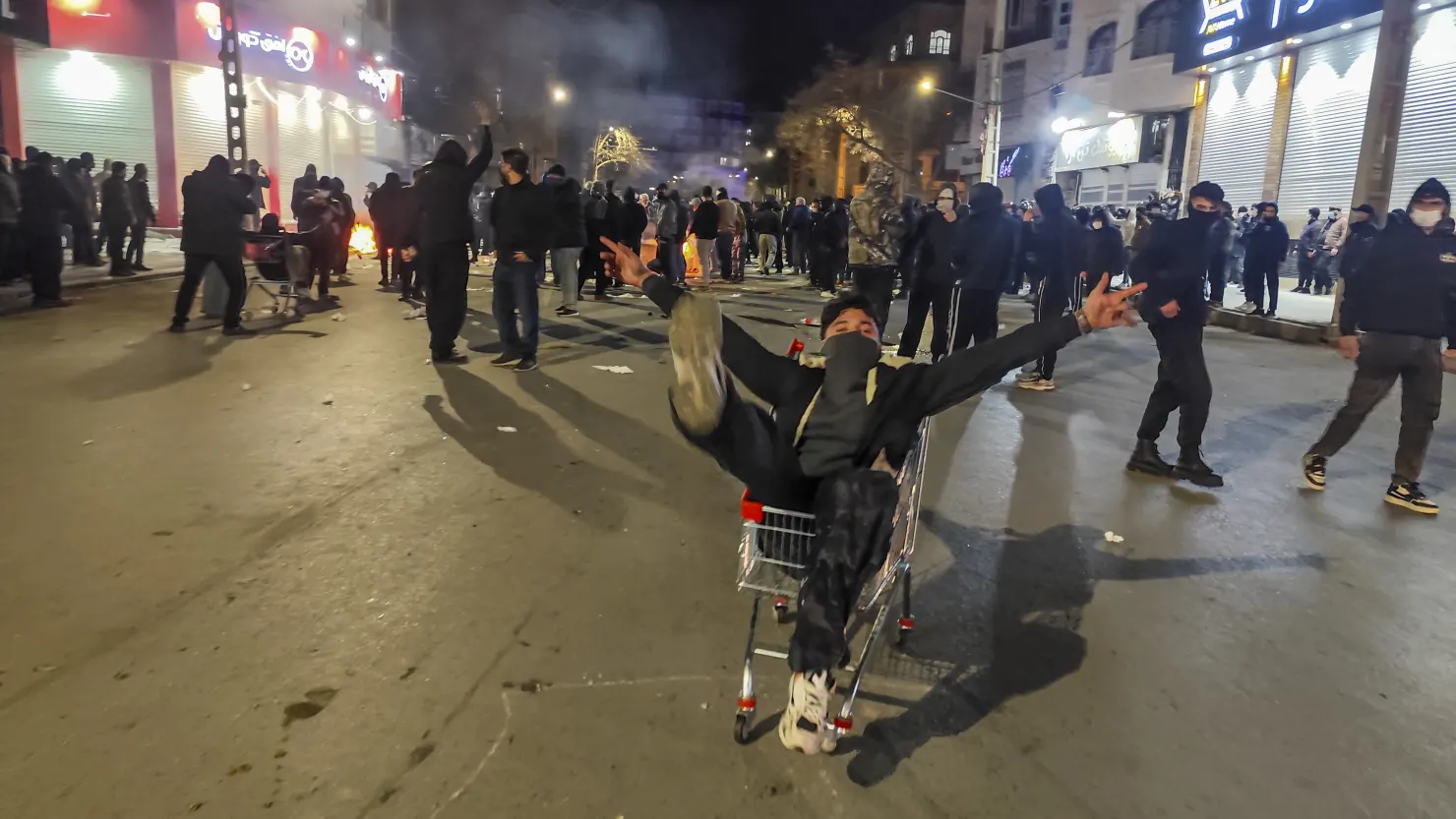
Iran temporarily shut down large parts of its airspace late Wednesday, restricting most incoming and outgoing flights as tensions with the United States intensified. The move was disclosed through a notice released by the U.S. Federal Aviation Administration, highlighting growing concerns over regional security and aviation safety.
According to the notice, the initial restriction was set to take effect from 10:15 p.m. UTC on Wednesday until 12:30 a.m. UTC on Thursday. However, the closure was later extended, with additional limits enforced from 1:14 a.m. to 3:30 a.m. UTC. During this period, airlines were advised to avoid Iranian airspace unless specific exemptions applied.
Flight tracking data from FlightRadar showed clear evidence of the disruption. As of early Thursday morning Eastern Time, multiple commercial aircraft were observed altering their routes to bypass Iranian airspace entirely, opting for longer paths around the country to ensure safety and compliance with aviation advisories.
Despite the broad restrictions, Iran allowed certain international flights to continue operating to and from Tehran. These flights were permitted only if they had received advance authorization from Iran’s civil aviation authority, indicating that the closure was not absolute but tightly controlled.
The temporary airspace shutdown followed a sharp rise in political tensions after U.S. President Donald Trump issued warnings suggesting possible intervention in Iran. His comments came in response to reports of a deadly crackdown on anti-government protests within the country, which drew widespread international attention and condemnation.
Later the same day, President Trump appeared to moderate his stance. Speaking at the White House on Wednesday night, he stated that he had received assurances that the killings of protesters had ceased. He added that the United States would monitor the situation closely, saying he would “watch it and see” before deciding on any potential military response.
Meanwhile, the United States has taken precautionary measures in the region. Some American personnel have been withdrawn from U.S. military bases across the Middle East after Iranian officials reportedly threatened to target those installations if Washington were to initiate an attack. These developments have further heightened concerns about regional stability and the safety of international travel.
Airlines around the world have already begun adjusting their operations in response to the situation. Several carriers have canceled or rerouted flights to Tehran in recent days. IndiGo, India’s largest airline, announced on Thursday that a number of its international routes would be affected due to the closure of Iranian airspace.
European carriers have also responded cautiously. Earlier this week, Germany issued a warning advising its airlines to avoid flying through Iranian airspace. Following that guidance, the Lufthansa Group confirmed on Wednesday that it would avoid both Iranian and Iraqi airspace until further notice, resulting in flight cancellations and longer rerouted journeys.
The United States has gone a step further by banning all American commercial aircraft from overflying Iran. Other major international airlines, including Emirates, Qatar Airways, and Turkish Airlines, have also suspended or canceled multiple flights to Iran over the past week as the security situation continues to evolve.
As geopolitical tensions remain unresolved, aviation authorities and airlines are expected to maintain heightened vigilance. The situation underscores how quickly political conflicts can disrupt global air travel, forcing airlines to balance operational efficiency with passenger safety in an increasingly uncertain environment.