Andrew Ross Sorkin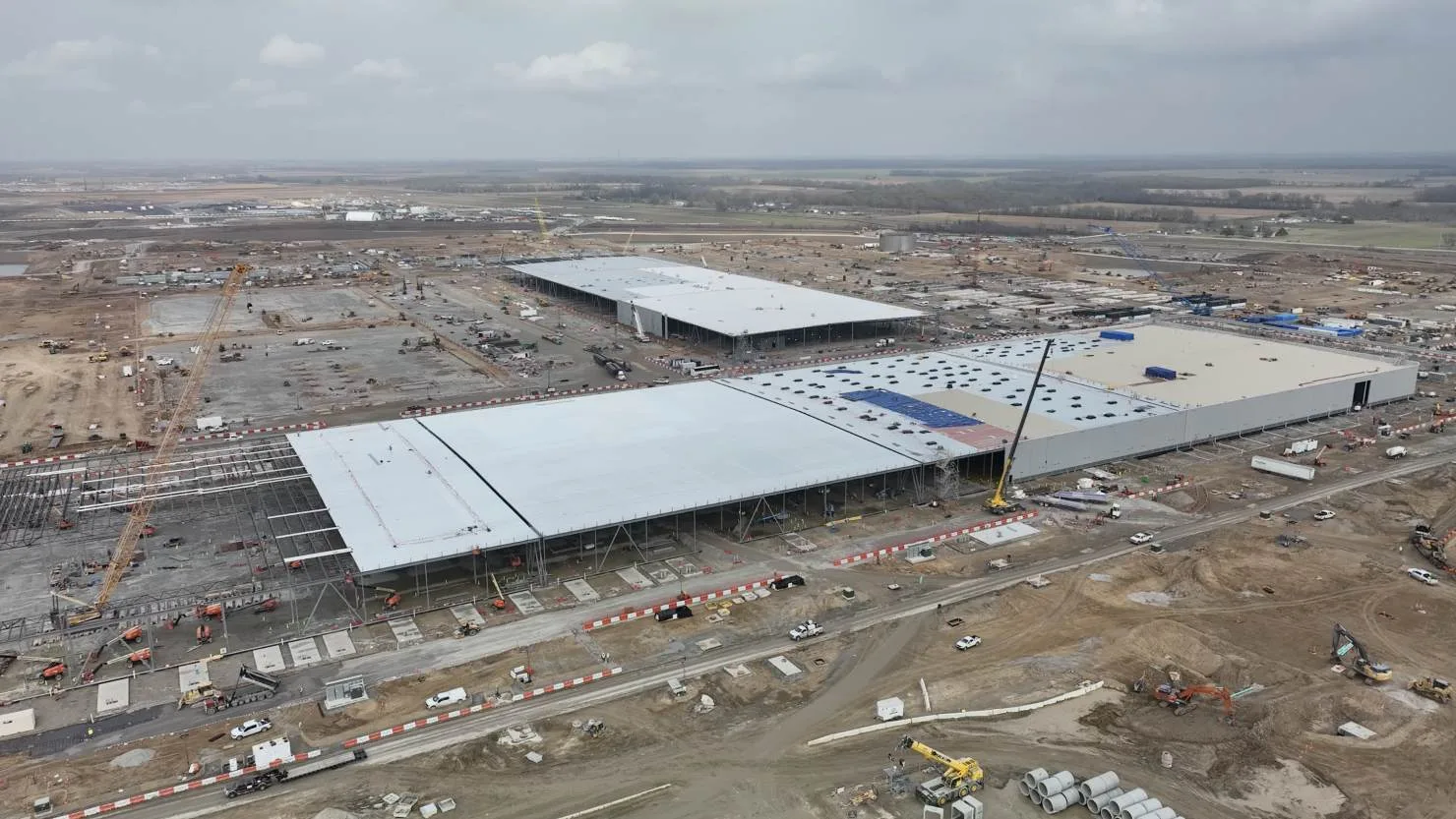
For much of the past year, artificial intelligence has been widely portrayed as the force single-handedly propping up the U.S. economy. Yet recent research suggests that this popular storyline may exaggerate AI’s true role in driving economic growth.
There is no doubt that the surge in AI investment has reshaped financial markets. Stock valuations have been influenced by expectations around AI, capital spending has surged, and companies have issued record amounts of bonds to fund data centers and related infrastructure. These developments also left a visible mark on U.S. gross domestic product, particularly in the early part of 2025. As a result, many economists and investors began to argue that without AI spending, the domestic economy would have struggled to grow at all.
However, a report released in January by MRB Partners’ U.S. economic strategist Prajakta Bhide paints a more nuanced picture. According to her analysis, consumer spending was the single most important contributor to U.S. GDP growth last year, which is consistent with most periods of economic expansion. Investment tied to artificial intelligence ranked second, but it was far from being the sole engine of growth.
Bhide emphasized that while AI has clearly supported economic momentum, it has not replaced the central role of the American consumer. She pushed back against the idea that GDP growth would have collapsed without AI-related capital expenditures, noting that this interpretation does not align with the data. In her view, household consumption remains the backbone of the U.S. expansion.
One key reason AI’s contribution appears smaller than many expect lies in how GDP is calculated. A significant share of high-tech equipment used for AI, including advanced hardware, is imported. Since GDP measures domestic production, imports are excluded from the calculation. GDP is made up of four main components: consumption, investment, government spending, and net exports. As a result, the headline impact of AI investment can be misleading if imports are not properly accounted for.
Bhide’s research shows that without adjusting for imports, AI-related investment appeared to add roughly 0.9 percentage points to real GDP growth on average between the first and third quarters of 2025. That figure represents just under 40 percent of total real GDP growth during that period. Once imports of computers, peripherals, semiconductors, and telecommunications equipment are factored in, the net contribution falls significantly. After adjustment, AI-related investments contributed closer to 0.4 to 0.5 percentage points, or about 20 to 25 percent of real GDP growth.
Despite frequent headlines about massive data center construction, Bhide found that the most meaningful AI-related contributions to GDP in 2025 came from spending on software and computing equipment, rather than physical infrastructure alone.
In her January report, Bhide argued that a more realistic assessment of AI’s economic impact helps correct exaggerated narratives. While a sharp decline in optimism around artificial intelligence could pose risks to growth, adjusting for imports shows that the economy is not as dependent on AI as many believe. Even without an AI boom, overall GDP growth would likely have remained solid, supported by strong consumer spending. In that scenario, lower investment would have been accompanied by fewer imports, leaving real growth still above 1.5 percent.
Other market analysts have reached similar conclusions. In December, Bespoke Investment Group challenged the idea that AI was dominating GDP growth, noting that unusual data in early 2025 helped inflate perceptions of AI’s economic importance. The firm found that in the second and third quarters of the year, spending categories linked to artificial intelligence accounted for only about 15 percent of quarterly GDP growth. Their share of total GDP remained below 5 percent.
The full picture of U.S. economic performance in 2025 is still emerging, as final annual GDP revisions have yet to be released. Quarterly data, however, reveal a mixed year shaped by strong AI investment, resilient consumer demand, and headwinds such as shifting U.S. tariff policies. Real GDP grew at an annualized rate of 4.3 percent in the third quarter, far exceeding expectations. Growth in the second quarter reached 3.3 percent, also stronger than initially estimated. By contrast, the first quarter saw GDP contract at a 0.3 percent annualized rate, marking the first quarterly decline since early 2022.
Looking ahead, Bhide’s analysis reinforces the importance of consumer spending as a pillar of economic resilience. She expects household consumption to remain relatively strong in 2026, even as income growth slows and wealth becomes increasingly concentrated among higher earners.
Fiscal support, she noted, is likely to help offset weaker income gains at the aggregate level. In her assessment, the overall financial position of U.S. consumers remains healthy. She also dismissed concerns that consumption is becoming overly dependent on wealthy households, arguing that there is limited evidence to suggest this dynamic poses a significant cyclical risk.
Beyond consumer demand, Bhide expects economic growth in the coming year to benefit from continued AI investment, potential interest rate cuts by the Federal Reserve, and a stabilization in the unemployment rate. She is closely monitoring productivity trends and the pace of job creation, both of which will play a key role in shaping the next phase of the U.S. economic cycle.