Andrew Ross Sorkin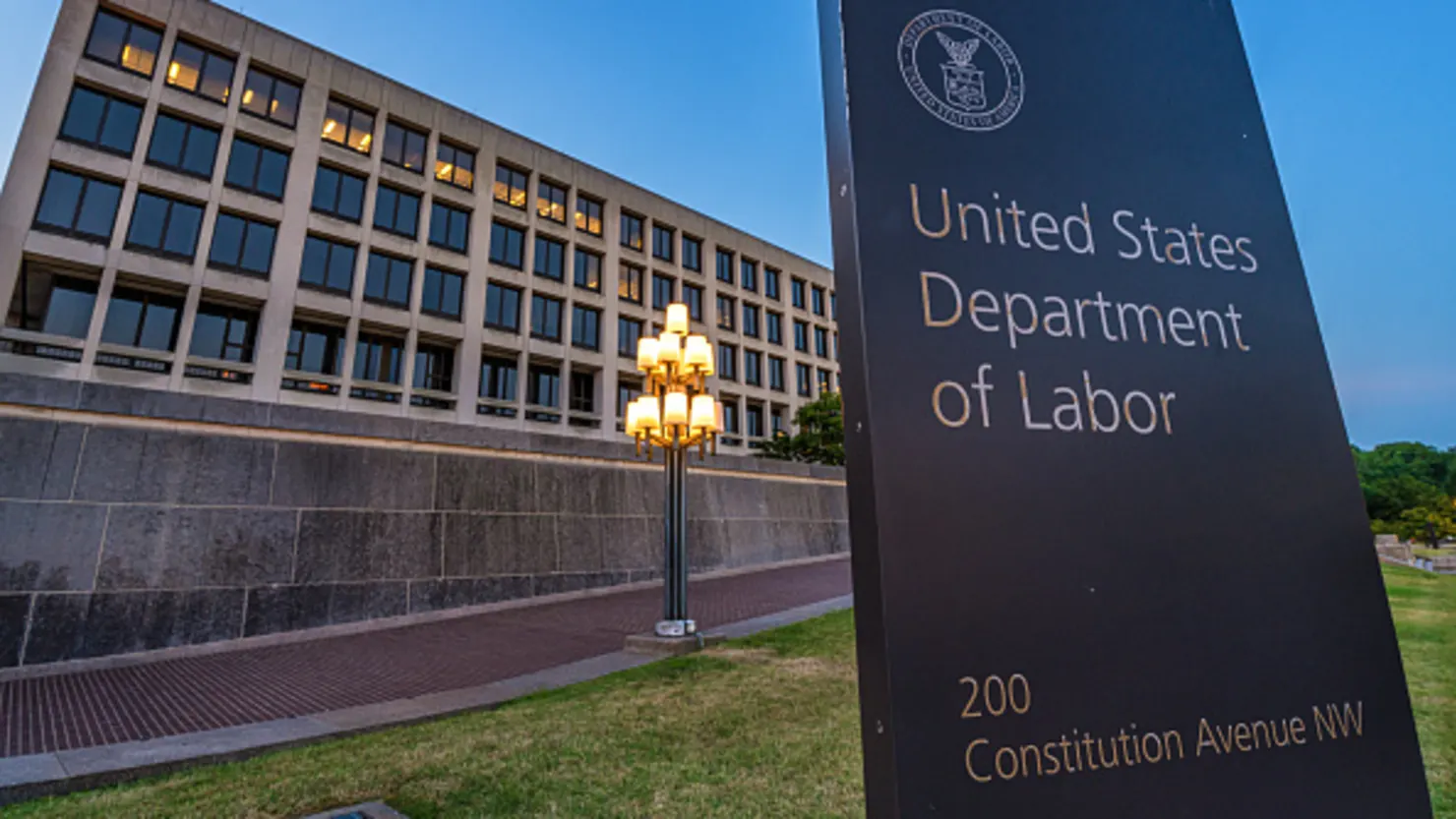
The U.S. Bureau of Labor Statistics (BLS) will not publish the January jobs report on its originally scheduled release date of Friday, a department spokesperson confirmed on Monday, citing the ongoing partial government shutdown.
In an official statement, Emily Liddel, associate commissioner of the BLS, said that the Employment Situation report for January 2026 would be postponed until federal funding is restored. No new release date has been set, and the timing will depend on when the government resumes normal operations.
This is not the first time the agency has faced such disruptions. Following last year’s record-long shutdown, which extended into early November, the BLS had to delay several of its regular data releases and spent months working to catch up on its reporting schedule. In addition to employment figures, the bureau is responsible for publishing key economic indicators such as the Consumer Price Index, import and export statistics, and various labor and consumer data reports.
At this stage, it remains unclear whether the U.S. Department of Commerce will also experience delays in releasing its own economic data as a result of the funding impasse in Washington.
The postponement comes during what was expected to be a particularly busy week for economic indicators. The highlight would have been the nonfarm payrolls report, commonly referred to as the unemployment situation report. This release typically includes two main components: a survey of businesses that tracks the number of new hires and layoffs, and a separate household survey that estimates how many people are currently employed, which is used to calculate the national unemployment rate.
Prior to the delay, economists had anticipated that the report would show an increase of approximately 55,000 jobs in January, with the unemployment rate remaining steady at 4.4 percent.
Beyond the payroll figures, the BLS had also been scheduled to release the Job Openings and Labor Turnover Survey on Tuesday, a closely watched report that provides insight into hiring trends, resignations, and workforce mobility across different industries.
The latest shutdown began on Saturday after lawmakers failed to pass a new federal spending agreement before the deadline. One of the main points of disagreement in the negotiations has been funding for the Department of Homeland Security, particularly in relation to policies aimed at controlling illegal immigration.
House Speaker Mike Johnson of Louisiana said over the weekend that he believes a resolution could be reached as early as Tuesday, but until a deal is finalized, many government agencies — including the BLS — will remain limited in their ability to operate and publish data.