Andrew Ross Sorkin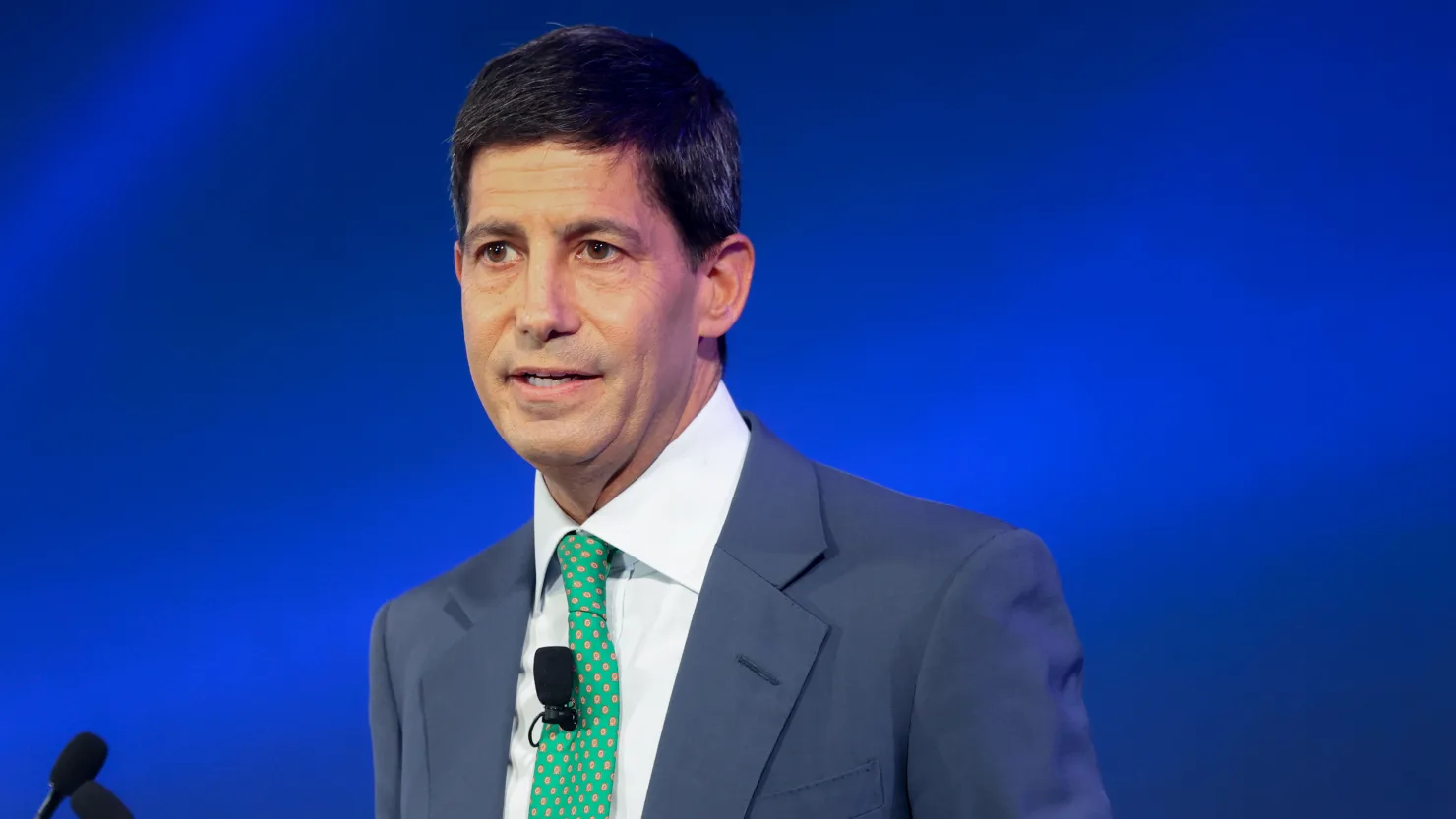
When Kevin Warsh first joined the Federal Reserve, the central bank was on the brink of a historic crisis and would soon be called upon to prevent a global economic collapse. Now, years later, he is poised to return under vastly different conditions — this time tapped by a highly unpredictable president whose expectations of the Fed are likely to be intense, but of a very different nature.
Warsh is no stranger to the Fed. He served on its Board of Governors from 2006 to 2011, a period that spanned the build-up to the global financial crisis and the emergency measures that followed. Appointed by President George W. Bush, he was among the youngest officials ever to hold that position.
During his tenure, Warsh was deeply involved in crafting and implementing emergency lending facilities designed to stabilize frozen credit markets. He also contributed to the development of broader rescue efforts aimed at preventing a deeper economic downturn. One of the most significant initiatives of that era, later known as the Troubled Asset Relief Program, was largely designed at the Treasury Department under Neel Kashkari, now president of the Minneapolis Fed.
Yet despite his role in crisis management, Warsh later became a prominent critic of the Fed’s post-crisis strategy.
He argued that prolonged near-zero interest rates and massive bond-buying programs risked distorting financial markets and weakening long-term price stability. While he supported early interventions, he opposed the second round of quantitative easing, breaking from the majority of his colleagues.
In the years since, Warsh has continued to caution that the Fed may have gone too far in its monetary stimulus, potentially laying the groundwork for future instability. In this sense, President Donald Trump’s decision to nominate him suggests a pick who may resist political pressure even more firmly than current Chair Jerome Powell.
Announcing the nomination on Truth Social, Trump highlighted Warsh’s credentials and experience, calling him “central casting” and praising his reliability. Warsh currently holds a visiting fellowship at Stanford University.
A Stanford graduate who earned his law degree at Harvard, Warsh also has ties to the Lauder cosmetics family through marriage. Before joining the Fed, he worked at Morgan Stanley and served in the Bush White House as a special assistant for economic policy.
While presenting himself as a defender of central bank independence, Warsh has been outspoken about what he sees as mission creep at the Fed. In a CNBC interview last year, he argued that the institution needed a fundamental shift in direction.
He was also sharply critical of current leadership, saying that the Fed’s credibility problem lies with its current officials. Such views could place him at odds with a committee that traditionally values consensus.
Powell has largely managed to maintain unity within the Federal Open Market Committee, but that cohesion has weakened recently, with dissent appearing more frequently at policy meetings.
If confirmed, Warsh would represent a clear philosophical departure from Powell’s pragmatic, consensus-driven style, potentially signaling a tougher stance on inflation and balance sheet expansion. He would replace Stephen Miran, whose term is set to expire.
Miran publicly endorsed the nomination, describing Warsh as an innovative thinker with valuable insights into monetary policy.
However, Warsh’s ability to shape policy may be more constrained than Trump expects. Several voting members of the FOMC have signaled reluctance to cut rates further without clearer evidence that inflation is firmly moving toward the Fed’s 2 percent target.
In December, most Fed officials projected only one additional rate cut in 2026 and another in 2027, a view broadly aligned with market expectations.
Still, as chair, Warsh would hold significant influence and could gradually steer the committee toward a slightly more accommodative stance.
Analysts suggest that despite his hawkish reputation, Warsh is fundamentally pragmatic rather than ideological, which could make him more effective at persuading colleagues to support additional rate cuts.
Some believe he would align closely with the administration’s argument that strong productivity growth could justify lower or neutral interest rates even amid solid economic performance.
At the same time, many FOMC members are likely to remain data-driven, relying on traditional economic models that Warsh has previously criticized.
Warsh emerged from a crowded field of 11 potential nominees that included former and current Fed officials, prominent economists, and Wall Street executives such as BlackRock’s Rick Rieder. The list was gradually narrowed before Warsh ultimately won Trump’s backing.
Trump has made clear that his top priority is a Fed chair willing to lower rates aggressively, both to support the struggling housing market and reduce financing costs for the nation’s $37 trillion debt.
Before taking office, however, Warsh must first be confirmed by the Senate — a process that could be complicated by ongoing political tensions.
The Justice Department has been investigating renovation costs at the Fed’s Washington headquarters and has subpoenaed Powell for documents. Republican Senator Thom Tillis has vowed to block any Trump Fed nominees until the matter is resolved.
If that hurdle is cleared, Warsh would face a Senate where Republicans still hold a majority.
Despite the political drama, many analysts expect his nomination to receive broad bipartisan support, making his confirmation relatively smooth compared with more controversial picks.